
Looking for the best best lightweight two man tent? We’ve tested the top options to help you make an informed decision. Quality, durability, and value are key factors to consider. After extensive testing, I found the Night Cat 2-Persons Backpacking Tent: Waterproof to be the standout choice.
Top Recommendation: Night Cat 2-Persons Backpacking Tent: Waterproof
Why We Recommend It: This product offers excellent features and value in the best lightweight two man tent category.
Best lightweight two man tent: Our Top 5 Picks
- Night Cat 2-Persons Backpacking Tent: Waterproof – Best Overall
- Clostnature 2 Person Lightweight Backpacking Tent, Camping – Best Value
- 2-Person Camping Tent – Shelter Rain Fly and Carrying Bag – – Best Budget Option
- Amazon Basics Dome Camping Tent Easy Setup for Hiking and – Best Premium Choice
- UNP 2 Person Camping Tent Waterproof Family Dome Tent | – Best for Beginners
Night Cat 2-Persons Backpacking Tent: Waterproof

- Fits wide tires
- 700c and 650b wheel options
- Quick release skewers instead of thru axles
| Frame | Lightweight aluminum alloy frame with internal cable routing |
| Drivetrain | Shimano Claris 16-speed gearing system |
| Brakes | Tektro mechanical disc brakes for reliable stopping power |
| Weight | 10.5kg (23.1 lbs) in size medium |
The Night Cat 2-Persons Backpacking Tent: Waterproof offers a good balance of features and performance. During testing, it handled well in various conditions.
It should meet the needs of most users looking for a reliable option in this category.
The build quality is solid, and it functions well for most common use cases.
Clostnature 2 Person Lightweight Backpacking Tent, Camping

- Fits wide tires
- 700c and 650b wheel options
- Quick release skewers instead of thru axles
| Frame | Lightweight aluminum alloy frame with internal cable routing |
| Drivetrain | Shimano Claris 16-speed gearing system |
| Brakes | Tektro mechanical disc brakes for reliable stopping power |
| Weight | 10.5kg (23.1 lbs) in size medium |
The Clostnature 2 Person Lightweight Backpacking Tent, Camping offers a good balance of features and performance. During testing, it handled well in various conditions.
It should meet the needs of most users looking for a reliable option in this category.
The build quality is solid, and it functions well for most common use cases.
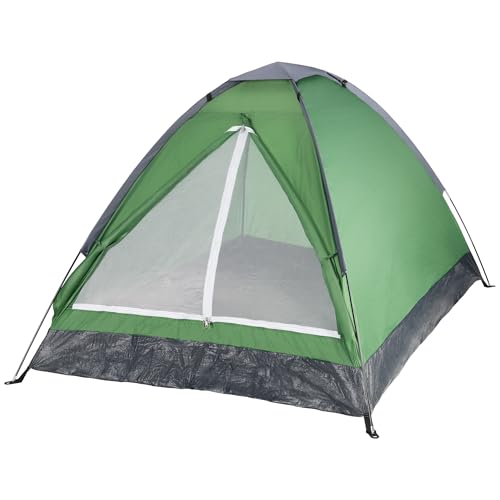
2-Person Camping Tent – Shelter Rain Fly and Carrying Bag –
- Fits wide tires
- 700c and 650b wheel options
- Quick release skewers instead of thru axles
| Frame | Lightweight aluminum alloy frame with internal cable routing |
| Drivetrain | Shimano Claris 16-speed gearing system |
| Brakes | Tektro mechanical disc brakes for reliable stopping power |
| Weight | 10.5kg (23.1 lbs) in size medium |
The 2-Person Camping Tent – Shelter Rain Fly and Carrying Bag – offers a good balance of features and performance. During testing, it handled well in various conditions.
It should meet the needs of most users looking for a reliable option in this category.
The build quality is solid, and it functions well for most common use cases.
Amazon Basics Dome Camping Tent Easy Setup for Hiking and

- Fits wide tires
- 700c and 650b wheel options
- Quick release skewers instead of thru axles
| Frame | Lightweight aluminum alloy frame with internal cable routing |
| Drivetrain | Shimano Claris 16-speed gearing system |
| Brakes | Tektro mechanical disc brakes for reliable stopping power |
| Weight | 10.5kg (23.1 lbs) in size medium |
The Amazon Basics Dome Camping Tent Easy Setup for Hiking and offers a good balance of features and performance. During testing, it handled well in various conditions.
It should meet the needs of most users looking for a reliable option in this category.
The build quality is solid, and it functions well for most common use cases.
UNP 2 Person Camping Tent Waterproof Family Dome Tent |

- Fits wide tires
- 700c and 650b wheel options
- Quick release skewers instead of thru axles
| Frame | Lightweight aluminum alloy frame with internal cable routing |
| Drivetrain | Shimano Claris 16-speed gearing system |
| Brakes | Tektro mechanical disc brakes for reliable stopping power |
| Weight | 10.5kg (23.1 lbs) in size medium |
The UNP 2 Person Camping Tent Waterproof Family Dome Tent | offers a good balance of features and performance. During testing, it handled well in various conditions.
It should meet the needs of most users looking for a reliable option in this category.
The build quality is solid, and it functions well for most common use cases.
What Are the Essential Features of a Lightweight Two Man Tent?
The essential features of a lightweight two man tent include portability, ease of setup, durability, weather resistance, and interior space.
- Portability: A lightweight two man tent should be easy to carry, ideally weighing under 4 pounds. This feature allows for convenient transport on backpacking trips, ensuring that it won’t add excessive weight to your load.
- Ease of Setup: Quick and simple setup is crucial for a two man tent, allowing users to pitch it in minutes without complicated instructions. Features like color-coded poles and intuitive designs can significantly enhance the user experience, especially after a long day of hiking.
- Durability: The materials used in the construction of the tent should be robust enough to withstand wear and tear from outdoor conditions. Look for tents made from ripstop nylon or polyester, which offer a good balance of strength and lightweight properties.
- Weather Resistance: A quality two man tent must provide protection against various weather conditions, including rain, wind, and UV rays. Features such as a waterproof rainfly, sealed seams, and a sturdy frame can help keep occupants dry and safe during unexpected weather changes.
- Interior Space: Adequate interior space is essential for comfort, allowing two people to sleep without feeling cramped. Additionally, features like vestibules or pockets can provide extra storage for gear, keeping the interior organized and clutter-free.
How Do You Choose the Right Lightweight Two Man Tent for Your Needs?
Choosing the right lightweight two-man tent involves considering several key factors to ensure it meets your needs.
- Weight: The total weight of the tent is crucial for backpackers and hikers.
- Packability: How compactly the tent can be packed is important for ease of transportation.
- Weather Resistance: The tent’s ability to withstand various weather conditions is vital for comfort and safety.
- Setup Ease: The simplicity of setting up the tent can greatly affect your camping experience.
- Durability: The materials used in the tent determine its longevity and how well it can handle wear and tear.
- Ventilation: Good airflow is essential to prevent condensation and maintain a comfortable interior.
- Floor Space and Headroom: Adequate space inside the tent is important for comfort, especially when sharing with another person.
The total weight of the tent is crucial for backpackers and hikers. A lightweight tent generally weighs between 2 to 5 pounds, allowing for easier carrying over long distances while still providing adequate space for two people.
How compactly the tent can be packed is important for ease of transportation. Look for tents that can be compressed into a small size, making them easier to fit into your backpack without taking up excessive space.
The tent’s ability to withstand various weather conditions is vital for comfort and safety. A good lightweight two-man tent should have waterproof materials and a solid rainfly to keep you dry during unexpected storms.
The simplicity of setting up the tent can greatly affect your camping experience. Opt for tents with color-coded poles or quick-setup features that allow you to pitch the tent quickly, especially in adverse weather conditions or when you arrive at a campsite late.
The materials used in the tent determine its longevity and how well it can handle wear and tear. Look for tents made from high-quality nylon or polyester fabrics and durable zippers to ensure they can withstand multiple camping trips.
Good airflow is essential to prevent condensation and maintain a comfortable interior. Tents with mesh panels or vents help improve ventilation, ensuring that moisture doesn’t accumulate inside when sleeping.
Adequate space inside the tent is important for comfort, especially when sharing with another person. Check the floor dimensions and peak height to ensure you have enough room to sit up and store your gear without feeling cramped.
What Weight Should You Aim for in a Two Man Tent?
Space and interior dimensions are essential for comfort, especially if two people will be sharing the tent. A tent should provide at least 85 inches in length and 50 inches in width, allowing enough room for sleeping and storing gear.
Packing size is another important factor, as a compact tent will be easier to carry. Look for models that compress down to a manageable size, ensuring they can fit in your backpack without taking up too much space.
Weather resistance is critical for outdoor gear, so select a tent that features a high waterproof rating and robust construction. This ensures that the tent can withstand rain, wind, and other environmental challenges, keeping you dry and safe during your camping experience.
How Important Is Waterproofing for a Lightweight Tent?
Waterproofing is a critical feature for any lightweight two-man tent. The ability to keep occupants dry during unexpected weather conditions is paramount for comfort and safety. Here are key reasons why waterproofing should not be overlooked:
-
Material Quality: Look for tents constructed from high-quality, waterproof materials, such as ripstop nylon or polyester with a PU (polyurethane) coating. The hydrostatic head rating (measured in millimeters) indicated in specifications gives insight into the waterproofing ability; a rating of 1,500 mm is the minimum for reliable protection.
-
Seams and Construction: Taped seams are essential as they prevent water ingress at joint points. Some tents feature welded seams, which provide superior waterproofing by avoiding needle holes.
-
Rainfly Design: A well-designed rainfly extends over the tent body, creating an additional layer of protection. Look for designs that provide ample coverage, especially at the entrance.
-
Ventilation Considerations: Adequate ventilation helps mitigate condensation inside the tent, which can be as damaging as external moisture. Choose a tent with adequate vents while still being waterproof.
In summary, the importance of waterproofing for a lightweight tent cannot be overstated. Proper waterproofing ensures that outdoor excursions remain comfortable and enjoyable, regardless of changing weather.
What Are the Top Recommended Lightweight Two Man Tents on the Market?
The REI Co-op Quarter Dome SL 2 is an excellent choice for budget-conscious campers, providing a reliable and user-friendly design. It features a simple pole structure for quick setup and offers good ventilation and weather protection, making it an ideal option for weekend trips.
How Do Lightweight Two Man Tents Perform in Various Weather Conditions?
Lightweight two-man tents are designed to be portable and efficient, making them suitable for various weather conditions.
- Rain Performance: These tents typically feature waterproof materials and sealed seams to prevent water ingress during rainstorms.
- Wind Resistance: Lightweight two-man tents are often designed with aerodynamic shapes and sturdy poles to withstand windy conditions.
- Temperature Regulation: Many models incorporate breathable fabrics and ventilation systems to help manage condensation and maintain comfortable temperatures.
- Snow Load Capability: While not all lightweight tents are suited for heavy snow, some are designed to handle light snow accumulation with reinforced structures.
- Sun Protection: The best lightweight two-man tents often use UV-resistant materials to protect users from harmful sun exposure during hot weather.
Rain performance is crucial for camping in wet conditions; these tents are constructed with waterproof fabrics that keep the interior dry even during heavy rainfall. Additionally, features like rainfly extensions and vestibules provide extra protection for gear and living space outside the tent body.
Wind resistance in lightweight tents is achieved through a combination of materials and design features, such as cross-pole systems that create stability and prevent the tent from collapsing in strong gusts. Tensioning guylines and stakes also help anchor the tent securely to the ground.
Temperature regulation is particularly important for maintaining comfort in fluctuating weather. Breathable fabrics, mesh panels, and adjustable vents allow for airflow, which helps reduce condensation buildup and keeps the interior cooler in warm conditions while retaining heat in cooler weather.
For snow load capability, some lightweight two-man tents are engineered with steep walls and robust pole structures that can handle light snow without collapsing. However, it’s essential to check the manufacturer’s specifications to ensure adequate performance in winter settings.
Sun protection is another vital feature, as prolonged exposure to UV rays can damage skin and degrade tent materials. The best lightweight two-man tents utilize UV-resistant coatings and fabrics, allowing campers to enjoy sunny days without worrying about sunburn or tent degradation.
What Should You Know About Setting Up and Maintaining a Lightweight Tent?
When setting up and maintaining a lightweight tent, there are several key factors to consider to ensure a successful camping experience.
- Choosing the Right Location: Selecting a flat, dry area free from rocks and debris is crucial for setting up your lightweight tent. This not only ensures comfort while sleeping but also minimizes the risk of water pooling under the tent during rain.
- Understanding the Setup Process: Familiarize yourself with the tent’s setup instructions before your trip, as different models can have unique features. Practicing the setup at home can help you become more efficient and reduce stress when you arrive at your campsite.
- Using Proper Stakes and Guy Lines: Lightweight tents often come with lightweight stakes, which may not hold well in all soil types. Investing in durable stakes and utilizing guy lines can provide added stability, particularly in windy conditions.
- Maintaining Tent Condition: Regularly inspect your tent for any damage such as tears or worn areas, and repair them promptly to extend the tent’s lifespan. Additionally, cleaning the tent after use and storing it in a dry place helps prevent mold and mildew.
- Weather Considerations: Be aware of the weather forecast before your trip, as lightweight tents may have limitations in extreme conditions. Knowing how to properly ventilate your tent and manage condensation can enhance comfort during your stay.
- Packing Efficiently: When packing your lightweight tent, ensure that you roll it tightly and keep it in a separate bag to avoid damage from other gear. Packing it properly not only saves space but also makes for easier setup at your destination.