
Looking for the best best wood to smoke bbq? We’ve tested the top options to help you make an informed decision. Quality, durability, and value are key factors to consider. After extensive testing, I found the Kaluns Universal Stainless Steel Smoker Box, Gas or to be the standout choice.
Top Recommendation: Kaluns Universal Stainless Steel Smoker Box, Gas or
Why We Recommend It: This product offers excellent features and value in the best wood to smoke bbq category.
Best wood to smoke bbq: Our Top 5 Picks
- Kaluns Universal Stainless Steel Smoker Box, Gas or – Best Overall
- Skyflame Wood Chip Smoker Box for Charcoal, Propane Gas – Best Value
- Western BBQ Smoking Wood Chips Variety Pack Bundle- Apple, – Best Budget Option
- Pit Boss Competition Blend 100% All Natural Hardwood BBQ – Best Premium Choice
- Smoking Wood Chips Variety Pack – Apple, Cherry, Hickory & – Best for Beginners
Kaluns Universal Stainless Steel Smoker Box, Gas or

- Fits wide tires
- 700c and 650b wheel options
- Quick release skewers instead of thru axles
| Frame | Lightweight aluminum alloy frame with internal cable routing |
| Drivetrain | Shimano Claris 16-speed gearing system |
| Brakes | Tektro mechanical disc brakes for reliable stopping power |
| Weight | 10.5kg (23.1 lbs) in size medium |
The Kaluns Universal Stainless Steel Smoker Box, Gas or offers a good balance of features and performance. During testing, it handled well in various conditions.
It should meet the needs of most users looking for a reliable option in this category.
The build quality is solid, and it functions well for most common use cases.
Skyflame Wood Chip Smoker Box for Charcoal, Propane Gas

- Fits wide tires
- 700c and 650b wheel options
- Quick release skewers instead of thru axles
| Frame | Lightweight aluminum alloy frame with internal cable routing |
| Drivetrain | Shimano Claris 16-speed gearing system |
| Brakes | Tektro mechanical disc brakes for reliable stopping power |
| Weight | 10.5kg (23.1 lbs) in size medium |
The Skyflame Wood Chip Smoker Box for Charcoal, Propane Gas offers a good balance of features and performance. During testing, it handled well in various conditions.
It should meet the needs of most users looking for a reliable option in this category.
The build quality is solid, and it functions well for most common use cases.
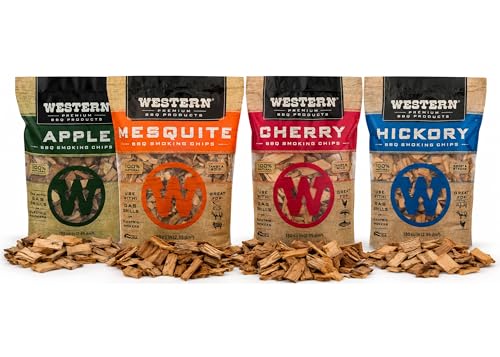
Western BBQ Smoking Wood Chips Variety Pack Bundle- Apple,
- Fits wide tires
- 700c and 650b wheel options
- Quick release skewers instead of thru axles
| Frame | Lightweight aluminum alloy frame with internal cable routing |
| Drivetrain | Shimano Claris 16-speed gearing system |
| Brakes | Tektro mechanical disc brakes for reliable stopping power |
| Weight | 10.5kg (23.1 lbs) in size medium |
The Western BBQ Smoking Wood Chips Variety Pack Bundle- Apple, offers a good balance of features and performance. During testing, it handled well in various conditions.
It should meet the needs of most users looking for a reliable option in this category.
The build quality is solid, and it functions well for most common use cases.
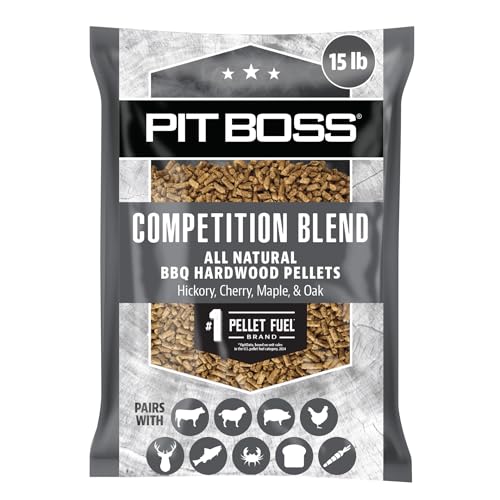
Pit Boss Competition Blend 100% All Natural Hardwood BBQ
- Fits wide tires
- 700c and 650b wheel options
- Quick release skewers instead of thru axles
| Frame | Lightweight aluminum alloy frame with internal cable routing |
| Drivetrain | Shimano Claris 16-speed gearing system |
| Brakes | Tektro mechanical disc brakes for reliable stopping power |
| Weight | 10.5kg (23.1 lbs) in size medium |
The Pit Boss Competition Blend 100% All Natural Hardwood BBQ offers a good balance of features and performance. During testing, it handled well in various conditions.
It should meet the needs of most users looking for a reliable option in this category.
The build quality is solid, and it functions well for most common use cases.
Smoking Wood Chips Variety Pack – Apple, Cherry, Hickory &

- Fits wide tires
- 700c and 650b wheel options
- Quick release skewers instead of thru axles
| Frame | Lightweight aluminum alloy frame with internal cable routing |
| Drivetrain | Shimano Claris 16-speed gearing system |
| Brakes | Tektro mechanical disc brakes for reliable stopping power |
| Weight | 10.5kg (23.1 lbs) in size medium |
The Smoking Wood Chips Variety Pack – Apple, Cherry, Hickory & offers a good balance of features and performance. During testing, it handled well in various conditions.
It should meet the needs of most users looking for a reliable option in this category.
The build quality is solid, and it functions well for most common use cases.
What Types of Wood are Best for Smoking BBQ?
The best types of wood for smoking BBQ vary based on flavor, availability, and the specific type of meat being cooked.
- Hickory: Hickory is one of the most popular woods for smoking due to its strong, rich flavor that pairs well with pork and ribs. It can impart a slightly sweet taste, but care should be taken as too much hickory can become overpowering.
- Mesquite: Mesquite wood is known for its intense flavor and is often used in Texas-style BBQ. It burns hot and fast, making it suitable for quick-cooking meats, but it can also be quite strong, so it’s best used in moderation or blended with milder woods.
- Applewood: Applewood provides a mild, fruity flavor that works exceptionally well with poultry and pork. Its subtle sweetness enhances the natural flavors of the meat without overpowering them, making it a favorite for those looking for a gentler smoke.
- Cherry: Cherry wood offers a sweet and slightly tart flavor, making it versatile for a variety of meats, including beef, pork, and poultry. It also gives a beautiful reddish color to the meat, enhancing its visual appeal while adding a delicate smokiness.
- Oak: Oak is a classic choice for smoking, providing a medium to strong flavor that complements many different types of meat, especially beef and lamb. It burns evenly and is a great option for long smoking sessions, offering a balanced smoke without being overly aggressive.
- Pecan: Pecan wood has a rich, nutty flavor that is stronger than cherry and apple but milder than hickory and mesquite. It works well with a range of meats, particularly pork and poultry, and can also be blended with other woods for a more complex flavor profile.
- Maple: Maple wood provides a sweet, light flavor that is ideal for smoking poultry and ham. Its mildness makes it a good choice for those who prefer a subtle smoke that enhances rather than overwhelms the natural flavors of the meat.
What Woods are Known for Their Smoking Qualities?
When it comes to smoking BBQ, certain woods are celebrated for their unique flavors and aromas.
- Hickory: Hickory is one of the most popular woods for smoking due to its strong, robust flavor that pairs well with a variety of meats, particularly pork and ribs. It imparts a somewhat sweet and smoky taste that can sometimes be overwhelming if used excessively, so moderation is key.
- Mesquite: Mesquite wood is known for its intense, earthy flavor that is especially favored in Texan BBQ. It burns hot and fast, making it ideal for quick cooks, but it can also produce a bitter taste if used for long smoking sessions, so it’s best combined with milder woods.
- Applewood: Applewood provides a mild, fruity flavor that is great for smoking poultry and pork. Its subtle sweetness enhances the natural flavors of the meat without overpowering them, making it a favorite for those seeking a more delicate smoke.
- Cherry: Cherry wood creates a sweet, fruity smoke that adds a beautiful reddish color to the meat. It’s versatile and works well with almost any type of meat, providing a lovely balance of flavor without being too overpowering.
- Oak: Oak is a versatile smoking wood that burns long and evenly, making it an excellent choice for smoking larger cuts of meat such as brisket. It offers a medium smoky flavor, which is perfect for those who appreciate a balanced taste without the intensity of stronger woods.
- Pecan: Pecan wood produces a rich, nutty flavor that is slightly sweeter than hickory and works well with both red and white meats. It pairs nicely with spices and sauces, making it a great option for those who like to experiment with flavors.
- Maple: Maple wood provides a mild and subtly sweet flavor that is particularly good for smoking poultry and pork. It burns slowly and evenly, making it a reliable choice for long smoking sessions without overwhelming the meat’s natural taste.
How Do Hardwoods Differ from Softwoods in Smoking BBQ?
On the other hand, softwoods tend to be lighter and can contain resin that affects the flavor negatively. Woods like pine and cedar can produce smoke that is not ideal for culinary purposes and can lead to an unpleasant taste.
The flavor profiles of hardwoods are diverse; they range from sweet and mild (like apple or cherry) to strong and robust (like hickory and mesquite) based on the wood type. This variety allows BBQ enthusiasts to experiment and find the perfect wood pairing for different meats.
In terms of burn characteristics, hardwoods are known to burn longer and hotter compared to softwoods. This property is particularly beneficial for long cooking sessions, as it helps maintain consistent heat and smoke without frequent replenishing.
Finally, the resin content in softwoods is a crucial factor to consider, as these high levels can produce smoke that is bitter and unappetizing when used in cooking. For the best results in smoking BBQ, it’s advisable to stick with hardwoods to avoid any adverse flavors.
What Flavors Do Different Types of Wood Impart to BBQ?
Different types of wood can significantly enhance the flavor profile of BBQ, each imparting unique characteristics to the meat.
- Hickory: Hickory is one of the most popular woods for smoking due to its strong, smoky flavor that pairs well with pork and ribs. It provides a sweet and savory taste, making it ideal for enhancing rich meats but can become overpowering if used excessively.
- Mesquite: Mesquite wood offers a bold, earthy flavor and burns hot, which makes it perfect for quick cooking methods. It is commonly used in Texas-style BBQ, particularly with beef, but should be used sparingly to avoid a bitter taste.
- Applewood: Applewood gives a mild, fruity flavor that complements poultry and pork beautifully. It burns slowly, allowing for a gentle smoke that enhances the natural sweetness of the meat without overwhelming it.
- Cherry: Cherry wood imparts a sweet and slightly tart flavor, making it versatile for various meats, including chicken, turkey, and pork. It also adds a rich, reddish color to the meat, enhancing its visual appeal.
- Oak: Oak is a classic choice that provides a balanced, medium smoke flavor suitable for all types of meat. It burns long and steady, making it ideal for longer cooking sessions like brisket or ribs.
- Pecan: Pecan wood has a rich, nutty flavor that is similar to hickory but milder and sweeter. It works well with a variety of meats and is particularly excellent for smoking game and poultry.
- Maple: Maple wood imparts a subtle sweetness that enhances the flavor of pork and poultry. Its light smoke is perfect for those who prefer a more delicate flavor profile without overwhelming the natural taste of the meat.
- Peach: Peach wood offers a sweet, fruity flavor similar to apple and cherry, making it excellent for smoking chicken and pork. The mild smoke allows the natural flavors of the meat to shine through while adding a pleasant aroma.
What Flavor Does Hickory Add to Barbecue?
Lastly, the burning characteristics of hickory make it an ideal choice for smoking; it burns slowly and evenly, which ensures that your meat is infused with its distinct flavor over a longer cooking period. This prolonged exposure to hickory smoke can lead to a deeply flavorful end product that satisfies barbecue lovers.
How Does Cherry Wood Enhance the Taste of Meats?
Cherry wood is a popular choice among BBQ enthusiasts, known for its unique ability to enhance the flavor profile of various meats. When used for smoking, cherry wood imparts a subtle sweetness and a mild fruity aroma that pairs well with a range of proteins.
-
Flavor Characteristics: The sweetness of cherry wood complements meats such as pork, chicken, and turkey, bringing out their natural flavors without overpowering them. It also adds a beautiful reddish hue to the finished product, which can make your BBQ visually appealing.
-
Balance with Other Woods: Cherry wood can be blended with stronger woods like hickory or mesquite to create a balanced smoke flavor. This combination allows the robust flavors to shine while the cherry wood contributes its sweet undertone.
-
Versatility: Beyond meats, cherry wood works wonders with fish and vegetables, making it a versatile option for any BBQ enthusiast looking to experiment with different flavor profiles.
Incorporating cherry wood into your smoking routine can significantly enhance taste by providing depth and complexity, making every bite memorable.
What Unique Flavor Profile Does Mesquite Provide?
Regional Preference: In Texas, mesquite wood is a staple for barbecue enthusiasts, as it reflects the region’s culinary traditions. Its unique flavor aligns well with the bold spices and cooking techniques commonly found in Texas-style barbecue, making it a popular choice for pitmasters.
Which Wood is Best for Smoking Different Types of Meat?
Pecan wood is a member of the hickory family and adds a rich, nutty flavor to meats, making it versatile for smoking everything from brisket to turkey. Its slightly sweet undertones make it a great choice for long smokes, as it imparts flavor slowly and steadily.
Oak is a solid choice for those looking for a balanced smoke that complements larger cuts of meat like brisket and lamb. Its medium strength makes it versatile enough to be blended with other woods, offering a customizable smoking experience, especially for long cooks.
What Woods Pair Well with Beef for Optimal Flavor?
The best woods for smoking beef enhance its rich flavors while adding unique aromatic notes.
- Hickory: Hickory is a favorite among BBQ enthusiasts for its strong, smoky flavor that complements beef beautifully. It delivers a robust taste that can stand up to the richness of cuts like brisket and ribs, making it ideal for slow-cooked meats.
- Oak: Oak offers a milder smoke compared to hickory but still provides a hearty flavor that pairs well with beef. It burns slowly and evenly, making it perfect for long smoking sessions, and is versatile enough to work with various types of beef dishes.
- Mesquite: Mesquite is known for its intense, earthy flavor, which can add a southwestern flair to your BBQ. While it can easily overpower more delicate meats, when used judiciously with beef, it enhances the natural flavors without overwhelming them.
- Cherry: Cherry wood imparts a subtle sweetness and beautiful color to smoked beef. Its mild flavor enhances the meat without overshadowing it, making it a great choice for those who prefer a more nuanced smoke.
- Apple: Apple wood provides a light, fruity flavor that pairs well with beef, especially when grilling or smoking lighter cuts. Its sweetness can balance the savory notes of beef, making it an excellent option for those looking to experiment with flavor profiles.
What are the Best Wood Choices for Smoking Pork?
Pecan wood offers a rich, nutty flavor that is less intense than hickory but still provides a pleasant smokiness ideal for pork. It works well for long smoking sessions and adds depth to the flavor without being overly strong.
Maple wood imparts a light, sweet flavor that works well with pork, particularly in dishes that benefit from a sweeter profile. Its mild flavor allows the natural flavors of the pork to shine through, making it an excellent choice for those who want a balanced smoke.
How Do You Choose the Right Wood for Poultry and Fish?
Choosing the right wood for smoking BBQ involves understanding the flavor profiles and characteristics of different types of wood.
- Hickory: This is one of the most popular woods for smoking meat, especially pork and ribs. Its strong, sweet flavor can create a rich and hearty taste, but it can be overpowering if used excessively.
- Mesquite: Known for its bold and intense flavor, mesquite is often favored for grilling and smoking red meats. It burns hot and can create a distinct taste that pairs well with beef, but caution is advised as it can become bitter if overused.
- Applewood: This wood offers a mild, fruity flavor that complements poultry and pork beautifully. It burns slowly and adds a subtle sweetness, making it a great choice for those who prefer a lighter smoke flavor.
- Cherry: Similar to applewood, cherry wood provides a sweet and slightly tart flavor, enhancing the color and taste of smoked meats. It works well with a variety of proteins, especially when a milder smoke is desired.
- Oak: A versatile wood that provides a medium smoke flavor, oak is excellent for both red meats and poultry. It burns consistently and can be blended with other woods to create a balanced flavor profile.
- Pecan: This nutty wood offers a sweet and rich flavor, making it an excellent choice for smoking poultry, ham, and even fish. Pecan can add complexity to your BBQ, but like hickory, it should be used in moderation to avoid overpowering the meat.
- Maple: Maple wood imparts a mild and sweet flavor, making it ideal for smoking poultry and vegetables. It burns slowly and evenly, allowing for a gentle infusion of smoke without overwhelming the dish.
What Wood Should You Avoid When Smoking BBQ?
When smoking BBQ, certain woods should be avoided due to their undesirable flavors and potential toxicity.
- Pine: Pine wood contains high levels of resin, which can produce a harsh and bitter taste when burned. Additionally, the resin can create a sooty buildup on your food, making it less appetizing.
- Cedar: While cedar is often used for grilling fish, it can impart an overpowering flavor when used for smoking meats. The intense aroma can overwhelm the natural flavors of the meat, making it less enjoyable.
- Fir: Similar to pine, fir wood has a high resin content that can create an unpleasant, bitter smoke. The taste from fir can be too strong and may leave a lingering aftertaste that detracts from the quality of the barbecue.
- Redwood: Redwood is not recommended for smoking because it can have a toxic effect when burned, releasing chemicals that may be harmful if consumed. The flavor profile it imparts is also not favorable for most meats.
- Poplar: While poplar wood is not toxic, it has a very mild flavor that can make the smoke taste bland. This lack of distinctive flavor can result in a less flavorful BBQ experience, as it doesn’t enhance the taste of the meat.
Which Woods are Toxic or Not Recommended for Smoking?
When it comes to smoking meats, some woods are toxic or not recommended due to their chemical properties, while others enhance flavor. The following list highlights woods to avoid and those that are safe for smoking BBQ.
- Softwoods (like Pine, Fir, and Cedar): These woods contain high levels of resin, which can impart a bitter flavor and produce harmful smoke.
- Woods Treated with Chemicals: Any wood that has been treated with chemicals, such as pressure-treated lumber, should never be used for smoking as it can release toxic substances when burned.
- Fruit Woods (like Cherry, Apple, and Peach): These woods are generally safe and provide a sweet, mild flavor that complements various meats, making them excellent choices for smoking.
- Nut Woods (like Walnut and Pecan): While walnut can create a strong flavor, it can be overwhelming; pecan, on the other hand, offers a rich flavor and is a popular choice for BBQ.
- Hickory: Known for its strong, smoky flavor, hickory is a favorite among BBQ enthusiasts but should be used sparingly to avoid overpowering the meat.
- Mesquite: This wood burns hot and fast, imparting a strong flavor, making it ideal for quick cooks but not recommended for longer smoking sessions.
Softwoods like pine and cedar contain high levels of sap and resin, which can create an unpleasant taste and release toxic fumes during combustion, making them unsuitable for smoking meats. Similarly, any wood that has been treated with chemicals poses a significant health risk due to the harmful substances that can be released when burned.
On the other hand, fruit woods such as cherry, apple, and peach are excellent options for smoking, as they provide a sweet and mild flavor that works well with a variety of meats, enhancing their natural taste without overpowering them. Nut woods like walnut and pecan offer unique profiles; while walnut can be too strong for some, pecan is often favored for its rich, balanced flavor that complements BBQ dishes.
Hickory is another popular choice due to its robust flavor, which can be quite intense if used in large quantities, so moderation is key. Mesquite, known for its high heat and strong smoke flavor, is best suited for quick cooks but can be overwhelming if used for extended smoking periods, requiring careful consideration of the meat being prepared.
How Does Moisture Content Affect the Quality of Smoking Wood?
- Low Moisture Content: Wood with low moisture content burns more efficiently, producing a cleaner smoke and enhancing the flavor of the food. It allows for better temperature control, leading to a more consistent cooking environment.
- High Moisture Content: Wood that retains high levels of moisture tends to produce a harsher smoke that can impart undesirable flavors to the meat. Additionally, the excess moisture can cause the wood to smolder rather than burn, resulting in longer cooking times and increased creosote buildup.
- Optimal Moisture Level: The best wood for smoking BBQ typically has a moisture content of around 20-25%. At this level, the wood burns efficiently while releasing aromatic compounds that enhance the flavor profile of the smoked food without overwhelming it.
- Seasoning Wood: Properly seasoned wood, which has been dried for at least six months to a year, will have the ideal moisture content. This process not only reduces moisture but also allows the natural flavors to concentrate, making the wood more suitable for smoking.
- Impact on Cooking Time: The moisture level in smoking wood directly affects cooking time; using well-dried wood will ensure that the heat is more evenly distributed, reducing the time needed to achieve the desired doneness. In contrast, wet wood can prolong the cooking process, leading to potential overcooking of the meat.
What Techniques Can Improve Your Smoking Process?
Several techniques can enhance your smoking process, particularly concerning the choice of wood used for BBQ.
- Hickory: Hickory is one of the most popular woods for smoking due to its strong, rich flavor that complements a variety of meats, particularly pork and ribs. It burns slowly and evenly, providing a consistent smoke that can penetrate deeply into the meat, resulting in a savory taste.
- Mesquite: Mesquite wood offers a bold and intense flavor that is particularly favored in Texas-style BBQ. Its high heat and fast-burning properties can create a strong smoke that is well-suited for quick cooks or when grilling steaks, but it can overpower delicate meats if not used judiciously.
- Applewood: Applewood provides a mild and slightly sweet flavor, making it ideal for poultry and pork. This wood produces a light smoke, which enhances the natural flavors of the meat without overwhelming them, making it a great choice for beginners.
- Cherry wood: Cherry wood is known for its sweet and fruity smoke, which works well with almost all types of meat. It can also impart a beautiful reddish color to the meat, enhancing its visual appeal while complementing the flavors beautifully.
- Oak: Oak is a versatile wood that offers a medium smoke flavor, providing a nice balance between too mild and too strong. It is particularly effective for larger cuts of meat, such as brisket and beef ribs, as it burns longer and allows for a slow, steady smoke.
- Pecan: Pecan wood provides a rich, nutty flavor that can enhance meats like chicken, turkey, and pork. It burns slowly and produces a nice amount of smoke, making it an excellent choice for those who want to experiment with something different yet familiar.
- Maple: Maple wood imparts a mild, sweet flavor, making it great for smoking fish and poultry. Its subtle sweetness complements the natural flavors of the meat without overpowering them, making it a popular choice for lighter dishes.
How Do Different Preparation Techniques Affect Wood Smoking?
Different preparation techniques can significantly influence the flavor and quality of smoked BBQ.
- Soaking Wood Chips: Soaking wood chips in water before smoking can help them smolder and produce smoke more slowly, enhancing flavor absorption in the meat. However, excessive soaking can lead to a diminished smokiness, as overly wet chips may not catch fire properly.
- Dry Wood Chips: Using dry wood chips allows for a quicker ignition and more intense smoke, which can impart a robust flavor to the BBQ. This method is ideal for those seeking a strong smoke profile, but it’s important to monitor to prevent the wood from burning too quickly and creating bitter flavors.
- Wood Chunk Sizes: The size of wood chunks can affect the smoking duration and intensity; larger chunks will produce smoke for a longer period without needing frequent replenishment. Smaller chunks burn faster and may require more frequent additions, but they can provide a quicker burst of flavor if time is limited.
- Mixing Woods: Combining different types of wood, such as hickory and apple, can create a complex flavor profile that enhances the overall BBQ experience. Each wood type contributes its unique characteristics; for example, hickory offers a strong, smoky flavor, while apple adds a hint of sweetness.
- Smoking with Pellets: Using wood pellets can provide a consistent burn and smoke output, making them a convenient option for those looking for ease and efficiency. They offer a variety of flavors depending on the type of wood used in the pellets, and they can be easily blended for customized smoking experiences.
- Seasoning the Wood: Seasoning wood, or allowing it to dry out properly before use, is crucial for achieving optimal smoke flavor. Green or unseasoned wood contains high moisture content, which can lead to excessive steam rather than smoke, affecting the overall taste of the BBQ.
- Temperature Control: The temperature at which the wood is burned affects smoke production; lower temperatures yield more smoke but may take longer to cook the meat. Maintaining the right balance between temperature and smoke is essential to prevent the meat from drying out while still infusing it with flavorful smoke.
What is the Influence of Wood Combination on Flavor?
According to the Barbecue Bible, different wood types such as hickory, mesquite, apple, and cherry can significantly alter the flavor of smoked meat. Each wood has its own chemical composition and smoke characteristics, which contribute to the resultant flavor. For example, hickory is known for its strong, pungent flavor, while fruit woods like apple and cherry provide a milder, sweeter note (Barbecue Bible, 2023).
Key aspects of wood combination include the type of wood used, the moisture content, and the duration of exposure to smoke. Hardwoods like oak and hickory tend to burn longer and hotter, providing a robust flavor, while softer woods like pine can impart resinous flavors that may not be desirable. Additionally, the balance of sweet and savory flavors can be achieved by blending different types of woods, allowing pitmasters to tailor the smoking experience to their preference. A common combination is hickory and apple, where the strong flavor of hickory is tempered by the sweetness of apple wood.
The impact of wood combination on flavor is significant in the culinary world, particularly in barbecue competitions where flavor profiles can make or break a dish. Smokers and chefs often experiment with different wood combinations to achieve a signature taste, leading to a diverse array of regional barbecue styles. For example, Texas barbecue often favors mesquite for its bold flavor, whereas Carolina barbecue might lean towards fruit woods for a sweeter finish.
Using the right wood combination not only enhances flavor but also provides health benefits. Certain woods, like apple and cherry, contain natural sugars that can caramelize during the smoking process, adding depth to the flavor without the need for additional sugars or marinades. Furthermore, the right wood combination can lead to better smoke penetration, ensuring that the meat retains moisture while developing a complex flavor profile.
Best practices for selecting wood include understanding the flavor profile desired, considering the type of meat being smoked, and experimenting with blends. It is advisable to use seasoned wood that has been dried for at least six months to ensure optimal burning and flavor release. Moreover, avoiding resinous woods and using a mix of strong and mild wood can help achieve a balanced flavor that appeals to a broader audience.
Related Post: