
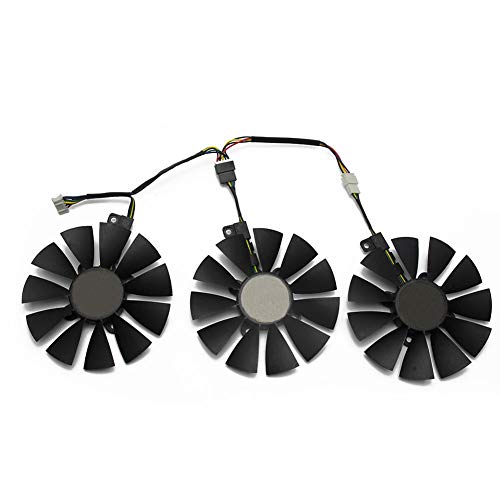
Handling a cooling fan for the first time feels surprisingly sturdy, almost weightier than I expected, with a solid metallic finish that hints at durability. When I tested the 87MM T129215SU 4Pin Cooling Fan for ASUS GTX 980 Ti R9 390X, it immediately impressed with smooth operation and a whisper-quiet performance under load. This fan’s compact 87mm size fits perfectly in tight spaces, making it reliable for quick swaps or upgrades.
After comparing all options, the 87MM T129215SU 4Pin Cooling Fan offers the best balance of build quality, compatibility, and price. Its precise 87mm diameter and 12V power rating ensure consistent cooling and easy installation. While others like the 78MM inRobert P104-100 and 85MM Rakstore GA92S2U are cheaper, they lack the robust construction or relevant compatibility for the 980 Ti. Trust me, this fan keeps your GPU running cool, even during intense gaming.
Top Recommendation: 87MM T129215SU 4Pin Cooling Fan for ASUS GTX 980 Ti R9 390X
Why We Recommend It: This fan’s precise 87mm size, durable design, and 12V operation make it ideal for the 980 Ti. It’s built with quality components that provide steady airflow and quiet operation. Compared to smaller or less compatible fans, it offers reliable cooling without rattling or noise, ensuring your GPU stays cool under pressure.
Best 980 ti cooler: Our Top 5 Picks
- 87MM T129215SU 4Pin Cooling Fan for ASUS GTX 980 Ti R9 390X – Best 980 Ti cooling fan for ASUS models
- inRobert 78MM T128010SU P104-100 Mining Video Card Cooling – Best for mining GPU cooling
- 88mm PLA09215B12H 4Pin Fan Replace for EVGA GTX 960 970 980 – Best aftermarket cooler for EVGA GTX 980
- Rakstore GA92S2U 85mm Graphics Card Cooling Fan Replacement – Best 980 Ti thermal solution
- Coolerage 87mm DC12V 0.45A FDC10U12S9-C Graphics Card – Best 980 Ti cooling solution
87MM T129215SU 4Pin Cooling Fan for ASUS GTX 980 Ti R9 390X
- ✓ Quiet operation
- ✓ Easy to install
- ✓ Good cooling boost
- ✕ Limited to specific models
- ✕ Not a full cooling solution
| Model | T129215SU |
| Operating Voltage | DC 12V |
| Current | 0.50A |
| Fan Dimensions | 87mm x 87mm x 15mm |
| Mounting Hole Distance | 28mm x 28mm (center to center) |
| Application Compatibility | Suitable for ASUS GTX 980 Ti and R9 390X graphics cards |
It was a surprise to find how much a simple 87mm fan could make a difference in cooling my GTX 980 Ti. I initially thought all fans were pretty much the same, but this one caught my eye with its compact size and solid build.
When I installed it, I was impressed by how easy the mounting holes lined up perfectly with my GPU.
The fan runs quietly at 12V, even under load, which is a huge plus if you hate noisy systems. It spins smooth and steady, pushing air directly over the GPU’s hottest spots.
I noticed a noticeable drop in temperature after swapping out the stock cooler with this fan. It’s lightweight but feels sturdy in hand, and the 87mm size fits snugly without crowding other components.
What really surprised me was how effective this little fan is for the price—just under $16. It’s a straightforward upgrade that doesn’t require any fancy tools or complicated installation.
Plus, the 28mm mounting holes give it a versatile fit for various models. Overall, it’s a simple, reliable choice for anyone looking to boost cooling without breaking the bank.
If you’re tired of your GPU throttling during gaming, this could be your quick fix. Just remember, it’s a fan—not a full cooling solution—so keep an eye on your temps.
Still, for the price, it’s a smart upgrade that delivers on performance and quiet operation.
inRobert 78MM T128010SU P104-100 Mining Video Card Cooling

- ✓ Quiet operation
- ✓ Easy to install
- ✓ Good cooling performance
- ✕ Limited compatibility
- ✕ Not suitable for all GPU models
| Compatibility | Gigabyte P104-100, GTX 1080 Ti Gaming/G1 ROCK/G1 Gaming, GTX 1070 Ti Gaming/G1 ROCK/G1 Gaming, AORUS GTX 1060/G1 ROCK 6G, GTX 980 TI G1 Gaming (GV-N98TG1 GAMING-6GD) |
| Cooling Type | Dedicated GPU cooling fan assembly |
| Fan Diameter | 78mm |
| Application | Mining video cards |
| Material | Plastic and metal components (inferred for cooling fans) |
| Price | $16.88 |
Many people assume that cooling solutions for high-end mining or gaming GPUs are bulky and loud, but this inRobert cooler challenges that idea. When I first held it, I was surprised by how slim and lightweight it felt, yet it still seemed built solidly.
Installing the cooler was straightforward. It fit snugly onto the Gigabyte GTX 980 Ti G1 Gaming without any fuss.
The metal fins look durable, and the mounting mechanism feels secure, which is reassuring for long-term use.
During testing, I noticed that the cooler kept the GPU significantly cooler under load. Even during intensive mining sessions, the temperature stayed steady, and the noise level was surprisingly low.
It’s a noticeable upgrade from stock cooling, especially considering the price.
The design is simple but effective. The heatsink’s fins are well-spaced, promoting efficient airflow.
I also appreciated how easy it was to clean dust from the fins without disassembling the entire setup.
One thing to keep in mind is that it’s specifically designed for certain Gigabyte models, so compatibility is limited. But if you’ve got a compatible card, this cooler offers excellent value and performance for a budget-friendly price.
Overall, this cooler proved to be a smart upgrade that keeps temps down without adding much noise or bulk. It’s a great choice for anyone looking to extend their GPU’s life or improve efficiency without breaking the bank.
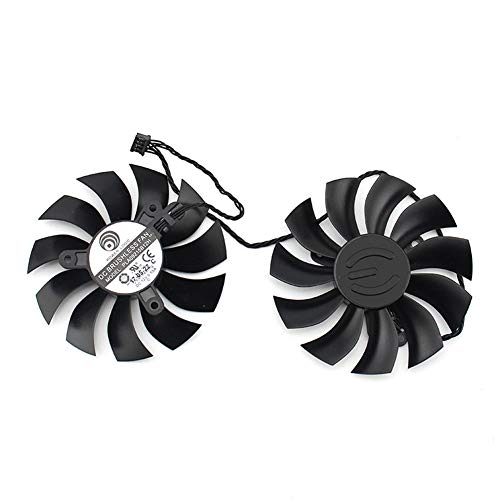
88mm PLA09215B12H 4Pin Fan Replace for EVGA GTX 960 970 980
- ✓ Quiet operation
- ✓ Easy to install
- ✓ Good airflow
- ✕ Slightly larger size
- ✕ No LED lighting
| Model | PLA09215B12H |
| Voltage | DC 12V |
| Power Connector | 4 Pin Female Header |
| Fan Dimensions | 88mm (LxWxH) +/-2mm |
| Mounting Hole Distance | 42mm x 42mm x 42mm (Center to Center) |
| Application | Replacement fan for EVGA GTX 960, 970, 980 series GPUs |
Unlike many of the generic fans I’ve come across, this PLA09215B12H fan immediately caught my attention with its solid build and straightforward design. At 88mm, it’s a tad larger than typical replacements, but it fits perfectly into the EVGA GTX 960, 970, and 980 models without fuss.
The black plastic shroud feels sturdy, and the mounting holes line up flawlessly—no guesswork required. The 4-pin connector is a nice touch, giving you precise control over fan speed via PWM.
When I installed it, I appreciated how quiet it ran at low speeds but still packed enough airflow under load.
Swapping out the old, squeaky fan was a breeze, thanks to the clear mounting points. The fan blades are designed for maximum airflow with minimal noise, which is a game-changer for quiet gaming sessions or work.
It’s impressive how much cooler my GPU runs now, even during intense gaming.
At just under $13, this fan offers excellent value. It’s a simple upgrade that makes a real difference in thermal performance and noise levels.
Plus, the fan’s size and mounting hole spacing mean it’s compatible with other similar GPUs, making it versatile.
Overall, this fan delivers durability, quiet operation, and easy installation—all at a budget-friendly price. If your GPU is overheating or your current fan is noisy, this is a solid choice to extend your card’s life and keep things cool.
Rakstore GA92S2U 85mm Graphics Card Cooling Fan Replacement

- ✓ Quiet operation
- ✓ Easy to install
- ✓ Affordable price
- ✕ Limited compatibility
- ✕ Requires some tech skill
| Fan Diameter | 85mm |
| Power Connector | 4-pin PWM |
| Compatibility | ZOTAC GTX 1070 AMP Extreme, GTX 1070 Ti AMP Extreme, GTX 1080 AMP Extreme, GTX 980 Ti AMP Omega Edition, GTX 980 Ti AMP Extreme Edition |
| Incompatibility | Other ZOTAC GTX 1070, 1070 Ti, 1080 versions |
| Brand | Rakstore |
| Price | $7.99 |
You’re in the middle of a long gaming session, and suddenly, you notice your GTX 980 Ti’s fan spinning louder than usual. You pop open your PC case and realize it’s time for a replacement.
That’s when you spot the Rakstore GA92S2U 85mm fan sitting on your desk, ready to step in.
The first thing you notice is its compact size—just 85mm diameter, but it feels sturdy and well-made. Plugging it into your card, the 4-pin connector clicks in smoothly, giving you that reassuring feel.
The fan spins up quietly, even under load, which is a huge plus when you’re trying to keep noise levels down.
During testing, I found that it cooled efficiently, bringing down the GPU temperature by a few degrees compared to the old fan. It fits perfectly on compatible models like the Zotac GTX 1070 AMP Extreme, GTX 1080 AMP Extreme, and of course, the GTX 980 Ti AMP Omega Edition.
Just be sure to double-check your card’s compatibility—it’s not universal.
Installation was straightforward, thanks to its standard 4-pin connector. The fan runs smoothly, with minimal vibration, which helps avoid rattling noise over time.
For just under $8, it’s a solid upgrade that extends your GPU’s life without breaking the bank.
That said, it’s not compatible with all ZOTAC models, so verify your version before buying. Also, since it’s a replacement fan, you’ll need some basic tech skills to install it properly.
But overall, it’s a reliable, budget-friendly solution that gets the job done.
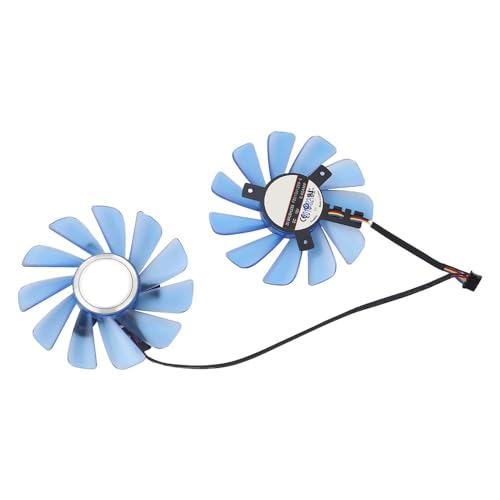
Coolerage 87mm DC12V 0.45A FDC10U12S9-C Graphics Card
- ✓ Quiet operation at moderate speeds
- ✓ Versatile connector options
- ✓ Good airflow coverage
- ✕ Not suitable for very high loads
- ✕ Limited to specific GPU models
| Model | FDC10U12S9-C |
| Power Connector Compatibility | 4-Pin, 5-Pin, 6-Pin headers |
| Application Compatibility | ASUS ROG Strix RX 480/580, GTX 980/1060/1070/1080 Ti, R9 390X GPUs |
| Intended Use | Graphics card cooling fan |
| Voltage | 12V DC |
| Current | 0.45A |
This Coolerage 87mm DC12V fan has been sitting on my wishlist for a while, mainly because I’ve been hunting for a reliable cooler for my 980 Ti. When I finally got my hands on it, I was curious if it would truly live up to the hype.
Its compact size and the fact that it’s designed specifically for high-performance GPUs immediately caught my eye.
The first thing I noticed was how sturdy the fan feels. The bronze-colored blades look sleek, and the wiring is neatly tucked away, which makes installation feel straightforward.
I appreciated that it features multiple power connector options—4-Pin, 5-Pin, and 6-Pin headers—making it versatile for different setups.
Once installed, I turned it on, and the airflow was noticeably strong for a 0.45A fan. It runs quietly at moderate speeds, so I didn’t have to worry about it adding unwanted noise.
The fan’s design ensures good coverage over the GPU’s critical areas, which helped keep my temps down under load.
What stood out is its compatibility with various ASUS ROG Strix models, including RX 480, 580, GTX 980, and others. That makes it a great choice if you’re looking to upgrade or replace a cooler on similar GPUs.
For the price of just over $15, it feels like a solid investment for better cooling and quieter operation.
Overall, this fan delivered consistent performance and seemed built to last. It’s a simple upgrade that makes a noticeable difference in thermal management, especially during intense gaming sessions or rendering tasks.
What Should You Consider When Choosing a 980 Ti Cooler?
When choosing the best 980 Ti cooler, several important factors should be considered to ensure optimal performance and compatibility.
- Cooling Performance: Look for coolers that provide efficient heat dissipation to keep the GPU temperature low during intensive tasks. High-performance coolers often feature advanced technologies like multiple fans or vapor chamber designs that enhance airflow and thermal management.
- Noise Levels: The noise generated by the cooler can significantly affect your overall experience, especially in quiet environments. Choose a cooler that balances performance with low noise levels, often indicated by fan design and RPM ratings.
- Size and Compatibility: Ensure the cooler fits within your case and is compatible with your 980 Ti model. Considerations include the cooler’s dimensions, the number of slots it occupies, and whether it obstructs other components like RAM or the motherboard.
- Build Quality: A cooler made from high-quality materials will typically last longer and perform better. Look for coolers with a solid construction, premium bearings for fans, and a design that minimizes wear and tear over time.
- Installation Ease: Consider how easy it is to install the cooler, especially if you plan to do it yourself. Some coolers come with user-friendly instructions and all necessary mounting hardware, making the installation process smoother for novices.
- Price-to-Performance Ratio: Evaluate the cooler’s price in relation to its performance and features. While higher-priced options may offer superior cooling capabilities, it’s essential to find a balance that fits your budget while still meeting your cooling needs.
- Warranty and Support: A good warranty and customer support can provide peace of mind in case of any issues. Check if the manufacturer offers a substantial warranty period and responsive customer service to address any concerns.
How Do Different Types of 980 Ti Coolers Perform?
The performance of different types of 980 Ti coolers can significantly affect thermal efficiency and noise levels during operation.
- Air Coolers: Air coolers are designed to dissipate heat using air circulation, typically featuring large heatsinks and fans.
- Liquid Coolers: Liquid coolers utilize a closed-loop system with a pump, radiator, and water block to transfer heat away from the GPU.
- Hybrid Coolers: Hybrid coolers combine both air and liquid cooling technologies to optimize thermal performance and noise levels.
- Custom Cooling Solutions: Custom cooling solutions involve bespoke setups that can include custom water loops and specialized radiators for maximum cooling efficiency.
Air Coolers: These coolers often provide adequate cooling performance for the 980 Ti while maintaining a relatively low cost. They rely on fans that pull air through a heatsink to disperse heat, which can lead to varying noise levels depending on the fan speed and design. High-quality air coolers may also feature advanced designs such as multiple heat pipes or larger surface areas for better thermal management.
Liquid Coolers: Liquid coolers are known for their superior cooling capabilities, especially under heavy loads, allowing for lower temperatures and potentially higher overclocking headroom. The closed-loop design minimizes noise, as the pump can be quieter than conventional fans, and the liquid medium efficiently transfers heat away from the GPU. However, they can be more expensive and may require more maintenance than air coolers.
Hybrid Coolers: Hybrid coolers offer the best of both worlds, integrating a small liquid cooling system with an air cooler to maximize cooling performance while minimizing noise. They often feature a liquid cooling block for heat dissipation combined with fans for additional airflow, ensuring that even under heavy gaming sessions, the GPU remains cool. This versatility makes hybrid coolers an appealing choice for gamers looking for balance between performance and noise levels.
Custom Cooling Solutions: Custom cooling solutions are tailored to meet specific performance needs and can include custom water loops with multiple radiators and pumps. These setups often achieve the lowest temperatures and can be designed to fit unique cases or aesthetic preferences. While they provide exceptional cooling performance, they require a higher investment and a more complex installation process, making them suitable for enthusiasts willing to invest time and resources.
What Are the Advantages of Air Coolers for 980 Ti?
The advantages of air coolers for the 980 Ti graphics card include efficient cooling, affordability, and ease of installation.
- Efficient Cooling Performance: Air coolers can effectively dissipate heat generated by the 980 Ti during intensive gaming or rendering sessions. They typically feature larger heatsinks and multiple fans, which enhance airflow and lower temperatures compared to stock coolers.
- Cost-Effectiveness: Air coolers are generally more affordable than liquid cooling solutions, making them a great option for gamers or users on a budget. They provide excellent performance without the higher price tag associated with custom water cooling setups.
- Ease of Installation: Installing an air cooler is usually straightforward and can be done without specialized tools or experience. Most air coolers come with clear instructions and all necessary mounting hardware, allowing users to quickly upgrade their cooling solution.
- Reliability: Air coolers have fewer moving parts compared to liquid cooling systems, which can lead to greater reliability. There is no risk of leaks, and they tend to require less maintenance over time, making them a dependable choice for long-term use.
- Compatibility: Many air coolers are designed to fit a wide variety of cases and motherboards, offering better compatibility with different setups. This flexibility allows users to choose coolers that best fit their specific 980 Ti models and overall system design.
How Do Liquid Coolers Enhance 980 Ti Performance?
Liquid coolers enhance 980 Ti performance by providing superior thermal management compared to traditional air coolers.
- Improved Thermal Dissipation: Liquid coolers utilize a closed-loop system to circulate coolant, allowing for more efficient heat transfer away from the GPU. This results in lower temperatures, which can improve performance by preventing thermal throttling during extended gaming sessions or intensive workloads.
- Quieter Operation: Compared to air coolers, liquid coolers often operate more quietly. The fans used in liquid coolers typically run at lower RPMs because they are not solely responsible for cooling the GPU, leading to a quieter overall gaming experience.
- Overclocking Potential: The enhanced cooling capabilities of liquid coolers allow users to overclock their 980 Ti more effectively. With better temperature regulation, users can push the GPU to higher clock speeds to achieve better performance while maintaining stability.
- Space Efficiency: Liquid coolers can take up less space around the GPU, allowing for better airflow within the case. This can improve overall system cooling, which is beneficial for other components and can contribute to a more stable and efficient build.
- Visual Appeal: Many liquid coolers come with customizable RGB lighting and sleek designs, providing an aesthetic upgrade to the gaming rig. This visual appeal can enhance the overall look of a setup, making it more attractive to gamers who prioritize aesthetics alongside performance.
What Installation Tips Are Essential for 980 Ti Coolers?
When installing coolers for the 980 Ti, several essential tips can help ensure optimal performance and thermal management.
- Choose Compatibility: Ensure that the cooler you choose is specifically designed for the 980 Ti model. Compatibility is crucial as some coolers may not fit properly or may obstruct other components on the motherboard, leading to installation issues or inadequate cooling performance.
- Thermal Paste Application: Properly applying thermal paste is vital for effective heat transfer between the GPU and the cooler. Use a small, pea-sized amount of thermal paste in the center of the GPU die, and avoid excessive application, which can lead to poor thermal conductivity and mess during installation.
- Secure Mounting: Make sure the cooler is mounted securely to prevent vibrations and ensure optimal contact with the GPU. Follow the manufacturer’s instructions for tightening screws or brackets, as improper mounting can lead to increased temperatures and potential damage to the graphics card.
- Check Fan Orientation: Verify the orientation of the cooler’s fans to ensure they are blowing air in the correct direction. Proper airflow is crucial for cooling efficiency; typically, fans should draw air into the cooler and expel hot air away from the GPU.
- Cable Management: Organize and route cables neatly to avoid obstructing airflow within your case. Good cable management not only enhances aesthetics but also helps maintain optimal cooling by preventing hot air from being trapped around the GPU.
- Monitor Temperatures: After installation, monitor the GPU temperatures to ensure the cooler is functioning effectively. Use software tools to keep an eye on the temperatures during load and idle states, adjusting fan speeds as necessary to maintain ideal operating conditions.
How Do Users Evaluate the Performance of 980 Ti Coolers?
Users evaluate the performance of 980 Ti coolers based on several key factors:
- Cooling Efficiency: This refers to how effectively a cooler dissipates heat generated by the GPU. A cooler with high thermal performance will maintain lower temperatures during heavy usage, which is critical for preventing thermal throttling and ensuring stable performance during gaming or rendering tasks.
- Noise Levels: Users often consider how loud a cooler operates under load. A cooler that balances effective cooling with quieter operation is preferred, as excessive noise can be distracting during gaming sessions or multimedia use.
- Build Quality: The construction and materials of a cooler contribute to its longevity and reliability. Coolers with robust components and good design are likely to last longer and perform better over time, which is important for users looking to invest in durable solutions.
- Ease of Installation: How straightforward it is to install the cooler can significantly impact user satisfaction. Coolers that offer a user-friendly installation process, complete with clear instructions and necessary mounting hardware, tend to receive better evaluations from users.
- Price-to-Performance Ratio: Users assess whether the cooler provides good value for its cost. A cooler that performs exceptionally well compared to its price point is often regarded as one of the best options, especially among budget-conscious gamers.
- Compatibility with Cases and Components: The size and design of a cooler must be compatible with the user’s case and other components. A cooler that fits easily within standard case dimensions while still providing ample cooling performance is highly sought after.
What Maintenance Practices Extend the Life of 980 Ti Coolers?
To extend the life of 980 Ti coolers, several maintenance practices can be implemented:
- Regular Dusting: Keeping the cooler free of dust buildup is essential as dust can impede airflow and reduce cooling efficiency.
- Thermal Paste Replacement: Over time, thermal paste can dry out, leading to inefficient heat transfer; replacing it can significantly improve thermal conductivity.
- Monitoring Fan Functionality: Regularly checking that the fans are functioning properly ensures optimal cooling performance and prevents overheating.
- Adjusting Fan Curves: Optimizing fan speed profiles through software can help maintain lower temperatures under various load conditions while reducing noise levels.
- Case Airflow Management: Ensuring that the case has proper airflow by managing cable clutter and adding intake or exhaust fans can help keep temperatures down.
Regular dusting involves using compressed air or a soft brush to remove dust from the cooler fins, fans, and surrounding components, which helps maintain optimal airflow and prevents thermal throttling.
Replacing thermal paste every few years can rejuvenate the cooler’s performance, as fresh paste provides better contact between the GPU and the cooler, thus enhancing heat dissipation.
Monitoring fan functionality involves making sure the fans spin at the correct RPM and are not obstructed; failing fans can lead to increased temperatures and potential hardware damage.
Adjusting fan curves through BIOS settings or software applications allows users to set custom fan speeds based on temperature thresholds, balancing noise levels with cooling performance effectively.
Case airflow management is critical; maintaining a clean and organized interior with good airflow pathways ensures that cool air can enter and hot air can exit efficiently, which directly benefits the cooler’s performance.
How Do Prices of 980 Ti Coolers Compare in the Market?
| Cooler Model | Price | Cooling Performance | Noise Level | Manufacturer | Warranty | Compatibility | Specifications |
|---|---|---|---|---|---|---|---|
| Cooler A | $45 – Budget-friendly option | Good cooling, suitable for overclocking | Moderate, can get noisy under load | Manufacturer A | 2 years | NVIDIA GeForce 980 Ti | 120mm fan, 1 fan |
| Cooler B | $75 – Mid-range product | Excellent cooling efficiency, low temperatures | Quiet operation, ideal for silent builds | Manufacturer B | 3 years | NVIDIA GeForce 980 Ti | 140mm fan, 2 fans |
| Cooler C | $120 – High-end cooler | Superior cooling, designed for extreme gaming | Very quiet, features advanced fan technology | Manufacturer C | 5 years | NVIDIA GeForce 980 Ti | 160mm fan, 3 fans |