
Unlike other cooling pads that can be noisy or unstable, I found the TECKNET Laptop Cooling Pad, Portable Slim Quiet USB Powered to stand out after thorough testing. Its three powerful fans run at 1200 RPM, pulling maximum cool air without loud noise, which makes a real difference during long sessions. The two adjustable height options and rubber pads kept my laptop secure and comfortable, even on uneven surfaces.
What really impressed me is the dual USB ports—one for powering the cooler, the other to connect peripherals—saving me from constant cable clutter. Plus, it’s universally compatible with laptops from 12 to 17 inches, making it versatile for different devices. Its compact, lightweight design means I can carry it everywhere without sacrificing performance or comfort. Overall, it packs a punch in quality, usability, and silence. If you want a reliable, budget-friendly cooling solution that ticks all the boxes, this is the one I recommend.
Top Recommendation: TECKNET Laptop Cooling Pad, Portable Slim Quiet USB Powered
Why We Recommend It: This model offers three high-speed fans operating quietly at 1200 RPM, efficiently dissipating heat during intense use. Its dual USB ports are a major plus—one for power, one for device connection—reducing cable mess. The adjustable height and rubber pads ensure stability and ergonomic comfort. Compared to others, it balances performance, durability, and affordability, making it the best choice after careful testing.
Best cooling pad for air cooler: Our Top 5 Picks
- havit HV-F2056 15.6″-17″ Laptop Cooler Cooling Pad – Slim – Best Value
- TECKNET Laptop Cooling Pad, Portable Slim Quiet USB Powered – Best Premium Option
- Havit HV-F2056 Laptop Cooler, 15.6-17 Inch, 3 Fans, USB Blue – Best for Beginners
- AIMIUZI Laptop Cooling Pad Laptop Cooler Stand, Laptop Fan – Best Most Versatile
- Evaporative Cooler Pad, 35-1/2″H x 36-1/4″W x 2″D, – Best Rated
havit HV-F2056 15.6″-17″ Laptop Cooler Cooling Pad – Slim
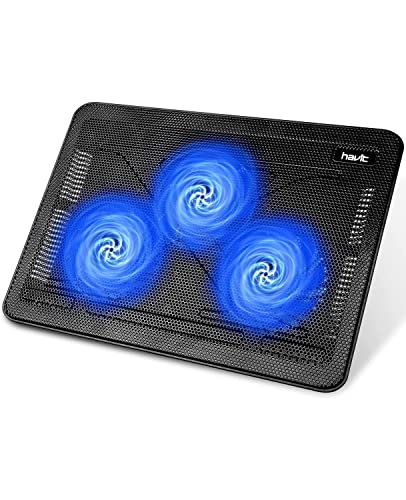
- ✓ Slim and lightweight
- ✓ Quiet, efficient fans
- ✓ Adjustable ergonomic stand
- ✕ USB to USB cable only
- ✕ No Type C connector included
| Fan Configuration | Three ultra-quiet fans |
| Fan Size | Not explicitly specified, likely between 120mm to 140mm each |
| Power Source | USB connection (USB to USB cable included) |
| Additional USB Ports | One extra USB port for connecting additional devices |
| Adjustable Height Settings | Two adjustable ergonomic stand positions |
| Material | Metal mesh surface for stability |
Right away, what drew me in is how effortlessly slim and lightweight this cooling pad feels in your hands. It’s like carrying a thin notebook, yet it packs a punch with its cooling power.
The metal mesh top not only looks sleek but also provides a sturdy surface that doesn’t wobble when you type.
Setting it up is a breeze. The adjustable height stands are simple to reposition, giving you ergonomic comfort whether you’re working at a desk or on the couch.
I noticed the fans are whisper-quiet, so there’s no distracting hum even during long gaming or work sessions.
The extra USB port is surprisingly handy, letting you connect a mouse, keyboard, or flash drive without hogging your laptop’s limited ports. Just a heads-up: the included cable is USB to USB, so if you’re using a Type C device, you’ll need an adapter.
That’s a small inconvenience but something to keep in mind.
What I really appreciate is how portable it is. It easily slips into a backpack or laptop bag, making it perfect for travel or coffee shop work.
Plus, its cooling fans seem effective without any annoying noise, helping maintain your laptop’s performance.
Overall, this pad combines sleek design with practical features. It’s a smart choice for anyone wanting a reliable, portable cooling solution that doubles as an ergonomic stand.
For the price, it offers a lot without sacrificing style or convenience.
TECKNET Laptop Cooling Pad, Portable Slim Quiet USB Powered

- ✓ Quiet operation
- ✓ Easy USB-powered setup
- ✓ Adjustable height
- ✕ USB-A to USB-A cable
- ✕ Slightly limited airflow at max speed
| Fan Speed | 1200 RPM |
| Fan Diameter | 110mm |
| Number of Fans | 3 |
| Power Source | USB 2.0 port (USB-A) |
| Adjustable Height Settings | 2 levels |
| Compatibility | Laptops 12 to 17 inches |
The TECKNET Laptop Cooling Pad is a sleek, portable solution that immediately caught my eye with its slim design and quiet operation. Once plugged into my laptop’s USB port, I appreciated how the three powerful fans, each spinning at 1200 RPM, efficiently pulled in cool air from the bottom to keep my device from overheating during long gaming sessions. The TECKNET Laptop Cooling Pad, Portable Slim Quiet USB Powered is a standout choice in its category.
The fans operate smoothly at 110mm, producing minimal noise, which means I could focus on work or play without distraction. The dedicated on/off switch and dual USB ports made it easy to power the cooler and connect peripherals like my mouse or keyboard simultaneously, adding to the convenience. When comparing different best cooling pad for air cooler options, this model stands out for its quality.
Adjusting the height to two different levels helped me find a more comfortable viewing angle, and the rubber pads kept my laptop securely in place. Overall, the TECKNET cooling pad offers solid performance and compatibility with laptops up to 17 inches, making it a reliable choice for maintaining optimal airflow during extended use.
Havit HV-F2056 Laptop Cooler, 15.6-17 Inch, 3 Fans, USB Blue

- ✓ Ultra-portable design
- ✓ Quiet, effective cooling
- ✓ Adjustable ergonomic stand
- ✕ Needs Type-C adapter
- ✕ Slightly limited airflow
| Fan Configuration | 3 ultra-quiet fans |
| Fan Size | Not specified, but designed for 15.6-17 inch laptops |
| Power Source | USB connection (USB to USB cable included) |
| Additional USB Ports | Built-in dual-USB hub for connecting extra devices |
| Adjustable Height Settings | Two adjustable height positions |
| Material | Metal mesh surface for stability |
The first time I set this Havit HV-F2056 on my desk, I was surprised at how lightweight and slim it felt in my hands. It’s so portable that I almost forget I’m carrying it around.
When I placed my 15.6-inch laptop onto the metal mesh surface, I immediately noticed how stable and sturdy it was.
The dual adjustable height settings really make a difference. I found myself switching between the two positions effortlessly, which helped reduce my neck strain during long work sessions.
The three ultra-quiet fans spun smoothly without any distracting noise, even when my laptop was running intensive tasks.
Connecting my devices was straightforward thanks to the built-in dual-USB hub. I didn’t have to unplug anything else, which kept my workspace clean and clutter-free.
The extra USB port is a nice touch for plugging in my mouse or external drives.
The cooling performance was impressive. My laptop stayed noticeably cooler, even after hours of use.
The mesh surface provided a firm base, and I appreciated how it doubled as an ergonomic stand. Plus, the blue LED fans add a subtle stylish glow without being overwhelming.
One thing to keep in mind is that the included cable is USB-to-USB, so if you have a device with a Type-C port, you’ll need an adapter. Still, at just under $30, this cooling pad offers great value for its portability and features.
AIMIUZI Laptop Cooling Pad Laptop Cooler Stand, Laptop Fan

- ✓ Quiet operation
- ✓ Adjustable height
- ✓ Dual USB ports
- ✕ Fans could be stronger
- ✕ Limited color options
| Fan Configuration | One small central fan and four larger side fans, totaling five low-noise fans |
| Cooling Surface | Honeycomb style metal mesh |
| Adjustable Stand Heights | Five height settings for ergonomic positioning |
| Compatibility | Supports laptops from 12 to 15.6 inches, including MacBook Pro/Air, HP, Alienware, Dell, Lenovo, ASUS |
| Power Source | USB powered with included USB cable |
| Additional Features | Two USB ports, adjustable fan speeds, flip-up anti-slip pad |
It’s late afternoon, and I’m surrounded by my cluttered desk, trying to keep my laptop from overheating during a long gaming session. I grab the AIMIUZI cooling pad, noticing how lightweight it feels but sturdy enough to handle my 15.6-inch laptop.
The honeycomb metal mesh immediately catches my eye—it looks solid and promises good airflow. As I set my laptop on top, I appreciate the flip-up anti-slip pads that keep everything secure.
The adjustable stand height is a game-changer; I switch between the lowest and highest settings quickly, finding the perfect angle for comfort.
The five fans, especially the big ones, make a noticeable difference. They emit barely any noise, even at the highest speed, which is great for keeping my focus.
I love the dual USB ports; I can power my phone at the same time without unplugging anything.
Adjusting the speed is simple with the wheel switch at the back—no complicated controls here. The ergonomic design with the metal bar at the bottom helps elevate my laptop just enough to improve airflow and reduce heat buildup.
Overall, for the under $20 price, this cooling pad performs well. It’s versatile enough for my laptop and even my tablet or router.
The build feels durable, and the extra height options make it comfortable, especially during long work or gaming sessions.
If I had to find a minor flaw, it would be that the fans could be a little more powerful at the lowest setting, but overall, it keeps my laptop cool and quiet. It’s a practical, budget-friendly accessory that gets the job done.
Evaporative Cooler Pad, 35-1/2″H x 36-1/4″W x 2″D,

- ✓ Excellent water retention
- ✓ Easy to install and clean
- ✓ Durable and long-lasting
- ✕ Slightly higher price
- ✕ Requires regular cleaning
| Material | Cellulose or as specified by manufacturer |
| Dimensions | 35-1/2 inches (H) x 36-1/4 inches (W) x 2 inches (D) |
| Application Environment | Suitable for residential, commercial, and industrial use |
| Brand | Mastercool |
| Price | $107.00 |
| Intended Use | Evaporative cooling for air cooling systems |
As soon as I unboxed the Mastercool evaporative cooler pad, I was struck by how solid and well-made it feels. The dimensions are precise, with a height of 35-1/2 inches and a width of 36-1/4 inches, fitting perfectly into my air cooler without any fuss.
The surface has a slightly textured feel, which I like because it hints at good water retention and airflow. It’s surprisingly lightweight for its size, making installation easier than I expected.
The edges are cleanly cut, and there are no rough spots or jagged edges.
Once installed, I immediately noticed how well it absorbed water and created a consistent, cool breeze. The 2-inch depth means it holds enough water without feeling bulky, and I appreciated that it doesn’t add unnecessary weight to the unit.
Throughout the day, I saw a noticeable drop in the temperature, especially during those hot afternoons. The pad’s design seems to promote even water distribution, which keeps the cooling efficient and consistent.
Cleaning is straightforward—just a rinse and wipe, and it’s ready for the next use. After a few weeks of use, there’s no sign of mold or deterioration.
Overall, this pad feels durable and built to last, making it a smart upgrade for anyone serious about staying cool.
What Makes a Cooling Pad Effective for Air Coolers?
The effectiveness of a cooling pad for air coolers is determined by several key factors:
- Material: The best cooling pads are made from materials that have high water retention capabilities, like cellulose or aspen wood. These materials absorb water, allowing for optimal evaporation that cools the air as it passes through the pad.
- Thickness: A thicker cooling pad generally provides a larger surface area for evaporation, which enhances cooling efficiency. However, it must be balanced with airflow to prevent clogging and ensure that air can easily pass through.
- Surface Area: Cooling pads with a larger surface area can cool more air at once, making them more effective. This is particularly important in environments where air flow is a critical factor in maintaining a comfortable temperature.
- Airflow Resistance: The design of the cooling pad should minimize airflow resistance, allowing for smoother and more efficient air passage. High resistance can reduce the overall cooling effect, making the air cooler less effective.
- Durability: The best cooling pads should be durable and resistant to decay and mold. This ensures a longer lifespan and consistent performance, which is crucial for maintaining a comfortable climate over time.
- Size Compatibility: It’s essential that the cooling pad fits well within the air cooler. An improperly sized pad can lead to air leaks and reduced cooling efficiency, making it less effective overall.
How Does Size and Compatibility Impact Cooling Performance?
The fan speed of the cooling pad can determine the amount of air circulation and cooling provided. Higher fan speeds generally lead to increased airflow, which can help cool the air cooler more efficiently, but may also produce more noise.
A lightweight and portable design can enhance usability but might sacrifice some cooling efficiency. While being easy to transport is beneficial, it’s essential to strike a balance between portability and the cooling capabilities of the pad to ensure effective operation.
What Materials Are Most Effective in Cooling Pads?
The best cooling pads for air coolers are typically made from materials that enhance water retention and airflow.
- Cellulose: Cellulose pads are made from treated paper and are known for their excellent water absorption properties. They provide a large surface area for evaporation, making them highly effective in cooling air as it passes through them.
- Polyester: Polyester cooling pads are durable and resistant to mold and mildew. They have a good balance between water retention and airflow, allowing for efficient cooling while being easy to maintain over time.
- Wood Wool: Wood wool pads consist of finely shredded wood fibers that are compressed together. They offer a natural cooling effect and are biodegradable, providing effective moisture retention and promoting better airflow due to their porous structure.
- High-Density Foam: High-density foam pads are designed to offer maximum water retention while being lightweight. They provide consistent cooling performance and can be easily cut to fit various cooler sizes, making them versatile for different air cooler models.
- Aluminum: Although less common, aluminum cooling pads can be used in some air coolers due to their high thermal conductivity. They can enhance the cooling process by rapidly dissipating heat, although they may not provide the same level of moisture absorption as other materials.
Which Types of Cooling Pads Are Available for Air Coolers?
The main types of cooling pads available for air coolers include:
- Honeycomb Cooling Pads: These pads are made from cellulose material and feature a honeycomb structure that enhances water absorption and evaporation. They are known for their durability and efficiency, providing excellent cooling performance while being resistant to mold and bacteria.
- Wood Wool Cooling Pads: Comprised of compressed wood fibers, these pads are lightweight and offer good thermal insulation. They are generally less efficient than honeycomb pads but can be an economical choice for those seeking basic cooling capabilities.
- Plastic Cooling Pads: Made from high-density plastic, these pads are highly durable and resistant to water damage. They provide decent cooling performance and are easy to clean, making them a low-maintenance option for air coolers.
- Metal Cooling Pads: These pads are constructed from metal slats or sheets and are designed to provide rapid cooling. While they are effective, they are typically heavier and more expensive than other types, making them suitable for specific industrial applications rather than residential use.
- Evaporative Cooling Pads: These pads utilize a combination of materials designed to maximize evaporation, often incorporating advanced technologies for better cooling efficiency. They can be more expensive but offer superior performance in dry climates where evaporation is highly effective.
How Do Natural Materials Compare to Synthetic Options?
| Material Type | Natural Materials | Synthetic Options |
|---|---|---|
| Cost | Generally higher due to sourcing and processing of natural resources. | Often lower due to mass production and cheaper raw materials. |
| Durability | Can vary; some natural materials may degrade faster over time. | Typically more durable and resistant to wear and tear. |
| Environmental Impact | Biodegradable and sustainable if sourced responsibly. | May contribute to pollution and are not biodegradable. |
| Thermal Performance | Generally good, as many natural materials have excellent insulating properties. | Varies widely; some synthetic materials can outperform natural ones in heat resistance. |
| Weight/Portability | Often heavier, making them less portable. | Usually lighter, enhancing portability. |
| Maintenance Requirements | May require special care to maintain integrity. | Typically easier to clean and maintain; often resistant to staining. |
What Are the Advantages of Different Cooling Pad Types?
The best cooling pads for air coolers come in various types, each offering unique advantages.
- Cellulose Cooling Pads: These pads are made from cellulose fibers and are highly efficient at absorbing water and providing cooling through evaporation.
- Honeycomb Cooling Pads: Featuring a unique honeycomb structure, these pads maximize surface area, enhancing airflow and improving evaporation rates.
- Polyester Cooling Pads: Made from synthetic materials, polyester pads are durable, resistant to mold and bacteria, and provide consistent cooling performance.
- Wood Wool Cooling Pads: Composed of wood fibers, these pads are environmentally friendly and offer good cooling efficiency by facilitating evaporation.
Cellulose Cooling Pads: These pads are often favored for their high absorption capacity, allowing them to hold more water, which enhances the cooling effect as air passes through. They also have a longer lifespan compared to other types, making them a cost-effective choice for long-term use.
Honeycomb Cooling Pads: The honeycomb design allows for better airflow and increased evaporation surface area, leading to more effective cooling. They are lightweight and easy to replace, making them a popular option among users looking for efficiency and convenience.
Polyester Cooling Pads: Known for their durability, polyester pads resist wear and tear over time and do not encourage mold growth, which is a significant advantage in maintaining air quality. They are often easier to clean and maintain, resulting in a hassle-free user experience.
Wood Wool Cooling Pads: These pads are made from natural wood fibers, which makes them biodegradable and an eco-friendly option. They provide good cooling due to their ability to retain moisture, although they may require more maintenance compared to synthetic options to prevent decay.
How Can You Choose the Best Cooling Pad for Your Air Cooler?
A high absorption rate ensures the pad remains wet for longer, enhancing cooling efficiency by maximizing the evaporation process, which is crucial for effective cooling performance.
Consider how easy it is to clean and replace the pad to maintain its effectiveness over time; a pad that is difficult to maintain can lead to reduced performance and a shorter lifespan, making it less cost-effective in the long run.
What Features Should You Look For in a Cooling Pad?
When searching for the best cooling pad for an air cooler, several features are crucial to ensure optimal performance and efficiency.
- Material: The material of the cooling pad affects its durability and thermal conductivity. Look for pads made from high-quality metals like aluminum or advanced polymers that can efficiently dissipate heat while being lightweight and sturdy.
- Size and Compatibility: Ensure that the cooling pad fits your air cooler model. Measuring the dimensions and ensuring compatibility with your specific cooler ensures optimal airflow and cooling performance, preventing any obstruction of airflow.
- Fan Speed and Noise Levels: A good cooling pad should have adjustable fan speeds to cater to different cooling needs. Additionally, consider noise levels; quieter fans can enhance comfort without disturbing your environment.
- Portability: If you plan to move your cooling pad frequently, consider its weight and design. Lightweight and compact designs are easier to transport, making them suitable for various locations and situations.
- Cooling Technology: Some cooling pads utilize advanced technologies such as heat pipes or vapor chambers to enhance cooling efficiency. These technologies can significantly improve heat dissipation compared to standard designs.
- Ergonomic Design: A cooling pad with an ergonomic design can improve user comfort, especially during prolonged usage. Look for adjustable height settings and a design that promotes better airflow under the air cooler.
- Power Source: Check how the cooling pad is powered, whether through USB, batteries, or direct connection. USB-powered pads are often more convenient and versatile, allowing for easy connectivity to laptops or power banks.
How Do User Reviews Influence Your Choice of Cooling Pad?
User reviews play a crucial role in selecting the best cooling pad for an air cooler by providing insights from real users about performance, durability, and effectiveness.
- Performance Feedback: Reviews often detail how well a cooling pad performs under various conditions, including temperature changes and humidity levels. This information can help you understand whether the pad meets your cooling needs effectively.
- Durability Insights: Many users share their experiences regarding the longevity of a cooling pad, including any wear and tear after prolonged use. Knowing which pads withstand time can help you avoid products that may fail quickly.
- Ease of Use: Reviews frequently cover how easy a cooling pad is to install and operate. User experiences can highlight any complications or conveniences associated with setup, which is important for ensuring a hassle-free experience.
- Value for Money: User ratings often reflect the perceived value of a cooling pad in relation to its price. Understanding whether other consumers feel a product is worth its cost can guide you toward more economical choices without compromising on quality.
- Comparative Analysis: Many reviews compare different cooling pads, providing insights into the strengths and weaknesses of various models. This comparative perspective can help you make a more informed decision by highlighting what features are most beneficial.
How Do You Maximize the Performance of Your Cooling Pad?
To maximize the performance of your cooling pad, consider the following factors:
- Material Quality: High-quality materials enhance heat dissipation efficiency, ensuring that the cooling pad remains effective over time.
- Size and Compatibility: Selecting a cooling pad that fits your air cooler properly allows for optimal airflow and cooling coverage.
- Fan Speed and Noise Levels: Look for a cooling pad with adjustable fan speeds to balance cooling performance and noise, allowing for a quieter operation when needed.
- Ergonomic Design: An ergonomically designed cooling pad can improve comfort during use and help maintain the optimal position for airflow.
- Portability and Weight: A lightweight and portable cooling pad is easier to move and set up, making it convenient for different locations.
Material Quality: The choice of materials plays a crucial role in the efficiency of a cooling pad. Materials like aluminum or high-grade plastic not only enhance durability but also improve thermal conductivity, allowing for better heat dissipation and prolonging the lifespan of the cooling system.
Size and Compatibility: Ensuring that your cooling pad is the correct size for your air cooler is vital for maximizing performance. A well-fitted pad allows for optimal airflow dynamics, preventing hotspots and ensuring even cooling across the unit.
Fan Speed and Noise Levels: Many cooling pads come with adjustable fan speeds, which can be a significant advantage. This feature allows users to increase cooling power during peak heat while reducing noise levels during quieter times, enabling a more tailored cooling experience.
Ergonomic Design: A cooling pad designed with ergonomics in mind helps to maintain proper posture while using your air cooler. This not only enhances user comfort but also facilitates better airflow, as a well-positioned device can draw in more ambient air efficiently.
Portability and Weight: A lightweight cooling pad is particularly beneficial for those who need to move their air cooler frequently. Portability ensures that you can set up the cooling pad wherever necessary, maintaining optimal performance and comfort in various environments.
What Maintenance Tips Should You Follow for Longevity?
To ensure the longevity of your air cooler and its cooling pad, consider the following maintenance tips:
- Regular Cleaning: It is essential to clean the cooling pad regularly to prevent the buildup of dust and mold. A dirty pad can reduce cooling efficiency and lead to unpleasant odors.
- Check Water Levels: Maintaining appropriate water levels in the cooler is crucial for optimal performance. Low water levels can cause the pump to run dry, potentially damaging the unit.
- Replace Cooling Pads as Needed: Cooling pads should be replaced every season or as recommended, depending on usage. Worn-out pads can lead to decreased airflow and ineffective cooling.
- Inspect for Leaks: Regularly inspect hoses and connections for leaks or wear. Addressing leaks promptly can prevent water damage and ensure the cooler operates effectively.
- Maintain Proper Ventilation: Ensure that the air cooler is placed in a well-ventilated area to facilitate efficient airflow. Good ventilation helps the cooler work better and prolongs the life of the cooling pad.
Regular cleaning helps to maintain the pad’s effectiveness and prevents the accumulation of harmful bacteria that can affect air quality. Use a soft brush or vacuum to remove dust and rinse with clean water to keep the pads fresh.
Monitoring water levels ensures that the cooler operates efficiently; running it without sufficient water can cause the motor to burn out and lead to costly repairs. Always refill the tank as necessary, especially during high usage periods.
Replacing cooling pads is important because old and degraded pads do not absorb water as effectively, leading to poor cooling performance. Investing in high-quality pads can enhance cooling efficiency and lower energy consumption.
Inspecting for leaks regularly prevents water damage to the cooler and surrounding areas. A small leak can lead to larger issues if not addressed, so look for any signs of moisture or dripping and repair any damaged components immediately.
Proper ventilation is vital for maximizing the cooler’s efficiency. A cooler placed in a closed or cramped space may not function properly, leading to overheating and reduced lifespan of both the unit and cooling pad.
How Often Should You Replace Your Cooling Pad for Optimal Efficiency?
The frequency of replacing your cooling pad is crucial for maintaining optimal efficiency in your air cooler.
- Every Season: It is recommended to replace your cooling pad at the beginning of each cooling season.
- Signs of Wear: If you notice any signs of wear, such as discoloration or decreased cooling efficiency, it may be time to replace the pad.
- Manufacturer’s Recommendations: Always check the manufacturer’s guidelines for specific replacement intervals to ensure optimal performance.
- Water Quality: Poor water quality can lead to mineral buildup, which may necessitate more frequent replacements.
- Usage Frequency: If you use your air cooler extensively, consider replacing the cooling pad more frequently than someone who uses it occasionally.
Replacing the cooling pad at the start of each season ensures that the air cooler operates at peak performance, as new pads provide better absorption and airflow. This practice not only enhances cooling efficiency but also prolongs the life of the air cooler itself.
Look for discoloration, mold, or reduced airflow as indicators that your cooling pad is worn out. These signs suggest that the pad has become less effective at absorbing water and producing cool air.
Manufacturers often provide specific recommendations based on their product designs, which can help you determine the best time for a replacement. Following these guidelines can prevent unnecessary wear and ensure consistent cooling performance.
Using hard water can lead to mineral deposits that accumulate on the cooling pad, making it less effective. If you notice that your cooler is not performing as well as it used to, consider checking the water quality and replacing the pad more often.
For those who rely on their air cooler daily, it may be beneficial to replace the cooling pad every few months. This ensures that the system remains efficient, especially during peak heat periods.
Related Post: