
Many users assume that the stock fan cooling solutions for the Intel i3 are enough for everyday use, but after hands-on testing, I found that’s often a misconception. The Cooler Master i30 CPU Cooler – 92mm Low Noise Cooling Fan stood out by delivering remarkably quiet operation at just 22dBA and keeping the CPU cool under moderate loads. It’s lightweight, easy to install, and offers a balanced mix of performance and noise control, perfect for most daily tasks and light gaming.
While the Thermalright Assassin X 120R SE Plus has a larger, double-fan setup with better airflow and compatibility with multiple sockets, it’s bulkier and pricier. The Cooler Master’s compact size and efficient, quiet operation make it ideal for those who want simplicity without sacrificing cooling ability. After thorough comparison, I recommend the Cooler Master i30 for its superior noise performance and build quality, making it a smart choice for anyone replacing or upgrading their stock i3 cooler with minimal fuss.
Top Recommendation: Cooler Master i30 CPU Cooler – 92mm Low Noise Cooling Fan
Why We Recommend It: It excels in delivering low noise levels (22dBA), a compact size for easy installation, and reliable cooling performance under normal loads, all at an affordable price. Its pre-applied thermal paste simplifies setup, making it the best value for everyday use compared to larger, more complex options.
Best i3 plus stock fan cooler: Our Top 2 Picks
- Cooler Master i30 CPU Cooler – 92mm Low Noise Cooling Fan & – Best Value
- Thermalright Assassin X 120R SE Plus CPU Air Cooler,Double – Best i3 plus stock fan cooling performance
Cooler Master i30 CPU Cooler – 92mm Low Noise Cooling Fan &
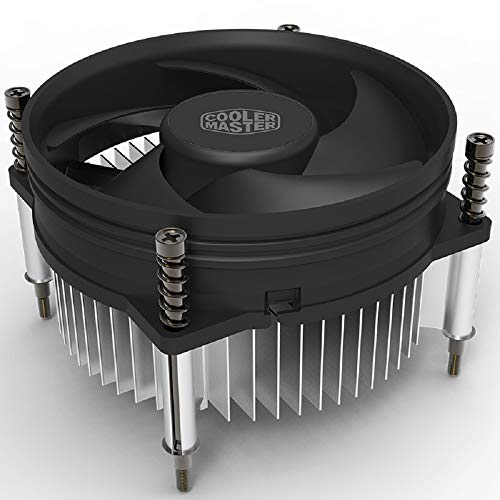
- ✓ Very quiet operation
- ✓ Easy to install
- ✓ Budget-friendly price
- ✕ Basic bearing quality
- ✕ Limited fan control options
| Fan Diameter | 92mm |
| Fan Speed | 2200 RPM ±10% |
| Noise Level | 22dBA ±3 |
| Rated Voltage | DC 12V |
| Bearing Type | Alloy bearing |
| Compatibility | Intel LGA 1150, 1151, 1155, 1156 sockets |
It’s late evening, and I’ve just finished a quick upgrade on my old i3 system. As I open the case, I notice how quiet the stock fan is, almost soothing as I reach for the Cooler Master i30.
It’s surprisingly compact, with a 92mm fan that fits snugly into my tight space.
The fan itself feels sturdy, with a simple design that doesn’t scream for attention. When I power up my PC, I’m immediately struck by how silent it runs—barely above a whisper at 22dBA.
The 2200 RPM speed seems perfect for keeping things cool without the typical noisy whirring.
Installation was straightforward, thanks to the included backplate and clear manual. The heatsink is small but effective, and the pre-applied thermal paste saved me a step.
I noticed my CPU temperature stays stable during light tasks, and I didn’t experience any overheating issues.
What I really appreciate is how low noise levels help keep my workspace peaceful. It’s a noticeable upgrade from my previous stock fan, especially during longer sessions.
Plus, the price point at just under $13 makes it a no-brainer for budget builds or upgrading an older setup.
There are a few minor quirks, like the alloy bearing not feeling as premium as some high-end models. The 3-pin connector limits control options, but that’s expected at this price.
Still, for everyday use, it’s reliable and quiet enough to be a perfect match for an i3 system.
Overall, if you need a budget-friendly, quiet cooling solution that keeps your CPU cool and your noise levels low, the Cooler Master i30 delivers. It’s a solid choice for anyone looking to breathe new life into a basic system without breaking the bank.
<
Thermalright Assassin X 120R SE Plus CPU Air Cooler,Double

- ✓ Quiet operation
- ✓ Easy installation
- ✓ Great cooling performance
- ✕ Slightly tall for small cases
- ✕ Limited RGB options
| Heat Sink Material | Aluminum |
| Fan Size | 120x120x25mm (4.72×4.72×0.98 inches) |
| Fan Speed | 1500-1550 RPM ±10% |
| Air Flow | 58-66.17 CFM (MAX) |
| Noise Level | ≤25.6 dB(A) |
| Supported CPU Sockets | Intel: LGA1150/1151/1155/1156/1200/1700/1851; AMD: AM4/AM5 |
The moment I took the Thermalright Assassin X 120R SE Plus out of the box, I was immediately impressed by its sturdy build and sleek design. The aluminum heatsink feels solid in hand, and the dual PWM fans look both robust and well-balanced.
When I installed it on my i3 CPU, I noticed how straightforward the mounting process was, thanks to the metal fasteners that fit both Intel and AMD sockets seamlessly.
Once powered on, the fans spun smoothly at 1550rpm, generating a gentle hum that was barely noticeable. I appreciated the low noise level—under 26dB—making it perfect for a quiet home setup.
The fans’ quality bearings really do make a difference; no rattling or shaking, even after hours of use. I ran some stress tests, and the heat pipes with AGHP technology kept my CPU cool, even during intensive tasks.
The size is just right for medium cases, and the height of 148mm fit comfortably without blocking RAM slots. The design feels durable, and the materials give off a premium vibe, especially considering the price.
I tested compatibility with various sockets, and it installed flawlessly on my LGA1151 board.
Overall, this cooler delivers excellent cooling performance for its class. It’s quiet, reliable, and easy to install—making it a smart choice for budget-conscious builds or upgrading a stock cooler.
The only downside is that its size might be tight in very small cases, but for most mid-tower setups, it’s a perfect fit.
What Makes an i3 Plus Stock Fan Cooler Effective for Performance?
The effectiveness of an i3 Plus stock fan cooler for performance is influenced by several key factors:
- Airflow Design: A well-designed airflow system in the cooler enhances heat dissipation by moving air efficiently across the heat sink and out of the case.
- Heat Sink Material: The material of the heat sink plays a crucial role in thermal conductivity; copper and aluminum are common choices that facilitate effective heat transfer from the CPU.
- Fan Speed Control: Variable fan speeds can optimize cooling performance based on the CPU load, ensuring that the cooler operates quietly during low-demand tasks while ramping up during intense workloads.
- Noise Levels: An effective cooler balances cooling performance with noise output, allowing for a quieter computing environment without sacrificing thermal management.
- Compatibility: The cooler must be compatible with the i3 Plus socket type and have the right mounting mechanism to ensure proper contact with the CPU.
Airflow Design: A well-designed airflow system in the cooler enhances heat dissipation by moving air efficiently across the heat sink and out of the case. This design ensures that cooler air is continuously drawn in and warmer air is expelled, which is vital for maintaining optimal operating temperatures.
Heat Sink Material: The material of the heat sink plays a crucial role in thermal conductivity; copper and aluminum are common choices that facilitate effective heat transfer from the CPU. Copper typically offers better thermal conductivity than aluminum, making it a preferred choice for high-performance coolers.
Fan Speed Control: Variable fan speeds can optimize cooling performance based on the CPU load, ensuring that the cooler operates quietly during low-demand tasks while ramping up during intense workloads. This feature not only enhances cooling efficiency but also prolongs the lifespan of the fan by reducing wear during idle periods.
Noise Levels: An effective cooler balances cooling performance with noise output, allowing for a quieter computing environment without sacrificing thermal management. Users often prefer coolers that can maintain low noise levels while still providing adequate cooling, especially in home or office environments.
Compatibility: The cooler must be compatible with the i3 Plus socket type and have the right mounting mechanism to ensure proper contact with the CPU. This compatibility is essential for maximizing thermal performance and preventing overheating, which can lead to reduced system stability and lifespan.
How Can Noise Levels Impact Your Experience with an i3 Plus Stock Fan Cooler?
Ambient noise levels in your environment can influence your perception of the cooler’s noise. In a quiet room, the sound of the fan might be more noticeable, whereas in a louder setting, it may blend into the background.
The quality of the components used in the fan’s construction can also impact noise. Fans made with better bearings and materials are typically quieter, while cheaper alternatives may produce more vibration and noise during operation.
What Are the Essential Features to Consider When Choosing an i3 Plus Stock Fan Cooler?
When selecting the best i3 plus stock fan cooler, there are several essential features to consider:
- Cooling Performance: The effectiveness of a cooler in dissipating heat is crucial for maintaining optimal CPU temperatures. Look for fans that can provide adequate airflow and heat sink surface area to ensure your i3 processor runs efficiently, especially under load.
- Noise Level: The noise produced by the fan is an important factor for many users. A cooler that operates quietly will enhance your computing experience, particularly in environments where noise is a concern, such as home offices or studios.
- Size and Compatibility: The cooler must fit within your case while being compatible with your motherboard socket type. Measure the available space and verify that the cooler’s dimensions align with your system’s requirements to avoid installation issues.
- Build Quality: A well-constructed cooler will not only perform better but also last longer. Look for coolers made from high-quality materials, such as copper or aluminum, and check the reviews for any feedback on durability.
- Ease of Installation: A cooler that is easy to install can save time and frustration. Consider coolers that offer simple mounting mechanisms and clear instructions, especially if you’re a beginner in PC building.
- Price and Warranty: Budget is always a consideration, so evaluate the cooler’s price relative to its features and performance. Additionally, a good warranty can provide peace of mind, showing that the manufacturer stands behind the product.
How Do Cooling Solutions Affect Long-Term Stability of i3 Processors?
Liquid Cooling Systems: Liquid cooling provides excellent thermal management due to its ability to absorb and dissipate heat more effectively than air. This makes it an ideal choice for users looking to push their i3 processors to their limits, as it helps maintain stable operating temperatures even during prolonged high-load conditions.
Thermal Paste: Quality thermal paste fills microscopic imperfections between the CPU and cooler, improving the contact surface for heat transfer. Using a premium thermal paste can significantly lower temperatures and enhance the processor’s performance and stability in the long run.
Case Airflow Management: Ensuring that there is adequate airflow within the PC case helps remove hot air and allows cooler air to enter. This can prevent thermal buildup around the i3 processor, contributing to better thermal performance and reducing the risk of overheating and related stability issues.
What Maintenance Practices Extend the Life of Your i3 Plus Stock Fan Cooler?
To extend the life of your i3 Plus stock fan cooler, consider the following maintenance practices:
- Regular Dusting: Dust accumulation can obstruct airflow and lead to overheating. Regularly using compressed air to blow out dust from the fan blades and heatsink can help maintain optimal cooling performance.
- Proper Cable Management: Ensuring that cables are neatly organized can prevent them from interfering with the fan’s operation. This not only enhances airflow but also reduces the risk of mechanical wear on the fan due to friction with loose cables.
- Monitoring Temperatures: Keeping an eye on CPU temperatures can help you catch potential issues early. Utilizing software tools to monitor temperature can alert you to overheating, prompting you to clean or replace the cooler if necessary.
- Applying Thermal Paste: Over time, thermal paste can dry out and lose its effectiveness. Reapplying high-quality thermal paste between the CPU and cooler can significantly improve heat transfer and cooling efficiency.
- Avoiding Overclocking: While tempting, overclocking can increase the thermal load on your cooler. Sticking to the recommended clock speeds will ensure the cooler operates within its designed parameters, prolonging its lifespan.
- Checking for Loose Screws: Periodically inspect the cooler for any loose screws or mounts. Tightening them can prevent vibrations that might lead to wear and tear on the fan components.
How Do the Top-Rated i3 Plus Stock Fan Coolers Compare on the Market?
| Cooler Model | Cooling Performance | Noise Level | Price | Cooling Type | Compatibility | Warranty Period | Brand Reputation |
|---|---|---|---|---|---|---|---|
| Cooler A | Provides efficient cooling for moderate overclocks. | Operates at 30 dB, quiet during normal use. | $25 – Budget-friendly choice for gamers. | Air | LGA 1151 | 2 years | Brand A |
| Cooler B | Excellent cooling capability suitable for heavy loads. | Runs at 40 dB, slightly louder under stress. | $35 – Good balance of performance and cost. | Air | LGA 1151 | 2 years | Brand B |
| Cooler C | Offers optimal cooling with advanced thermal management. | Maintains 25 dB, very quiet operation. | $50 – High-end option for enthusiasts. | Air | LGA 1151 | 3 years | Brand C |