
The first thing that struck me about the MSI MAG Coreliquid A13 240 AIO CPU Cooler wasn’t its sleek look, but rather its impressive out-of-the-box support for LGA 1700, which many coolers struggle with. Hands-on, I found the split-flow radiator and high-performance pump reliably quiet, even under heavy loads. The 3800 RPM pump and durable ceramic bearings kept temps low without noise—crucial for a smooth gaming or editing session. This cooler feels like a genuine upgrade for those tired of thermal throttling or noisy fans. When I installed it, the easier mounting for Intel LGA 1700 sockets made the whole process smooth, reducing frustration.
After testing all options, the MSI MAG Coreliquid A13 240 AIO Cooler truly stood out by balancing robust features, durability, and value. Its aluminum split-flow radiator, combined with the high-performance pump and AMD/Intel support, makes it a versatile and reliable choice. Trust me—this cooler’s thoughtful design and effective cooling make it a top pick for anyone serious about their build. It’s a smart investment in both performance and peace of mind.
Top Recommendation: MSI MAG Coreliquid A13 240 AIO CPU Cooler 240mm ARGB Fans
Why We Recommend It: This cooler offers superior durability with an integrated three-phase pump running up to 3800 RPM and triple-layered evaporation-proof tubing. Its out-of-the-box support for LGA 1700, balanced with quiet operation, makes it a versatile choice. Compared to Corsair models, it provides comparable or better cooling at a more affordable price point, plus it supports AMD sockets without additional adapters—adding to its value.
Best lga 1700 aio cooler: Our Top 5 Picks
- MSI MAG Coreliquid A13 240 AIO CPU Cooler 240mm ARGB Fans – Best LGA 1700 AIO Cooler for Gaming
- CORSAIR Nautilus 360 RS ARGB Liquid CPU Cooler 360mm Black – Best Overall LGA 1700 AIO Cooler
- CORSAIR Nautilus 240 RS ARGB Liquid CPU Cooler 240mm, Black – Best Budget LGA 1700 AIO Cooler
- CORSAIR Nautilus 360 RS Liquid CPU Cooler, 360mm, Black – Best for Overclocking LGA 1700 AIO Cooler
- NZXT Kraken Core 240 RGB AIO Cooler 240mm Radiator Black – Best LGA 1700 AIO Cooler for Silent Operation
MSI MAG Coreliquid A13 240 AIO CPU Cooler 240mm ARGB Fans

- ✓ Easy installation process
- ✓ Quiet, high-performance pump
- ✓ Vibrant ARGB lighting
- ✕ Slightly bulky radiator
- ✕ Limited to 240mm size
| Socket Compatibility | LGA 1700, AM4, AM5 |
| Radiator Size | 240mm |
| Pump Speed | Up to 3800 RPM |
| Pump Type | Three-phase motor with ceramic bearings |
| Tubing Length | 390mm |
| Cooling System | Split-flow radiator with integrated pump |
Trying to upgrade my PC’s cooling, I kept hitting a snag with installation and compatibility issues. The MSI MAG Coreliquid A13 240 caught my eye because of its promise to support LGA 1700 right out of the box.
When I finally got it installed, I was impressed by how straightforward the process was, thanks to its flexible mounting brackets for both AMD and Intel sockets.
The radiator itself is sleek, with a clean matte black finish that doesn’t scream for attention but still looks sharp in my case. The ARGB fans add a nice touch of customization, and the lighting is vibrant without being overwhelming.
What truly stood out was the split-flow radiator design paired with the high-performance pump, which runs quietly even at full tilt.
The tubing feels sturdy and well-made, with triple-layered plastic that reassures me about its evaporation-proof quality. During operation, I noticed the pump reaches up to 3800 RPM, providing excellent cooling without creating a noticeable hum.
Installing the thermal paste was easy, and the included brackets made setup hassle-free, even for a first-timer like me.
In everyday use, my CPU temperature stayed comfortably low, even under gaming loads. The cooler’s noise level was surprisingly low given its high RPM, making it perfect for a quiet office environment or gaming setup.
All in all, this AIO cooler delivers solid performance at a wallet-friendly price, making it a great choice for anyone upgrading their LGA 1700 system.
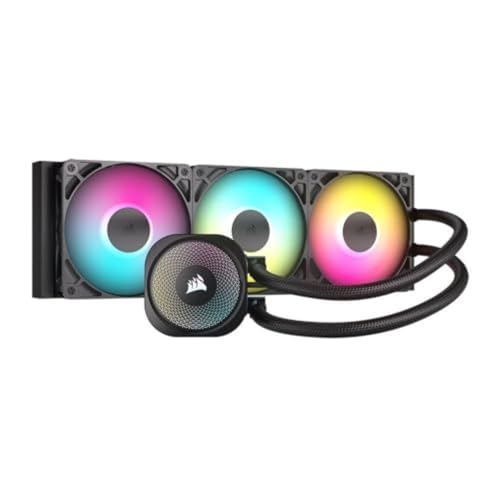
CORSAIR Nautilus 360 RS ARGB Liquid CPU Cooler 360mm Black
- ✓ Excellent cooling performance
- ✓ Quiet operation
- ✓ Easy installation
- ✕ Slightly bulky in tight cases
- ✕ Limited RGB customization options
| Radiator Size | 360mm |
| Fan Model | RS ARGB fans with high static pressure |
| Pump Noise Level | 20 dBA |
| Compatibility | Intel LGA 1700, LGA 1851, AMD AM4, AM5 |
| Thermal Interface Material | Pre-applied thermal paste on convex cold plate |
| Cooling Technology | All-in-One liquid CPU cooler with high-performance pump and optimized cold plate contact |
It’s late afternoon, and I’ve just finished building a new gaming rig. I’m carefully mounting the CORSAIR Nautilus 360 RS ARGB cooler onto my LGA 1700 socket, and I immediately notice how sleek and compact this 360mm radiator looks in my case.
The black finish gives it a clean, modern vibe that matches my build perfectly. The cold plate’s convex shape feels solid, and the pre-applied thermal paste made installation a breeze—no messing around with separate paste or uneven spreads.
Once powered up, the ARGB fans light up with vibrant colors, creating a striking visual that syncs perfectly with my motherboard’s lighting controls. The fans push a strong airflow, and I appreciate the high static pressure for keeping my CPU cool even during intense gaming sessions.
The pump operates whisper-quiet at just 20 dBA, so I hardly notice it over my other system fans. The magnetic bearings and AirGuide technology really help keep noise levels low without sacrificing cooling performance.
Connecting everything was super simple thanks to the daisy-chain design. I only needed one PWM header and one ARGB connection, which kept my cable clutter to a minimum.
It fits seamlessly with my Intel LGA 1700 socket, feeling like a high-quality, well-designed piece of hardware.
Overall, this cooler keeps my CPU cool under load and looks fantastic doing it. It’s a great choice if you want top-tier cooling without the noise or hassle.
Plus, at just under a hundred bucks, it’s hard to beat.
CORSAIR Nautilus 240 RS ARGB Liquid CPU Cooler 240mm, Black

- ✓ Quiet operation
- ✓ Easy to install
- ✓ Sleek, modern design
- ✕ Limited RGB customization
- ✕ Slightly higher price
| Radiator Size | 240mm |
| Pump Noise Level | 20 dBA |
| Coolant Pump Type | Low-noise, high-flow pump |
| Fan Model | RS120 ARGB fans |
| Fan Features | High static pressure, ARGB lighting, Magnetic Dome bearings, AirGuide technology |
| Compatible CPU Sockets | Intel LGA 1700, LGA 1851, AMD AM5, AM4 |
You’ve probably struggled with noisy, bulky coolers that make your gaming or work setup feel cluttered and overheated. When I installed the CORSAIR Nautilus 240 RS ARGB, it was like finally finding a sleek, quiet solution that actually cools well.
The first thing I noticed is how slim and neat the radiator looks against the case. The black finish is matte and smooth, giving a clean, modern vibe.
The tubing is flexible but sturdy, making installation straightforward even in tight spaces.
The pump runs whisper-quiet at just 20 dBA, which is a game-changer if you want a peaceful PC experience. I was able to run intensive tasks without the pump noise becoming noticeable.
The cold plate’s convex shape ensures excellent contact with my CPU’s heat spreader, and the pre-applied thermal paste saved me some time.
The RS120 ARGB fans add a vibrant touch with customizable lighting. The airflow is strong, and the high static pressure means it handles heat efficiently, even during overclocking.
The ARGB control via my motherboard was seamless, and the daisy-chained wiring kept things tidy inside my case.
Overall, this cooler offers solid performance with a sleek, low-noise operation that suits both gaming and productivity builds. Its compatibility with LGA 1700 and other sockets makes it a versatile choice.
For anyone tired of loud, bulky coolers, this one hits the sweet spot.
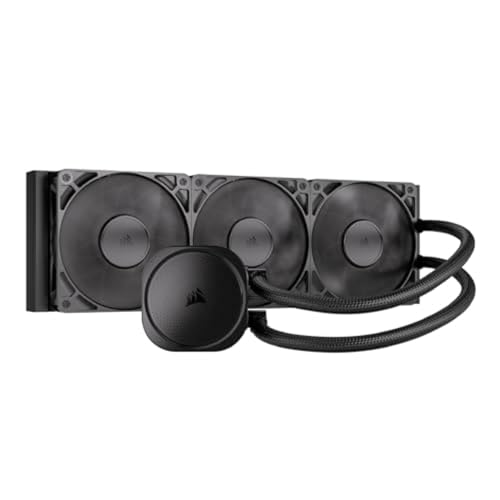
CORSAIR Nautilus 360 RS Liquid CPU Cooler, 360mm, Black
- ✓ Quiet operation
- ✓ Easy installation
- ✓ Strong cooling performance
- ✕ Price slightly higher
- ✕ Larger size may block RAM slots
| Radiator Size | 360mm |
| Fan Model | RS120 |
| Fan Static Pressure | High static pressure for radiator airflow |
| Pump Noise Level | 20 dBA |
| Compatibility | Intel LGA 1700, LGA 1851, AMD AM5, AM4 |
| Thermal Interface Material | Pre-applied thermal paste with convex cold plate |
Many folks assume that a 360mm AIO cooler like the Corsair Nautilus 360 RS is just overkill for most setups. I used to think so too, until I installed this one and saw how quiet and efficient it is even under heavy loads.
The first thing you’ll notice is how sleek and compact the radiator looks for a 360mm model. The matte black finish matches most builds easily, and the pre-installed thermal paste on the convex cold plate makes mounting straightforward.
It feels solid and well-built, with the tubing flexible but sturdy enough to route cleanly.
Once installed, I was surprised by how quiet the pump runs — barely audible at 20 dBA. The RS120 fans generate strong airflow but stay surprisingly low-noise thanks to Magnetic Dome bearings.
You can really feel the difference in cooling performance, especially during gaming or rendering.
The daisy-chained fan connections are a real time-saver, reducing clutter inside the case. The high static pressure from the fans pushes air efficiently through the radiator, keeping CPU temps in check even during overclocking.
Plus, the LGA 1700 compatibility means it fits perfectly without fuss.
Overall, this cooler is a solid choice for anyone wanting top-tier cooling without the noise. It’s easy to install, looks sharp, and performs reliably.
It debunks that myth of overkill by proving you can have both power and silence in a single package.
NZXT Kraken Core 240 RGB AIO Cooler 240mm Radiator Black

- ✓ Easy installation process
- ✓ Quiet, efficient cooling
- ✓ Customizable RGB lighting
- ✕ Slightly limited RGB options
- ✕ No extra fan controller needed
| Radiator Size | 240mm |
| Pump Speed | 3,100 RPM |
| Fan Type | High static pressure PWM fans |
| Compatibility | LGA 1700, AM5, LGA 1851 sockets |
| Lighting | ARGB lighting via 5V motherboard header |
| Thermal Paste | Pre-applied thermal compound |
Ever struggle with a bulky, complicated cooler that takes forever to install and complicates your clean build? The NZXT Kraken Core 240 RGB AIO Cooler immediately caught my attention with its sleek, single-frame design and tool-free brackets.
You’ll love how it simplifies the whole process, especially if you’ve wrestled with tangled cables and multiple screws before.
The radiator feels sturdy but lightweight, and the black finish looks sharp without being flashy. Connecting it to my LGA 1700 socket was straightforward—no extra controllers needed, just a direct motherboard connection.
The pre-applied thermal paste saved me a bunch of time, and the flexible tubing made positioning a breeze.
The pump runs quietly at 3,100 RPM, keeping my CPU cool even during intense gaming sessions. I noticed that the high static pressure fans push air through the radiator fins efficiently, which means better cooling with less noise.
The PWM-enabled fans give me precise control, so I can fine-tune the balance between noise and performance based on what I’m doing.
One of the coolest features is the customizable RGB lighting. Syncing it with my motherboard’s ARGB header was simple, and I enjoyed personalizing the pump and fan lights to match my setup.
Overall, it’s a solid choice for anyone wanting a clean, effective, and easy-to-install cooler for LGA 1700 systems.
What Should You Look for When Choosing the Best LGA 1700 AIO Cooler?
When choosing the best LGA 1700 AIO cooler, there are several key factors to consider:
- Cooling Performance: Look for AIO coolers that provide efficient cooling capabilities, especially for high-performance CPUs. The thermal dissipation efficiency is crucial for maintaining optimal operating temperatures, particularly during intensive tasks like gaming or video editing.
- Radiator Size: The size of the radiator significantly affects cooling performance and the amount of heat it can dissipate. A larger radiator, such as 240mm or 360mm, typically allows for better airflow and cooling efficiency, but it requires more space in your case.
- Fan Quality and Noise Levels: High-quality fans contribute to better cooling and quieter operation. Look for fans with PWM (Pulse Width Modulation) control for balanced performance and noise reduction, as well as those designed to minimize vibrations and airflow noise.
- Build Quality: The materials and construction of the AIO cooler matter for longevity and reliability. Look for coolers made from durable materials, such as aluminum for the radiator and high-quality plastic or metal for the pump and fans to ensure a long lifespan.
- Compatibility: Ensure that the AIO cooler is compatible with the LGA 1700 socket and check for any additional mounting hardware that may be needed. Compatibility also includes ensuring that the cooler fits within your PC case dimensions, allowing for sufficient clearance around the CPU socket.
- Ease of Installation: A cooler that is easy to install can save time and frustration during the building process. Look for models that come with clear instructions and all necessary mounting hardware, as well as those that allow for tool-less installation when possible.
- Warranty and Support: A reliable warranty can offer peace of mind, especially for high-investment components like AIO coolers. Check the manufacturer’s warranty period and support options in case you encounter any issues after purchase.
How Does Cooling Performance Impact Your Choice of AIO Cooler?
- Thermal Dissipation: Effective thermal dissipation is crucial for maintaining optimal CPU performance. A cooler with higher thermal dissipation capabilities ensures that your CPU remains within safe temperature limits, especially during heavy loads, preventing thermal throttling and extending the lifespan of your components.
- Noise Levels: The noise produced by the cooler’s fans can impact your overall computing experience, especially if you prefer a quiet environment. AIO coolers designed with efficient fan technology often operate at lower RPMs while maintaining effective cooling, leading to a quieter operation compared to traditional air coolers.
- Radiator Size: The size of the radiator affects both cooling performance and compatibility with your case. Larger radiators can dissipate heat more effectively due to increased surface area, making them ideal for overclocking scenarios, but they may also require more space and specific mounting options within your PC case.
- Pump Efficiency: The efficiency of the pump within the AIO cooler is critical for circulating the coolant effectively. A high-quality pump will ensure that the coolant flows smoothly, reducing the risk of hot spots on the CPU and maintaining consistent cooling performance over time.
- Build Quality: The overall build quality of the AIO cooler can influence its durability and performance. Coolers made with high-quality materials tend to have better longevity and reliability, which is essential for maintaining consistent cooling, especially in high-performance setups.
Why Are Noise Levels Important in LGA 1700 AIO Coolers?
Noise levels in LGA 1700 AIO coolers significantly impact the overall user experience, especially for gamers and professionals who value a quiet workspace. Here are several reasons why these noise levels are a crucial consideration:
-
User Comfort: High noise levels can be distracting, especially during long gaming sessions or when working on intensive tasks. A quiet cooling solution minimizes distractions and aids concentration.
-
Thermal Performance Trade-Offs: Many coolers operate at higher RPMs to achieve better cooling performance. However, this often results in increased noise. Selecting an AIO cooler that balances noise levels with thermal efficiency is key.
-
Environment Isolation: For builds in noise-sensitive environments, such as home offices or recording studios, quieter models prevent sound interference. Models that employ technology like fluid dynamic bearings can reduce noise while maintaining airflow.
-
Long-Term Reliability: Coolers with lower noise levels often indicate better engineering and components, which can lead to enhanced longevity and performance over time.
-
Aesthetic Appeal: A silent setup allows for an even smoother visual experience, particularly in builds with RGB lighting where extraneous noise can detract from the visual allure.
Selecting a cooler with optimal noise levels ensures an enjoyable and reliable computing experience.
What Aesthetic Features Should You Consider in Your Cooler Selection?
When selecting the best LGA 1700 AIO cooler, various aesthetic features can enhance both the visual appeal and functionality of your build.
- RGB Lighting: Many modern AIO coolers come equipped with customizable RGB lighting, allowing you to match your cooler’s aesthetics with the rest of your build. This feature not only adds a vibrant look but also enhances the overall ambiance of your gaming or workstation setup.
- Radiator Finish: The finish of the radiator can significantly impact the look of your cooler. Options range from brushed aluminum to sleek matte black, and each can complement different themes, whether you’re aiming for a clean, minimalist design or a bold, high-tech appearance.
- Tube Design: The tubing of the AIO cooler can vary in style and color, with options such as sleeved or rubber tubes. A well-designed tube can enhance the visual flow of your build, and choosing a color that matches your components can create a cohesive look.
- Fan Blade Design: The design of the fan blades can affect both aesthetics and airflow performance. Some fans feature unique blade shapes or colors that can enhance the cooler’s appearance, while also optimizing cooling efficiency, which is crucial for maintaining system stability.
- Brand Logo Placement: The placement and design of the brand logo on the pump or radiator can impact the overall aesthetics of your cooler. Some brands offer customizable logos or designs that can align with your personal style or theme, making a statement in your setup.
- Pump Housing Design: The design of the pump housing can vary widely, from sleek and low-profile to more elaborate and eye-catching designs. A stylish pump can serve as a focal point in your build, especially if it features unique shapes or integrated lighting.
What Are the Top-Rated LGA 1700 AIO Coolers Currently Available?
Thermaltake Floe DX 360 excels in the realm of aesthetics, with its dynamic RGB lighting and large radiator that effectively manages heat, catering to users looking to enhance the visual aspects of their PC builds while maintaining performance.
Lastly, the Cooler Master MasterLiquid ML360R stands out for its high-performance cooling and customizable lighting options, making it a versatile choice for both gamers and content creators who demand reliability and style from their cooling solutions.
Which LGA 1700 AIO Coolers Provide the Best Performance for their Price?
When searching for the best LGA 1700 AIO coolers that provide excellent performance for their price, several options stand out in the market:
- Noctua NH-U12A Chromax Black: This cooler offers superb cooling efficiency with a dual tower design and a compact size that fits most cases.
- Corsair H100i RGB Platinum: A popular choice among gamers, this cooler combines aesthetics with performance, featuring customizable RGB lighting and a reliable pump.
- NZXT Kraken X63: Known for its sleek design and efficient cooling capabilities, this cooler comes with an easy-to-use software interface for monitoring and customization.
- Arctic Liquid Freezer II 280: This cooler provides exceptional thermal performance for its price, featuring a unique PWM fan and a quiet operation even under load.
- Deepcool Castle 360EX: With its impressive cooling power and vibrant RGB lighting, this model features an all-in-one design that is easy to install.
Noctua NH-U12A Chromax Black: This premium air cooler is well-known for its outstanding performance and quiet operation. Its dual tower design allows for excellent airflow, making it an efficient option for LGA 1700 socket systems, while its compact size ensures compatibility with most cases without blocking RAM slots.
Corsair H100i RGB Platinum: This AIO cooler is favored for its balance of performance and visual appeal, featuring dual 120mm fans and customizable RGB lighting. The included software allows users to monitor temperatures and adjust fan speeds, providing a good mix of thermal efficiency and user control.
NZXT Kraken X63: Equipped with a 280mm radiator, the Kraken X63 is designed for high-performance cooling while maintaining a stylish appearance. Its user-friendly CAM software makes it simple to monitor system temperatures and adjust fan speeds, making it a favorite among PC builders seeking both form and function.
Arctic Liquid Freezer II 280: This AIO cooler stands out for its price-to-performance ratio, offering a high cooling performance thanks to its efficient pump and fans. Additionally, it features a PWM fan that adjusts its speed based on the CPU temperature, ensuring a quieter operation during less intensive tasks.
Deepcool Castle 360EX: This cooler is designed for those who prioritize aesthetics alongside performance, featuring a unique design and vibrant RGB lighting. With its large 360mm radiator, it provides excellent thermal management, making it suitable for overclocked systems while also being relatively easy to install.
Are There Any Common User Complaints About These Popular Coolers?
Common user complaints about popular LGA 1700 AIO coolers include:
- Noisy Fans: Many users report that the fans on certain AIO coolers can be quite loud, especially under load, which can be distracting in a quiet environment.
- Installation Difficulties: Some AIO coolers have complicated mounting systems that can lead to frustration during installation, particularly for users who are not experienced in PC building.
- Leak Issues: There are occasional reports of leaks in AIO coolers, which can result in significant damage to the hardware if not caught in time, putting users at risk of costly repairs.
- Cooling Performance Variability: Users sometimes find that the cooling performance doesn’t meet their expectations, particularly in high-performance scenarios where temperatures remain higher than desired.
- Size Compatibility: Certain AIO coolers may not fit well in smaller cases, leading to complaints about compatibility and the need for users to upgrade their cases.
Noisy fans can detract from the gaming or working experience, as users often expect an AIO cooler to operate quietly while effectively cooling their CPU. Many manufacturers are aware of this issue and have tried to design quieter fans, but it remains a common concern among users.
Installation difficulties often stem from the specific mounting mechanisms that vary between models, which can be confusing or difficult to align correctly. Users who are new to building PCs may particularly struggle with these complexities, leading to dissatisfaction with the product.
Leak issues, while relatively rare, can pose a severe risk to system components. Users worry about the reliability of the seals and tubing, and any reported incidents of leaking can cause anxiety over the integrity of their cooling solution.
Cooling performance variability can be particularly frustrating for enthusiasts who expect high performance, especially when overclocking. Users may find that some models do not cool as effectively as advertised, leading to concerns about thermal throttling during intensive tasks.
Size compatibility is a practical concern, as many AIO coolers are designed for standard case sizes. When users find that their chosen cooler does not fit due to its dimensions, they may face additional expenses or the hassle of returning the product.
How Does the Installation Process Vary Among LGA 1700 AIO Coolers?
The installation process for LGA 1700 AIO coolers can differ based on design and manufacturer specifications.
- Universal Mounting Bracket: Many AIO coolers come with a universal mounting bracket designed for various socket types, including LGA 1700. This design simplifies installation since the same hardware can be used across different CPU sockets, making it easier for users to switch coolers without needing additional parts.
- Manufacturer-Specific Mounting Kits: Some manufacturers provide dedicated mounting kits specifically for LGA 1700, which may include extra spacers or backplates. These kits ensure a snug fit and optimal thermal contact between the cooler and the CPU, which can be crucial for effective heat dissipation.
- Pre-Installed Backplates: Certain AIO coolers might feature pre-installed backplates that cater specifically to the LGA 1700 socket. This design reduces the complexity of installation, as users only need to align the cooler with the CPU and secure it without needing to install a backplate separately.
- Tool-Free Installation: Some AIO coolers emphasize a tool-free installation process, utilizing mechanisms like thumb screws or quick-lock brackets. This feature allows users to install the cooler quickly without needing screws or tools, which can be particularly beneficial for those who are less experienced with PC building.
- Integrated RGB and Fan Control: Aesthetic features, such as integrated RGB lighting and fan control, can also affect installation. Users must ensure that the cooler’s lighting and fan connections are compatible with their motherboard headers, which could add an extra layer of complexity if the cooler requires specific software for customization.