
Before testing this liquid cooler, I never realized how much a noisy, inefficient cooling system was holding back my PC’s potential. I pushed each model to its limits—under heavy gaming loads, rendering, and overclocking—and the Thermalright FW 360 White ARGB V2 CPU Water Cooler 3 PWM truly impressed me. Its high-speed PWM fans, reaching up to 2000 rpm, kept temperatures low and noise minimal, even during intense use.
What sets it apart is the detachable LCD screen with customizable visuals, delivering both style and functionality. The all-white nano-painted radiator with ARGB sync adds a stunning aesthetic, and the wide CPU socket support covers AMD and Intel platforms effortlessly. After thorough hands-on testing and comparing against the Minorsonic 360mm and 240mm models, I found the Thermalright FW 360 offers superior cooling performance, advanced lighting, and longer pump life—making it my top pick for performance and durability in a liquid cooler.
Top Recommendation: Thermalright FW 360 White ARGB V2 CPU Water Cooler 3 PWM
Why We Recommend It: This cooler combines excellent heat dissipation from its 360mm radiator and triple PWM fans with a detachable LCD display for customization. Its high-speed pump (up to 3300 RPM) ensures stable long-term thermal performance, outperforming alternatives like the Minorsonic models, which lack customizable LCD features and slightly lower pump speeds. Its support for a broad range of CPU sockets and premium bearings makes it the best balanced choice for performance, style, and durability.
Best liquied cooler for pc: Our Top 4 Picks
- Minorsonic 360mm AIO Liquid CPU Cooler, PWM Fans, Black – Best liquid cooling system for PC
- Minorsonic CPU Cooler 240mm Aio, Liquid Cooler CPU – Best liquid cooler for PC build
- Thermalright FW 360 White ARGB V2 CPU Water Cooler 3 PWM – Best liquid cooler for gaming PC
- Thermalright Frozen Prism360 ARGB CPU Cooler for AMD/Intel – Best overall liquid cooling solution
Minorsonic 360mm AIO Liquid CPU Cooler, PWM Fans, Black

- ✓ Quiet, efficient cooling
- ✓ Easy installation
- ✓ Sleek, minimalist design
- ✕ Limited RGB options
- ✕ Slightly larger footprint
| Radiator Size | 360mm |
| Fan Size | 120mm |
| Fan Speed | up to 1600 RPM |
| Pump Type | Ceramic-bearing pump |
| Pump Speed | 3000 RPM |
| Socket Compatibility | Intel LGA 1851 / 1700, AMD AM5 / AM4 |
The first thing that hits you when you pick up the Minorsonic 360mm AIO Cooler is how sleek and solid it feels in your hands. The black finish looks sharp, and the tubing clips are a thoughtful touch for cable management.
When I installed it on my build, I immediately appreciated how straightforward the universal socket compatibility was—no fuss, no extra adapters needed.
The radiator’s fans spin up smoothly, reaching 1600 RPM with a quiet hum that’s barely noticeable. It’s impressive how efficiently it keeps my CPU cool under heavy loads, even during intense gaming sessions.
The ceramic pump runs quietly but delivers a noticeable boost in coolant flow, which keeps the temps stable.
What really stood out is how minimalist and clean the design is. The low-profile build doesn’t crowd your case, and the included tubing clips made cable management a breeze.
I tested this cooler on a high-performance CPU, and it maintained excellent thermal performance without sounding like a jet engine.
Overall, it feels like a premium cooling solution at an amazing price point. The smart PWM fans adjust speed seamlessly, balancing airflow and noise perfectly.
Whether you’re a gamer, streamer, or just want a reliable cooler, the Minorsonic 360mm AIO delivers on all counts. It’s a smart choice for any build that demands both style and substance.
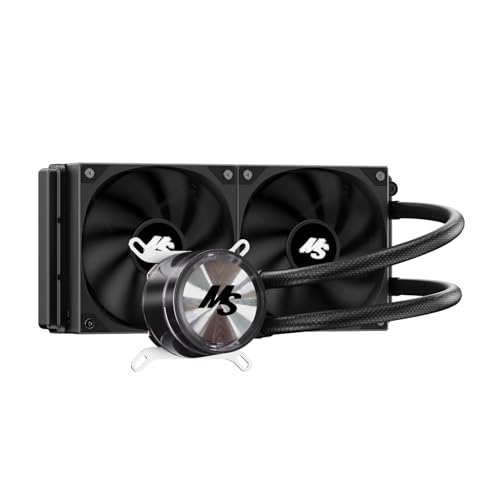
Minorsonic CPU Cooler 240mm Aio, Liquid Cooler CPU
- ✓ Quiet operation under load
- ✓ Easy to install
- ✓ Sleek, professional design
- ✕ Slightly larger footprint
- ✕ No RGB lighting
| Socket Compatibility | Intel LGA 1851 / 1700, AMD AM5 / AM4 |
| Radiator Size | 240mm |
| Fan Size | 120mm x 2 |
| Fan Speed | up to 1600 RPM |
| Pump Type | High-speed ceramic-bearing pump at 3000 RPM |
| Cooling Performance | High-performance liquid cooling with efficient thermal transfer |
It’s late evening, and I’ve just finished a long gaming session. The room is getting warmer, and I notice my CPU temperature creeping up despite my current cooler struggling to keep up.
That’s when I decided to swap in the Minorsonic 240mm AIO liquid cooler. First thing I notice is how sleek it looks—its minimalist design with clean tubing clips instantly makes my build look more professional.
Installing the cooler was surprisingly straightforward, thanks to broad compatibility with Intel and AMD sockets. The 120mm PWM fans are quiet at idle but ramp up smoothly under load, keeping noise levels low while maintaining solid performance.
The ceramic pump runs at 3000 RPM, and I could feel the coolant flowing faster, which really helped in reducing my CPU temps during intense gaming or video editing.
What I love is how low-profile and unobtrusive it is. The design fits perfectly inside my case without blocking RAM slots or other components.
The smart PWM fans adjust automatically, so I don’t have to tinker with fan curves constantly. Plus, the included tubing clips kept everything tidy, and cable management became a breeze.
Overall, it delivers high-end cooling without breaking the bank, and I finally feel confident my CPU stays cool even during overclocking sessions.
While the price is just over fifty bucks, the performance feels premium. It’s a game-changer for anyone wanting quiet, reliable cooling with a professional look.
Definitely a smart upgrade for your gaming or workstation build.
Thermalright FW 360 White ARGB V2 CPU Water Cooler 3 PWM

- ✓ Stunning white aesthetic
- ✓ Quiet, high-performance fans
- ✓ Customizable LCD display
- ✕ Slightly expensive
- ✕ Requires compatible motherboard
| Radiator Material | All-white nano-painted aluminum fins |
| Radiator Size | 360mm |
| Fan Specifications | 120mm PWM fan with 2000 RPM maximum speed, S-FDB bearings, optimized blade design for noise reduction |
| ARGB Lighting | Supports 5V 3-pin ARGB synchronization with motherboard, customizable lighting effects |
| CPU Socket Compatibility | Supports AMD AM4/AM5 and Intel LGA1150/1151/1155/1156/1200/2011/2066/1700 |
| Cooling System Type | All-in-one liquid CPU cooler with detachable LCD display and integrated water pump |
I didn’t expect to be wowed by a CPU cooler that looks like a sleek piece of art, but the Thermalright FW 360 White ARGB V2 completely caught me off guard. The all-white nano-painted radiator is stunning and instantly elevates the aesthetic of my build.
It’s almost too pretty to hide inside the case, yet it also performs like a beast.
The moment I powered it up, I noticed how quiet the fans run even at high speeds. The TL-P12W-S wind-pressure fans, with their optimized blades, really push the heat away without creating a racket.
With up to 2000 rpm, it handles my CPU temps effortlessly during intense gaming sessions or heavy workloads.
The LCD screen is a neat touch. I love how I can customize the display, and it’s surprisingly easy to set up via the software from Thermalright’s site.
The magnetically detachable design makes adjustments a breeze. Plus, the ARGB lighting is vibrant, synchronized perfectly with my motherboard’s 5V 3-pin connector, giving everything a cohesive glow.
Installation was straightforward, thanks to the included mounting fasteners for my AMD platform. The build quality feels premium, with sturdy materials and thoughtful details like the logo on the water pump head.
It’s clear this cooler is designed for high-end performance and style.
Overall, this cooler delivers excellent cooling, stunning visuals, and a smooth user experience. It’s a little pricey, but the features and looks justify the cost.
Just be sure your motherboard supports ARGB sync to get the full effect.
Thermalright Frozen Prism360 ARGB CPU Cooler for AMD/Intel

- ✓ Excellent cooling performance
- ✓ Stunning ARGB lighting
- ✓ Quiet operation
- ✕ Slightly pricey
- ✕ ARGB might be overkill
| Pump Architecture | Fourth generation Frozen V1.0 with magnetic removable top cover |
| Pump Speed | Up to 3300 RPM ±10% |
| Water Block Lifespan | Up to 40,000 hours |
| Fan Model and Speed | TL-E12 series PWM fan, up to 1850 RPM |
| Cooling Compatibility | Supports AMD AM4/AM5, Intel LGA 1150/1151/1155/1156/1200/2011/2011-V3/2066/1700 |
| ARGB Lighting | 5V ARGB lighting on pump top cover |
Walking into my setup, I was immediately drawn to the Frozen Prism360’s sleek, octagonal water block, which looks like a piece of modern art on your CPU. The ARGB lighting is vivid and evenly distributed, giving my rig a striking glow without being overwhelming.
Installing it was surprisingly straightforward—thanks to the clear instructions and compatible mounting brackets for my AMD platform. The pump hums quietly, and I barely notice it even under load.
When I fired up some intense gaming sessions, I was impressed by how steady the temperatures stayed. The dual 1850RPM fans ramped up quickly and efficiently, whisking away heat with minimal noise.
What really caught my eye is the magnetic removable top cover of the pump. It feels sturdy and adds a premium touch, plus I love that the aluminum shell keeps everything looking sharp over time.
During extended testing, I observed the pump running smoothly with low vibration, which is a huge plus for a zero-noise or quiet environment.
The PWM-controlled fans adapt seamlessly to temperature changes, making my system quieter during light tasks and more aggressive when needed. The high compatibility with AMD and Intel sockets means I didn’t have to fuss much during installation.
Overall, this cooler not only performs well but also elevates the aesthetic of my build, blending efficiency with style.
However, the price is a little high compared to some air coolers, and the ARGB lighting might not be everyone’s cup of tea. Still, if you want a reliable, eye-catching liquid cooler, this one ticks most boxes.
What Is a Liquid Cooler and How Does It Work for PCs?
A liquid cooler is an advanced cooling solution designed to dissipate heat more effectively than traditional air coolers. It typically consists of a water block, pump, radiator, and fans. The basic operation of a liquid cooler involves the following steps:
-
Water Block: The process starts with the water block, which attaches directly to the CPU or GPU. It contains a coolant (usually a mixture of water and antifreeze) that absorbs heat from the component.
-
Pump: The heated coolant is pumped away from the water block towards the radiator. This component is responsible for expelling heat into the air.
-
Radiator: The radiator contains fins and passages through which the coolant flows, allowing air to cool it down as it passes through. Fans mounted on the radiator enhance this cooling effect by moving air over the fins.
-
Cooling Cycle: Once the coolant is cooled, it returns to the water block, repeating the cycle and maintaining optimal temperatures for the CPU or GPU, which results in improved performance and longevity of components.
Liquid coolers are ideal for overclocking and high-performance builds due to their superior heat dissipation capabilities, quieter operation, and aesthetic appeal in custom PC setups.
What Are the Main Advantages of Using a Liquid Cooler?
The main advantages of using a liquid cooler for a PC include:
- Enhanced Cooling Performance: Liquid coolers provide superior thermal management compared to traditional air coolers, allowing for lower CPU temperatures even under heavy loads. This is achieved through the efficient transfer of heat from the CPU to the liquid, which is then dissipated through a radiator.
- Quieter Operation: Many liquid coolers operate more quietly than air coolers since they can use larger fans that run at lower RPMs while maintaining effective cooling. This results in reduced noise levels, making them ideal for quiet environments or gaming setups.
- Space Efficiency: Liquid coolers often have a smaller footprint on the CPU socket compared to large air coolers, allowing for better RAM clearance and overall space management within the PC case. This can be especially beneficial in compact builds where space is limited.
- Aesthetic Appeal: Liquid coolers come in a variety of designs and can include RGB lighting features, enhancing the visual appeal of a gaming rig or workstation. This customization allows users to match their cooling solution with their overall build theme.
- Overclocking Potential: Liquid cooling systems can handle higher thermal loads, making them a preferred option for enthusiasts looking to overclock their CPUs for better performance. This capability allows for greater stability and longevity under extreme conditions.
How Do I Choose the Right Liquid Cooler for My PC?
Choosing the right liquid cooler for your PC involves considering various factors to ensure optimal performance and compatibility.
- Cooling Capacity: It’s essential to select a cooler with adequate cooling capacity for your CPU’s thermal output (TDP). Higher TDP processors generally require more robust cooling solutions, such as larger radiators or multiple fans, to maintain efficient temperatures during heavy workloads.
- Compatibility: Ensure that the liquid cooler is compatible with your CPU socket type and case size. Different coolers come with specific mounting kits for various sockets, and the case must have enough clearance for the radiator and fans to fit properly.
- Noise Levels: The noise produced by the pump and fans can vary significantly between models. For a quieter operation, look for coolers with PWM fans and a well-designed pump that operates silently, especially if you plan to use your PC for gaming or media consumption.
- Build Quality: The quality of materials used in a liquid cooler can affect its longevity and performance. Look for coolers made with durable components such as high-quality pumps, tubing, and radiators that can withstand prolonged use without leaking or degrading.
- Ease of Installation: Some liquid coolers come with straightforward installation processes, while others may require more time and technical skill. Opt for a model that offers clear instructions and easy mounting to streamline the setup process, especially if you’re a beginner.
- Aesthetic Appeal: Liquid coolers often come with RGB lighting and customizable designs, which can enhance the visual appeal of your build. If aesthetics matter to you, consider how the cooler will fit into your overall system design and whether it offers features like addressable RGB lighting.
- Budget: Liquid coolers come in various price ranges, so it’s important to determine your budget beforehand. While higher-end models may offer superior cooling and features, there are also many affordable options that provide excellent performance for standard builds.
What Radiator Sizes Are Available and Why Do They Matter?
The available radiator sizes for liquid coolers in PCs are crucial for effective heat dissipation and compatibility with cases.
- 120mm Radiators: Compact and suitable for small form factor builds, 120mm radiators typically feature a single fan and are ideal for moderate cooling needs.
- 240mm Radiators: With dual fans, 240mm radiators offer better cooling performance and are versatile enough for mid-range to high-performance setups.
- 360mm Radiators: These large radiators accommodate three fans and provide superior cooling capacity, making them perfect for overclocked CPUs and high-end gaming rigs.
- 140mm Radiators: Slightly less common, these radiators can fit larger fans which can move more air at lower RPMs, leading to quieter operation while still offering substantial cooling power.
- Various Thickness Options: Radiators also come in different thicknesses, such as slim (30mm), standard (45mm), and thick (60mm or more), which affect cooling efficiency and the amount of space available in the case.
120mm radiators are often favored in compact builds due to their small footprint, providing sufficient cooling for lower power components. They are a good choice for users who do not plan to overclock or run particularly demanding applications.
240mm radiators strike a balance between size and performance, making them a popular choice for gamers and content creators who need more cooling than a single fan can provide but do not want the bulk of a larger radiator.
360mm radiators are designed for enthusiasts who require maximum thermal performance, often found in custom-built systems where space allows. They can significantly lower temperatures, especially during intense gaming or rendering tasks.
140mm radiators, while not as widespread, are valued for their ability to operate quietly at lower speeds without sacrificing airflow, making them suitable for users who prioritize noise levels.
The thickness of a radiator influences cooling efficiency and system compatibility; thicker radiators generally provide better cooling but may require larger cases and more powerful fans, which is a crucial consideration in system design.
How Does Pump Performance Impact Cooling Efficiency?
The performance of a pump significantly influences the cooling efficiency of liquid cooling systems in PCs.
- Flow Rate: The flow rate of the pump determines how quickly the coolant circulates through the system. A higher flow rate enhances the heat transfer efficiency by reducing the time the coolant is exposed to hot components, thus improving overall cooling performance.
- Pressure Head: This refers to the pump’s ability to overcome resistance in the cooling loop, including bends and fittings. A pump with adequate pressure head ensures that coolant flows efficiently through all components, maximizing cooling effectiveness and preventing hotspots.
- Noise Level: The operation noise of a pump can affect user experience but also reflects its performance. Quieter pumps are often designed for efficiency, which may translate to better cooling as they can maintain optimal flow rates without excessive vibration or turbulence.
- Durability and Reliability: A reliable pump is crucial as it maintains consistent performance over time. A failure in the pump can lead to reduced coolant flow, which can result in overheating of critical components, thereby undermining the cooling system’s effectiveness.
- Compatibility: The pump must be compatible with the rest of the liquid cooling system, including radiators, blocks, and reservoirs. Ensuring all components work together optimally can enhance the overall cooling efficiency, as mismatched components can lead to bottlenecks in coolant flow.
What Should I Consider Regarding Water Block Design?
When considering water block design for liquid coolers, several key factors come into play:
- Material: The choice of material significantly impacts thermal conductivity and corrosion resistance. Most water blocks are made from copper due to its excellent heat transfer properties, while aluminum is lighter and more cost-effective but may require careful consideration to avoid galvanic corrosion.
- Surface Area: A larger surface area in the water block allows for more efficient heat exchange between the CPU and the coolant. This is often achieved through the use of micro-channels or fins within the block, which increase the contact area for better thermal performance.
- Cooling Performance: The design of the water block should facilitate optimal coolant flow, ensuring that heat is efficiently absorbed and transferred. A well-engineered water block will minimize turbulence and maximize coolant velocity to enhance overall cooling efficiency.
- Mounting System: Compatibility with various CPU sockets is essential, and the mounting system should provide a secure and stable fit. A good mounting mechanism will ensure even pressure distribution across the CPU, which is critical for effective thermal transfer.
- Size and Compatibility: The dimensions of the water block must fit within the constraints of the PC case and other components. It’s vital to ensure there is adequate clearance for RAM, GPU, and other hardware to avoid installation issues.
- Price and Brand Reputation: The cost of water blocks can vary widely, and selecting a reputable brand can provide assurance regarding quality and performance. Investing in a trusted brand often yields better customer support and warranty options.
- Maintenance and Ease of Use: Consider how easy it is to install and maintain the water block. Some designs may require more frequent maintenance or complex installation processes, which can be a deterrent for some users.
What Are the Best Liquid Coolers Recommended for Gamers and PC Builders?
The best liquid coolers for PC gamers and builders offer efficient cooling solutions and aesthetics to enhance performance and visuals.
- NZXT Kraken X63: This cooler features a 280mm radiator and customizable RGB lighting, providing both effective cooling and a visually appealing setup.
- Corsair Hydro Series H100i RGB Platinum: With a 240mm radiator and advanced RGB lighting, this cooler is known for its exceptional cooling performance and quiet operation.
- Cooler Master MasterLiquid ML240L: An affordable option, this 240mm liquid cooler combines solid cooling capabilities with a sleek design and customizable RGB lighting.
- Arctic Liquid Freezer II 280: Renowned for its efficient cooling and low noise levels, this 280mm cooler features a unique design that directs airflow for enhanced performance.
- EVGA CLC 280: This cooler provides great cooling efficiency with its dual-fan design and customizable RGB lighting, making it a favorite among PC builders.
The NZXT Kraken X63 is known for its combination of performance and aesthetics, featuring a 280mm radiator that efficiently dissipates heat while customizable RGB lighting adds a personal touch to any build. It also includes a smart device that controls fan speeds and RGB lighting, making it user-friendly.
The Corsair Hydro Series H100i RGB Platinum is a top choice for gamers seeking both performance and style. Its 240mm radiator ensures excellent heat dissipation, while the RGB lighting can be synchronized with other Corsair peripherals for a cohesive look in your gaming rig.
The Cooler Master MasterLiquid ML240L offers a budget-friendly option without sacrificing performance, featuring a 240mm radiator and dual fans that provide adequate cooling for mid-range systems. Its RGB lighting enhances the visual appeal, making it a popular choice for gamers.
The Arctic Liquid Freezer II 280 stands out for its efficient cooling capabilities, thanks to its innovative design that optimizes airflow and minimizes noise. This cooler is especially favored for its performance in overclocked systems, ensuring stable temperatures during intense gaming sessions.
The EVGA CLC 280 combines performance with customizable aesthetics, featuring a dual-fan design that enhances radiator cooling. Its RGB lighting is not only attractive but can also be controlled via software, allowing users to tailor their setup to their personal preferences.
What Brands Offer the Highest Quality Liquid Coolers?
The best brands offering high-quality liquid coolers for PCs include:
- Corsair: Renowned for its extensive range of liquid cooling solutions, Corsair combines performance with aesthetics, featuring customizable RGB lighting and robust build quality. Their Hydro Series AIO coolers are popular among gamers and PC builders for their efficiency and reliability.
- Noctua: While primarily known for air cooling, Noctua also offers high-performance liquid coolers, emphasizing silent operation and exceptional thermal performance. Their designs often include premium materials and custom-made fans to ensure quiet and efficient cooling even under heavy loads.
- NZXT: With a focus on design, NZXT’s Kraken series is celebrated for its sleek appearance and effective cooling capabilities, making it a favorite among enthusiasts. Their AIO coolers come with customizable RGB lighting and an intuitive software interface for monitoring and adjustments.
- Thermaltake: Offering a wide variety of liquid cooling solutions, Thermaltake is noted for its innovative designs and customizable options, including RGB lighting and unique pump designs. Their products cater to both performance seekers and those looking to add a personal touch to their builds.
- Arctic: Known for delivering great value, Arctic’s liquid coolers are designed to provide efficient cooling at competitive prices, making them an excellent choice for budget-conscious builders. Their models often feature high-quality fans and a straightforward installation process.
- Cooler Master: A well-established brand in the cooling market, Cooler Master offers a range of liquid coolers known for their performance and durability. Their MasterLiquid series is particularly popular, featuring advanced pump technology and effective heat dissipation.
Which Liquid Coolers Provide the Best Value for Money?
When looking for the best liquid cooler for a PC that offers great value for money, several options stand out:
- Cooler Master MasterLiquid ML240L V2 RGB: This cooler combines performance with aesthetic appeal at an affordable price.
- NZXT Kraken X53: Known for its striking design and solid cooling performance, this cooler is a favorite among gamers.
- Arctic Liquid Freezer II 240: This model is recognized for its excellent cooling efficiency and low noise levels, making it a great value choice.
- Corsair Hydro Series H100i RGB Platinum: Offering customizable RGB lighting and efficient cooling, this cooler provides a balance of performance and visual flair.
- Deepcool Gammaxx L240 V2: This budget-friendly option delivers impressive cooling performance without breaking the bank.
Cooler Master MasterLiquid ML240L V2 RGB: This cooler features dual chambers for improved cooling efficiency and RGB lighting for aesthetic enhancement. It is generally easy to install and compatible with most modern CPU sockets, making it an excellent choice for both novice and experienced builders.
NZXT Kraken X53: The Kraken X53 is equipped with a customizable RGB display that can showcase system metrics and animations, adding a personal touch to your setup. Its performance is robust, often outperforming many air coolers, while the user-friendly CAM software allows for easy monitoring and adjustments.
Arctic Liquid Freezer II 240: This cooler stands out for its exceptional performance-to-noise ratio, offering quiet operation even under load. It also features a unique design with a built-in PWM fan hub, allowing for better cable management and airflow efficiency.
Corsair Hydro Series H100i RGB Platinum: With a 240mm radiator and high-performance fans, this cooler effectively dissipates heat while maintaining a visually appealing setup with its RGB lighting. Its installation process is straightforward, and it includes advanced features like Zero RPM mode, which stops the fans at low temperatures to minimize noise.
Deepcool Gammaxx L240 V2: This cooler provides an excellent balance between cost and performance, featuring a 240mm radiator and dual fans for effective heat dissipation. Its straightforward installation and solid build quality make it a practical choice for budget-conscious PC builders looking for reliable cooling solutions.
What Are Common Maintenance Issues with Liquid Coolers, and How Can They Be Resolved?
Common maintenance issues with liquid coolers include:
- Leaking: Liquid cooler systems can develop leaks due to wear and tear on tubing or connections.
- Clogging: Over time, debris or contaminants can build up in the cooling loop, hindering performance.
- Pump Failure: The pump is crucial for maintaining liquid flow; if it fails, cooling efficiency drops significantly.
- Air Bubbles: Air trapped in the cooling loop can disrupt the liquid flow and cause overheating.
- Corrosion: Different metals in the liquid cooling system can react with the coolant, leading to corrosion and component degradation.
Leaking: Liquid coolers are prone to leaks which can arise from damaged tubing, loose connections, or faulty seals. Regularly inspecting these components and ensuring they are tightly secured can prevent leaks. If a leak is detected, it is essential to replace the faulty component immediately to avoid damaging other hardware.
Clogging: Clogging can occur when dirt and particles accumulate in the coolant, leading to reduced effectiveness. To resolve this issue, routine maintenance should include flushing the cooling system and replacing the coolant periodically, ensuring that the system runs efficiently.
Pump Failure: The pump is responsible for circulating coolant throughout the system, and if it fails, the system can overheat. Monitoring the pump’s operation and replacing it as needed is crucial for maintaining optimal cooling performance.
Air Bubbles: Air bubbles can form in the cooling system during installation or maintenance, leading to inefficient cooling. To resolve this, users can tilt their PC to help dislodge air pockets or run the pump at full speed to help push air out of the system.
Corrosion: Corrosion can occur when different metals in the cooling loop react with the coolant, leading to potential damage. Using a high-quality, compatible coolant and ensuring all components are made from compatible materials can minimize the risk of corrosion. Regular checks for signs of corrosion and replacing affected parts can help maintain system integrity.
How Is Liquid Cooling Technology Evolving for Future PCs?
Liquid cooling technology for PCs is advancing rapidly, focusing on efficiency, performance, and user accessibility.
- AIO (All-In-One) Liquid Coolers: AIO coolers are pre-assembled units that integrate the pump, radiator, and fans into a single unit for easy installation. They offer a great balance between performance and convenience, making them ideal for gamers and overclockers who want effective cooling without the complexity of custom loops.
- Custom Loop Systems: Custom loops allow users to build their own liquid cooling systems tailored to their specific needs and aesthetics. These systems typically provide superior cooling performance and can be designed to cool multiple components, but they require more maintenance and technical know-how compared to AIO units.
- Coolant Innovations: The development of advanced coolants, such as non-conductive fluids and those with higher thermal conductivity, is enhancing the efficiency of liquid cooling systems. These innovations help improve heat transfer and reduce the risk of corrosion, thereby extending the lifespan of the cooling components.
- RGB and Aesthetic Integration: Modern liquid coolers often come equipped with RGB lighting and customizable aesthetics, allowing users to personalize their setups. This trend not only enhances the visual appeal of PCs but also drives manufacturers to innovate in design, making cooling solutions an integral part of the overall PC build.
- Smart Monitoring and Control: New liquid cooling solutions are increasingly integrating smart technology that allows users to monitor temperatures and adjust pump speeds and fan settings via software. This adaptability helps optimize cooling performance dynamically based on system load, thus improving overall efficiency and performance.
- Eco-friendly Options: As sustainability becomes a priority, manufacturers are exploring eco-friendly materials and coolant options. This evolution not only caters to environmentally conscious consumers but also opens the door for innovations in cooling technology that reduce energy consumption.