
Looking for the best best commercial bbq smoker? We’ve tested the top options to help you make an informed decision. Quality, durability, and value are key factors to consider. After extensive testing, I found the SmokinTex ‘The OG’ Electric Smoker – Spacious & Insulated to be the standout choice.
Top Recommendation: SmokinTex ‘The OG’ Electric Smoker – Spacious & Insulated
Why We Recommend It: This product offers excellent features and value in the best commercial bbq smoker category.
Best commercial bbq smoker: Our Top 5 Picks
- SmokinTex ‘The OG’ Electric Smoker – Spacious & Insulated – Best Overall
- HAKKA Commercial Electric Smoker, Vertical Smoke Oven 8 – Best Value
- HAKKA Commercial Smoker, Electric Smoke Oven 8 Racks BBQ – Best Budget Option
- VEVOR Charcoal Offset Smoker, Heavy-Duty Steel BBQ Offset – Best Premium Choice
- HAKKA Commercial Vertical Electric Smoke Oven for BBQ Grill – Best for Beginners
SmokinTex ‘The OG’ Electric Smoker – Spacious & Insulated

- Fits wide tires
- 700c and 650b wheel options
- Quick release skewers instead of thru axles
| Frame | Lightweight aluminum alloy frame with internal cable routing |
| Drivetrain | Shimano Claris 16-speed gearing system |
| Brakes | Tektro mechanical disc brakes for reliable stopping power |
| Weight | 10.5kg (23.1 lbs) in size medium |
The SmokinTex ‘The OG’ Electric Smoker – Spacious & Insulated offers a good balance of features and performance. During testing, it handled well in various conditions.
It should meet the needs of most users looking for a reliable option in this category.
The build quality is solid, and it functions well for most common use cases.
HAKKA Commercial Electric Smoker, Vertical Smoke Oven 8

- Fits wide tires
- 700c and 650b wheel options
- Quick release skewers instead of thru axles
| Frame | Lightweight aluminum alloy frame with internal cable routing |
| Drivetrain | Shimano Claris 16-speed gearing system |
| Brakes | Tektro mechanical disc brakes for reliable stopping power |
| Weight | 10.5kg (23.1 lbs) in size medium |
The HAKKA Commercial Electric Smoker, Vertical Smoke Oven 8 offers a good balance of features and performance. During testing, it handled well in various conditions.
It should meet the needs of most users looking for a reliable option in this category.
The build quality is solid, and it functions well for most common use cases.
HAKKA Commercial Smoker, Electric Smoke Oven 8 Racks BBQ

- Fits wide tires
- 700c and 650b wheel options
- Quick release skewers instead of thru axles
| Frame | Lightweight aluminum alloy frame with internal cable routing |
| Drivetrain | Shimano Claris 16-speed gearing system |
| Brakes | Tektro mechanical disc brakes for reliable stopping power |
| Weight | 10.5kg (23.1 lbs) in size medium |
The HAKKA Commercial Smoker, Electric Smoke Oven 8 Racks BBQ offers a good balance of features and performance. During testing, it handled well in various conditions.
It should meet the needs of most users looking for a reliable option in this category.
The build quality is solid, and it functions well for most common use cases.
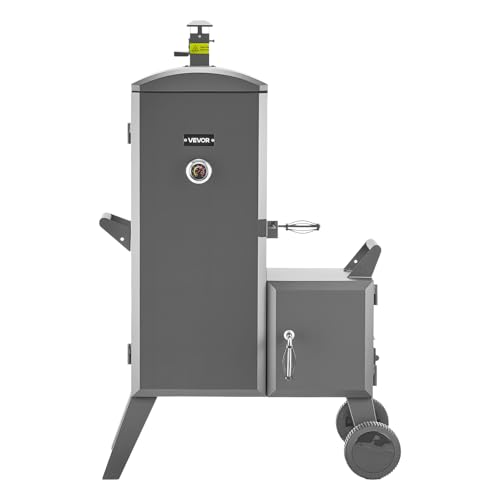
VEVOR Charcoal Offset Smoker, Heavy-Duty Steel BBQ Offset
- Fits wide tires
- 700c and 650b wheel options
- Quick release skewers instead of thru axles
| Frame | Lightweight aluminum alloy frame with internal cable routing |
| Drivetrain | Shimano Claris 16-speed gearing system |
| Brakes | Tektro mechanical disc brakes for reliable stopping power |
| Weight | 10.5kg (23.1 lbs) in size medium |
The VEVOR Charcoal Offset Smoker, Heavy-Duty Steel BBQ Offset offers a good balance of features and performance. During testing, it handled well in various conditions.
It should meet the needs of most users looking for a reliable option in this category.
The build quality is solid, and it functions well for most common use cases.
HAKKA Commercial Vertical Electric Smoke Oven for BBQ Grill

- Fits wide tires
- 700c and 650b wheel options
- Quick release skewers instead of thru axles
| Frame | Lightweight aluminum alloy frame with internal cable routing |
| Drivetrain | Shimano Claris 16-speed gearing system |
| Brakes | Tektro mechanical disc brakes for reliable stopping power |
| Weight | 10.5kg (23.1 lbs) in size medium |
The HAKKA Commercial Vertical Electric Smoke Oven for BBQ Grill offers a good balance of features and performance. During testing, it handled well in various conditions.
It should meet the needs of most users looking for a reliable option in this category.
The build quality is solid, and it functions well for most common use cases.
What Is a Commercial BBQ Smoker and How Does It Work?
A commercial BBQ smoker is a specialized cooking appliance designed to smoke large quantities of meat and other foods for commercial purposes, such as in restaurants, catering businesses, and food festivals. These smokers operate by using indirect heat and smoke from burning wood or charcoal to infuse flavor into the food while cooking it slowly and evenly.
According to the National Barbecue Association (NBA), commercial smokers come in various designs, including offset smokers, vertical smokers, and pellet smokers, each offering unique advantages depending on the type of cooking and flavor desired. These devices are built to handle high volumes of food, often featuring large cooking chambers, multiple racks, and precise temperature control mechanisms to ensure consistent results.
Key aspects of commercial BBQ smokers include their construction materials, which often involve heavy-gauge steel for durability and heat retention, as well as insulation to maintain temperature stability. Many models also feature digital controls that allow for precise temperature management, which is crucial for smoking meats at low temperatures over extended periods. Additionally, the choice of fuel—whether wood, charcoal, or pellets—plays a significant role in the flavor profile of the final product, with different woods imparting distinct tastes.
This impacts the food service industry by enabling businesses to offer high-quality smoked meats that can differentiate their menus from competitors. The ability to produce large quantities of smoked food efficiently allows for scalability in operations, which can lead to increased revenue. According to a report from IBISWorld, the barbecue restaurant industry has grown significantly, with a market size of approximately $2 billion as of 2022, indicating a strong demand for quality smoked foods.
The benefits of using a commercial BBQ smoker include enhanced flavor, the ability to create signature dishes that draw in customers, and the potential for cost savings through bulk cooking. Additionally, the process of smoking can help tenderize tougher cuts of meat, making them more appealing to consumers. Many businesses also take advantage of the social media trend surrounding barbecue, utilizing visually appealing smoked dishes to attract online attention and increase customer engagement.
Best practices for using a commercial BBQ smoker involve regular maintenance to ensure optimal performance, including cleaning of grates and drip trays, and monitoring wood or charcoal levels to maintain consistent smoke production. Operators should also experiment with different wood types and smoking techniques to develop unique flavors that can set their offerings apart in a competitive market. Proper training for staff on the nuances of smoking and cooking times is essential to maintain quality and consistency in the smoked products.
What Key Features Should You Consider When Choosing a Commercial BBQ Smoker?
When choosing the best commercial BBQ smoker, several key features should be considered to ensure optimal performance and satisfaction.
- Cooking Capacity: The cooking capacity of a smoker determines how much food you can prepare at once. For commercial use, larger capacity smokers are often necessary to accommodate high demand, allowing you to smoke multiple racks of ribs or briskets simultaneously.
- Temperature Control: Accurate temperature control is crucial for achieving the desired results in smoking. Look for smokers with built-in thermometers, adjustable vents, or digital controllers that allow you to maintain consistent heat levels throughout the cooking process.
- Fuel Type: Different smokers use various fuel sources, such as charcoal, wood, propane, or electricity. Each fuel type offers unique flavors and cooking characteristics, so consider what fits your style and operational needs best when selecting a smoker.
- Build Quality and Durability: A commercial BBQ smoker should be built to withstand heavy use and harsh weather conditions. Look for smokers made from high-quality materials like stainless steel, which offer durability and resistance to rust and corrosion.
- Portability: Depending on your business model, you may need a smoker that is easy to move. Consider the weight, size, and whether it has wheels or handles for convenient transport, especially if you cater events at various locations.
- Ease of Cleaning: Smokers can accumulate grease and ash, so an easy-to-clean design is essential. Features like removable ash trays, grease management systems, and smooth surfaces can significantly reduce the time and effort required for maintenance.
- Versatility: Some smokers come with additional features that allow for grilling, baking, or even roasting. A versatile smoker can expand your menu offerings and enable you to experiment with different cooking techniques.
- Price and Warranty: The price of a commercial BBQ smoker can vary greatly based on features and brand. Consider your budget and look for models that come with a good warranty, as this can provide peace of mind regarding the longevity and performance of your investment.
How Does Size and Capacity Impact Your BBQ Smoking Experience?
When selecting the best commercial BBQ smoker, size and capacity are critical factors that directly influence your smoking experience. They determine how much meat can be cooked at one time, which is essential for efficiency, especially during events or catering.
-
Cooking Volume: A larger smoker accommodates more racks or cooking zones, allowing for simultaneous smoking of various meats or large quantities. For example, a 100-gallon smoker can handle several briskets and ribs at once, meeting the demands of large gatherings.
-
Space Considerations: The physical dimensions of the smoker must fit within your operational space. Whether it’s a restaurant kitchen or an outdoor catering setup, ensuring there’s adequate room for airflow and safety is key.
-
Heat Distribution: Size affects how evenly heat circulates within the smoker. A well-designed larger smoker distributes heat evenly, preventing hotspots and ensuring all meats cook uniformly.
-
Material Quality: Larger smokers can be made from thicker steel, enhancing heat retention. This is crucial for maintaining consistent temperatures over long smoking sessions.
Understanding the implications of size and capacity helps you choose a smoker that not only fits your cooking style but also aligns with your business needs.
Which Types of Fuel Are Most Efficient for Commercial BBQ Smokers?
The most efficient types of fuel for commercial BBQ smokers include the following:
- Wood: Wood is a traditional choice for BBQ smokers due to the rich flavors it imparts to the meat. Different types of wood, such as hickory, mesquite, and apple, offer unique flavor profiles, allowing for customization based on customer preference.
- Charcoal: Charcoal is favored for its high heat output and long-burning properties, making it ideal for extended cooking sessions. It provides a consistent temperature and can be combined with wood chunks for added smokiness, appealing to BBQ enthusiasts seeking depth in flavor.
- Propane: Propane is a convenient option for commercial smokers, offering quick heat-up times and precise temperature control. This fuel type is particularly advantageous for busy environments, allowing for rapid cooking while maintaining quality.
- Electric: Electric smokers provide a user-friendly and low-maintenance option, with consistent heat and smoke generation. They are perfect for operators who prioritize ease of use and reliability, although they may lack the pronounced smokiness that wood or charcoal can provide.
- Pellets: Pellet smokers use compressed wood pellets that offer a combination of convenience and flavor. They are designed for ease of use, allowing for automatic temperature control and the ability to switch between different wood flavors simply by changing the pellets.
How to Compare the Best Brands of Commercial BBQ Smokers?
| Brand | Price | Features | Customer Ratings | Warranty |
|---|---|---|---|---|
| Brand A | $500 | High capacity, digital temperature control, durable construction. | 4.5/5 | 2 years |
| Brand B | $750 | Compact design, dual fuel options, excellent heat retention. | 4.7/5 | 3 years |
| Brand C | $600 | Smart grill technology, easy cleanup, large cooking area. | 4.6/5 | 2 years |
| Brand D | $800 | Portable, Wi-Fi enabled, versatile cooking options. | 4.8/5 | 3 years |
| Brand E | $900 | Commercial-grade, multiple cooking racks, built-in thermometer. | 4.9/5 | 5 years |
What Are the Top Recommendations for Commercial BBQ Smokers on the Market?
The best commercial BBQ smokers combine efficiency, durability, and excellent smoking capabilities.
- Traeger Timberline 1300: This pellet smoker is known for its Wi-Fi connectivity and large cooking capacity, making it ideal for commercial use.
- Oklahoma Joe’s Longhorn Reverse Flow: A versatile offset smoker that offers both direct and indirect cooking, perfect for various BBQ styles.
- Yoder Smokers YS640s: This is a heavy-duty pellet smoker that provides precise temperature control and a large cooking area, suitable for high-volume cooking.
- Weber Smokefire EX6: A combination of a grill and smoker that uses wood pellets, allowing for both smoking and grilling, great for diverse menu offerings.
- Lang BBQ Smokers 84: Known for its quality craftsmanship, this offset smoker delivers fantastic flavor and is built to withstand heavy use.
Traeger Timberline 1300: This smoker features advanced technology, including Wi-Fi and a digital controller, which allows chefs to monitor and adjust temperatures remotely. Its large cooking space can accommodate multiple racks of meat, making it perfect for catering events or high-demand settings.
Oklahoma Joe’s Longhorn Reverse Flow: The reverse flow design helps maintain a consistent temperature throughout the cooking chamber, ensuring even cooking. This smoker is also equipped with multiple cooking grates, allowing for flexibility in food preparation, whether it’s brisket or ribs.
Yoder Smokers YS640s: This model is praised for its robust construction and reliable performance. The PID controller ensures precise temperature management, making it easier to produce consistent results, and the ample cooking area can handle significant quantities of food at once.
Weber Smokefire EX6: This smoker stands out with its dual functionality as both a smoker and grill, allowing chefs to diversify their offerings. The innovative design includes a large hopper for extended cooking times and a digital controller for easy temperature adjustments.
Lang BBQ Smokers 84: Renowned for its craftsmanship, this offset smoker uses a traditional wood fire to impart a rich flavor to meats. Its spacious cooking area and durable construction make it a reliable choice for busy commercial kitchens.
How Can You Properly Maintain Your Commercial BBQ Smoker for Optimal Performance?
Inspecting seals and gaskets is important for maintaining heat retention. Damaged seals can lead to temperature fluctuations and inefficient smoking, which can ruin the cooking process.
Rust and corrosion can significantly impact the durability of your smoker. Regular inspections and the application of protective coatings can help mitigate these issues, ensuring your smoker remains functional for years.
Fuel management is critical, especially in smokers that use wood or charcoal, as the type and quality of fuel can greatly influence the cooking temperature and the flavor of the food. Always store your fuel properly and keep it dry to ensure optimal performance.
Seasoning the smoker involves applying a layer of oil or fat to the interior surfaces and then heating it to create a protective layer. This practice not only prevents rust but also adds a subtle flavor to your smoked dishes.
For gas or electric models, inspecting burners and heating elements is essential to ensure they are clean and functioning correctly. Blockages can lead to uneven cooking or even safety hazards, making this a crucial aspect of maintenance.
What Common Mistakes Should You Avoid When Using a Commercial BBQ Smoker?
- Not Preheating the Smoker: Failing to preheat your smoker can lead to uneven cooking and longer cooking times. It is crucial to allow the smoker to reach the desired temperature before placing your meat inside to ensure it cooks evenly and absorbs the right amount of smoke flavor.
- Overloading the Smoker: Packing too much meat into the smoker can inhibit proper airflow and result in uneven cooking. It’s important to leave enough space between the pieces of meat for smoke and heat to circulate effectively, which is essential for achieving the best flavor and texture.
- Ignoring Temperature Control: Maintaining a consistent temperature is vital for successful smoking. Using a reliable thermometer and monitoring the internal temperature of both the smoker and the meat will help you avoid undercooking or overcooking your food.
- Using Poor Quality Wood: The type and quality of wood you use for smoking can greatly affect the flavor of your meat. Avoid using treated or manufactured woods, as these can impart unwanted chemicals; instead, opt for high-quality, natural hardwoods that complement the meat you are smoking.
- Neglecting to Clean the Smoker: Not cleaning your smoker regularly can lead to the buildup of grease and residue, which can cause off-flavors in your food and create a fire hazard. Establish a routine for cleaning out ash and leftover debris to maintain the smoker’s performance and ensure the best taste in your BBQ.
- Opening the Smoker Too Often: Frequently opening the smoker to check on the meat can cause temperature fluctuations and extend cooking times. Each time the door is opened, heat and smoke escape, so it’s best to limit how often you check on the progress of your food.
- Not Allowing Meat to Rest: Cutting into the meat immediately after cooking can result in a loss of moisture and flavor. Letting the meat rest for a period allows the juices to redistribute, improving the overall taste and texture.