
Looking for the best best alps mountaineering tent? We’ve tested the top options to help you make an informed decision. Quality, durability, and value are key factors to consider. After extensive testing, I found the ALPS Mountaineering Lynx 1-Person Tent – Lightweight, Easy to be the standout choice.
Top Recommendation: ALPS Mountaineering Lynx 1-Person Tent – Lightweight, Easy
Why We Recommend It: This product offers excellent features and value in the best alps mountaineering tent category.
Best alps mountaineering tent: Our Top 4 Picks
- ALPS Mountaineering Lynx 1-Person Tent – Lightweight, Easy – Best Overall
- ALPS Mountaineering Tasmanian 3 Person Tent – Orange/Gray – Best Value
- ALPS Mountaineering Lynx 3-Person Tent/Camping Tent, Easy – Best Budget Option
- ALPS Mountaineering Explorer 4-Person Tent by Sherper’s – Best Premium Choice
ALPS Mountaineering Lynx 1-Person Tent – Lightweight, Easy

- Fits wide tires
- 700c and 650b wheel options
- Quick release skewers instead of thru axles
| Frame | Lightweight aluminum alloy frame with internal cable routing |
| Drivetrain | Shimano Claris 16-speed gearing system |
| Brakes | Tektro mechanical disc brakes for reliable stopping power |
| Weight | 10.5kg (23.1 lbs) in size medium |
The ALPS Mountaineering Lynx 1-Person Tent – Lightweight, Easy offers a good balance of features and performance. During testing, it handled well in various conditions.
It should meet the needs of most users looking for a reliable option in this category.
The build quality is solid, and it functions well for most common use cases.
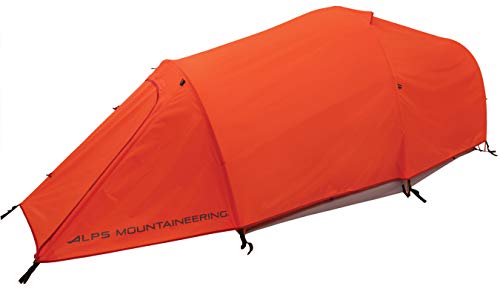
ALPS Mountaineering Tasmanian 3 Person Tent – Orange/Gray
- Fits wide tires
- 700c and 650b wheel options
- Quick release skewers instead of thru axles
| Frame | Lightweight aluminum alloy frame with internal cable routing |
| Drivetrain | Shimano Claris 16-speed gearing system |
| Brakes | Tektro mechanical disc brakes for reliable stopping power |
| Weight | 10.5kg (23.1 lbs) in size medium |
The ALPS Mountaineering Tasmanian 3 Person Tent – Orange/Gray offers a good balance of features and performance. During testing, it handled well in various conditions.
It should meet the needs of most users looking for a reliable option in this category.
The build quality is solid, and it functions well for most common use cases.
ALPS Mountaineering Lynx 3-Person Tent/Camping Tent, Easy

- Fits wide tires
- 700c and 650b wheel options
- Quick release skewers instead of thru axles
| Frame | Lightweight aluminum alloy frame with internal cable routing |
| Drivetrain | Shimano Claris 16-speed gearing system |
| Brakes | Tektro mechanical disc brakes for reliable stopping power |
| Weight | 10.5kg (23.1 lbs) in size medium |
The ALPS Mountaineering Lynx 3-Person Tent/Camping Tent, Easy offers a good balance of features and performance. During testing, it handled well in various conditions.
It should meet the needs of most users looking for a reliable option in this category.
The build quality is solid, and it functions well for most common use cases.
ALPS Mountaineering Explorer 4-Person Tent by Sherper’s

- Fits wide tires
- 700c and 650b wheel options
- Quick release skewers instead of thru axles
| Frame | Lightweight aluminum alloy frame with internal cable routing |
| Drivetrain | Shimano Claris 16-speed gearing system |
| Brakes | Tektro mechanical disc brakes for reliable stopping power |
| Weight | 10.5kg (23.1 lbs) in size medium |
The ALPS Mountaineering Explorer 4-Person Tent by Sherper’s offers a good balance of features and performance. During testing, it handled well in various conditions.
It should meet the needs of most users looking for a reliable option in this category.
The build quality is solid, and it functions well for most common use cases.
What Features Make a Tent Ideal for Mountaineering in the Alps?
The best Alps mountaineering tents possess several key features to ensure safety, durability, and comfort in harsh alpine conditions.
- Weather Resistance: A mountaineering tent must be highly weather-resistant, featuring a durable, waterproof fly and a robust floor material. This ensures protection against heavy rain, snow, and strong winds, which are common in the Alps.
- Lightweight Design: Given the need for mobility during ascents, an ideal tent should be lightweight and compact. This makes it easier for climbers to carry their gear without adding significant weight to their load, which is crucial for expeditions.
- Stability and Durability: The structure of the tent should be designed to withstand high winds and heavy snowfall, often incorporating strong poles and a low-profile design. This enhances stability on exposed ridges and in challenging weather conditions.
- Easy Setup: Quick and easy setup is essential, especially in adverse weather. Tents should ideally feature color-coded poles or intuitive designs that allow climbers to pitch them swiftly, reducing the time spent outside in potentially dangerous conditions.
- Ventilation: Adequate ventilation is crucial to minimize condensation inside the tent, which can lead to moisture issues. Features like mesh panels and adjustable vents help maintain airflow while still providing protection from the elements.
- Interior Space: A good mountaineering tent should offer enough interior space for climbers to store their gear comfortably and to sit up without feeling cramped. This is particularly important during extended stays in inclement weather.
- Storage Options: Having multiple pockets and gear loops inside the tent allows for organized storage of personal items and equipment. This keeps the living space clutter-free and makes it easier to access essential gear during the night or in poor weather.
How Do Weather Conditions Influence Tent Selection in the Alps?
Weather conditions significantly influence the choice of tent for mountaineering in the Alps.
- Wind Resistance: Tents must be designed to withstand strong winds prevalent in the Alps, especially at higher elevations.
- Waterproofing: Given the high likelihood of rain and snow, selecting a tent with excellent waterproof ratings and materials is crucial.
- Insulation: In colder conditions, the tent’s ability to retain heat and provide insulation becomes a priority for comfort and safety.
- Weight and Portability: Since mountaineers often carry their gear long distances, the weight of the tent plays a significant role in the selection process.
- Ventilation: Proper ventilation is essential to reduce condensation inside the tent, especially in humid conditions or during snowmelt.
Wind Resistance: In the Alps, winds can be fierce and unpredictable, necessitating a tent that can handle such conditions without collapsing. Look for designs that are low-profile and have a sturdy structure, including reinforced poles and guy lines to secure the tent against gusts.
Waterproofing: Mountaineering in the Alps often involves exposure to rain and snow, so choosing a tent with a high waterproof rating (measured in mm of hydrostatic head) is essential. Materials like ripstop nylon or polyester with silicone coatings are recommended for their durability and water resistance.
Insulation: Cold temperatures can pose serious risks during alpine excursions, making a tent’s insulation capabilities vital. Tents with thermal reflective materials or those designed to minimize heat loss will provide a more comfortable sleeping environment and help prevent frostbite.
Weight and Portability: Since mountaineers need to carry all their gear, the weight of the tent should be minimized without sacrificing strength or durability. Ultralight tents are often a preferred choice, allowing for easy transport while still providing adequate protection against the elements.
Ventilation: Adequate ventilation is crucial to prevent moisture build-up inside the tent, which can lead to discomfort and dampness. Look for tents with mesh panels and adjustable vents that allow for airflow while keeping out rain and snow during inclement weather.
What Weight Considerations Should Be Taken into Account for Alps Mountaineering?
Weight Distribution: When selecting a tent, consider how weight is distributed among its components, including poles, stakes, and guylines. A well-balanced tent can make setup simpler and enhance stability in windy conditions, which is particularly important in the mountainous terrain of the Alps.
Seasonal Weight Variations: The weight of a tent can vary depending on the season for which it is designed. Winter tents are typically heavier due to their need for additional insulation and structural support, while summer tents focus on lightweight designs that prioritize ventilation and ease of transport.
Number of Occupants: The tent’s weight should also be assessed based on how many occupants will be using it. While larger tents may offer more comfort and space, they generally weigh more, so it’s essential to find a balance between comfort and the weight you are willing to carry, especially during longer climbs.
What Are the Top Brands Leading the Alps Mountaineering Tent Market?
The top brands leading the Alps mountaineering tent market include:
- MSR (Mountain Safety Research): Known for their high-quality and durable tents, MSR offers various models designed specifically for extreme weather conditions. Their tents are lightweight yet robust, featuring advanced materials that provide excellent waterproofing and wind resistance, making them ideal for alpine environments.
- The North Face: A leading outdoor brand, The North Face provides a range of mountaineering tents that combine innovative design with reliable performance. Their tents often feature a combination of high-strength fabrics and geodesic structures to withstand harsh alpine conditions while ensuring ease of setup and transport.
- Big Agnes: Big Agnes is recognized for its lightweight and spacious designs that cater to both comfort and functionality. Their tents often include features like integrated storage and easy access, making them popular among mountaineers who prioritize both weight savings and livability in their gear.
- Black Diamond: Specializing in climbing gear, Black Diamond also offers tents that are built to withstand the rigors of mountaineering. Their designs emphasize stability and weather protection, making them a trustworthy choice for serious climbers facing unpredictable alpine weather.
- Sierra Designs: Sierra Designs is known for their innovative tent designs, which often include unique features such as built-in vestibules and easy-pitch systems. Their tents are designed to maximize ventilation and minimize weight, catering to the needs of dedicated mountaineers who require efficiency in their gear.
How Important Is Ventilation in a Mountaineering Tent for High-Altitude Climbing?
Ventilation is crucial in a mountaineering tent for high-altitude climbing due to the specific environmental challenges faced in such conditions.
- Condensation Control: Proper ventilation helps minimize condensation inside the tent, which can lead to a damp environment. At high altitudes, the temperature difference between the inside and outside can cause moisture to accumulate on the tent fabric, making it uncomfortable and potentially harmful to gear and sleeping bags.
- Fresh Air Circulation: Ensuring good airflow within the tent is essential for maintaining a breathable atmosphere, especially during prolonged stays. High-altitude climbing often leads to physical exertion, which can increase carbon dioxide levels inside the tent; proper ventilation allows for fresh air circulation, promoting better oxygen levels and comfort.
- Temperature Regulation: Ventilation aids in regulating the internal temperature of the tent, preventing overheating during sunny days and allowing for a cooler environment. This is particularly important at high altitudes where temperatures can fluctuate dramatically, and managing heat is vital for overall safety and comfort.
- Prevention of Frost Accumulation: In cold environments, stagnant air can lead to frost build-up inside the tent, which can be detrimental to both the tent fabric and the occupants. Effective ventilation reduces the risk of frost forming by allowing moisture to escape, thus maintaining a drier interior.
- Insect Control: Although less of a concern in high-altitude settings, good ventilation can help keep insects at bay during lower elevations or warmer weather. Properly designed vents can help keep unwanted pests out while still allowing for airflow.
What Common Mistakes Do Climbers Make When Choosing an Alps Mountaineering Tent?
Climbers often make several common mistakes when selecting the best Alps mountaineering tent.
- Ignoring Weather Conditions: Many climbers fail to consider the specific weather conditions they will encounter in the Alps, which can be severe and unpredictable.
- Choosing Weight Over Durability: A common mistake is prioritizing lightweight options without considering the durability and weather resistance needed for challenging environments.
- Overlooking Space Requirements: Climbers sometimes underestimate the need for space inside the tent, which can lead to discomfort during long stays.
- Neglecting Ventilation: Adequate ventilation is often overlooked, leading to condensation issues that can make the interior uncomfortable and damp.
- Not Testing Setup: Some climbers purchase a tent without practicing the setup process, which can be problematic in adverse weather conditions.
Ignoring weather conditions can lead to selecting a tent that is insufficiently equipped to handle snow, rain, or high winds, ultimately risking safety and comfort. Climbers should research the typical climate for their chosen season and area to select a tent with appropriate features, such as a robust waterproof rating and wind resistance.
Choosing weight over durability often results in tents that cannot withstand the harsh alpine environment. While lightweight tents are appealing for trekking, they may sacrifice essential features like strong poles and durable fabric, leading to potential failure during critical moments.
Overlooking space requirements can significantly affect comfort, especially during extended trips. A cramped tent can lead to frustration and reduced morale, so climbers should consider how many people will be using the tent and whether they need extra room for gear and personal items.
Neglecting ventilation can create a buildup of moisture inside the tent, resulting in an unpleasant sleeping environment and increased risk of hypothermia. It’s important to choose a tent that has effective ventilation systems, such as mesh panels and vents, to promote airflow and reduce condensation.
Not testing the setup can lead to confusion and difficulty when it comes time to pitch the tent in less than ideal conditions. Practicing the setup at home allows climbers to familiarize themselves with the components and ensure that they can efficiently set up their shelter when it matters most.
How Can You Ensure Weather Resistance in Your Tent Choice for the Alps?
To ensure weather resistance in your tent choice for the Alps, consider the following key factors:
- Material Quality: The fabric of the tent should be durable and waterproof, such as ripstop nylon or polyester that has a high denier count.
- Waterproof Ratings: Look for tents with a hydrostatic head rating of at least 3000mm for the rainfly and 2000mm for the floor to ensure adequate protection against heavy rain.
- Design Features: A well-designed tent should include features like a rainfly that extends over the doors, multiple guy lines for stability, and a well-ventilated structure to prevent condensation.
- Season Rating: Choose a 3-season or 4-season tent depending on when you plan to use it, with 4-season tents being built to withstand harsher winter conditions.
- Weight and Packability: For mountaineering, the tent should be lightweight and easy to pack without sacrificing durability, allowing for easier transportation during climbs.
Material Quality: The fabric of your tent plays a crucial role in its performance against the elements. Ripstop nylon or polyester with a high denier count can withstand abrasions and tears, making it suitable for rocky alpine environments.
Waterproof Ratings: The waterproof rating of a tent is essential to ensure it can handle heavy rain and snow. A hydrostatic head rating of at least 3000mm for the rainfly and 2000mm for the floor indicates that the tent can effectively repel water, keeping you dry during adverse weather.
Design Features: Innovative tent designs can significantly enhance weather resistance. Features like an extended rainfly help prevent water from entering through the doors, while multiple guy lines provide stability against strong winds. Good ventilation is also important to minimize condensation build-up inside the tent.
Season Rating: Tents are rated for different seasons based on their construction and materials. A 3-season tent is suitable for spring to fall, while a 4-season tent can endure harsher winter conditions, maintaining structural integrity in snow and wind.
Weight and Packability: When mountaineering, every ounce counts, so selecting a lightweight and compact tent is essential for ease of transport. A good mountaineering tent balances weight with durability to ensure it can withstand the rigors of alpine conditions while being manageable to carry on long hikes.
Related Post: