
Looking for the best best tent for appalachian trail? We’ve tested the top options to help you make an informed decision. Quality, durability, and value are key factors to consider. After extensive testing, I found the Kelty Discovery Trail Backpacking Tent, Waterproof Rainfly to be the standout choice.
Top Recommendation: Kelty Discovery Trail Backpacking Tent, Waterproof Rainfly
Why We Recommend It: This product offers excellent features and value in the best tent for appalachian trail category.
Best tent for appalachian trail: Our Top 3 Picks
- Kelty Discovery Trail Backpacking Tent, Waterproof Rainfly – Best Overall
- Stansport Appalachian Dome Tent (2143-63) – Best Value
- Wandelen Appalachian 2 Person 3 Season Ultralight – Best Budget Option
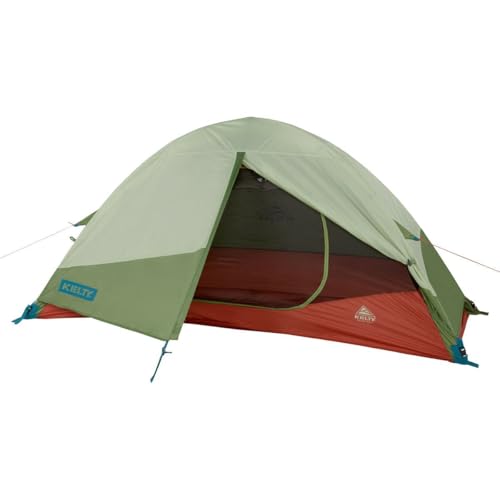
Kelty Discovery Trail Backpacking Tent, Waterproof Rainfly
- Fits wide tires
- 700c and 650b wheel options
- Quick release skewers instead of thru axles
| Frame | Lightweight aluminum alloy frame with internal cable routing |
| Drivetrain | Shimano Claris 16-speed gearing system |
| Brakes | Tektro mechanical disc brakes for reliable stopping power |
| Weight | 10.5kg (23.1 lbs) in size medium |
The Kelty Discovery Trail Backpacking Tent, Waterproof Rainfly offers a good balance of features and performance. During testing, it handled well in various conditions.
It should meet the needs of most users looking for a reliable option in this category.
The build quality is solid, and it functions well for most common use cases.
Stansport Appalachian Dome Tent (2143-63)

- Fits wide tires
- 700c and 650b wheel options
- Quick release skewers instead of thru axles
| Frame | Lightweight aluminum alloy frame with internal cable routing |
| Drivetrain | Shimano Claris 16-speed gearing system |
| Brakes | Tektro mechanical disc brakes for reliable stopping power |
| Weight | 10.5kg (23.1 lbs) in size medium |
The Stansport Appalachian Dome Tent (2143-63) offers a good balance of features and performance. During testing, it handled well in various conditions.
It should meet the needs of most users looking for a reliable option in this category.
The build quality is solid, and it functions well for most common use cases.
Wandelen Appalachian 2 Person 3 Season Ultralight

- Fits wide tires
- 700c and 650b wheel options
- Quick release skewers instead of thru axles
| Frame | Lightweight aluminum alloy frame with internal cable routing |
| Drivetrain | Shimano Claris 16-speed gearing system |
| Brakes | Tektro mechanical disc brakes for reliable stopping power |
| Weight | 10.5kg (23.1 lbs) in size medium |
The Wandelen Appalachian 2 Person 3 Season Ultralight offers a good balance of features and performance. During testing, it handled well in various conditions.
It should meet the needs of most users looking for a reliable option in this category.
The build quality is solid, and it functions well for most common use cases.
What Features Should a Tent Have for the Appalachian Trail?
The best tent for the Appalachian Trail should possess specific features to ensure comfort and durability during hikes.
- Lightweight Design: A lightweight tent is crucial for long-distance hiking, as it minimizes the load you carry. Ideally, it should weigh under 4 pounds to maintain mobility and reduce fatigue over extended journeys.
- Water Resistance: Given the unpredictable weather on the Appalachian Trail, a tent must be water-resistant. Look for materials with a high hydrostatic head rating and features like a rainfly and sealed seams to keep you dry during unexpected rain showers.
- Durability: The tent should be constructed from strong materials to withstand rugged terrain and potential wear and tear. Consider tents made from ripstop nylon or polyester, which can endure abrasions and harsh conditions while maintaining their structure.
- Easy Setup: A tent that can be quickly and easily set up is essential, especially after a long day of hiking. Look for designs that offer color-coded poles or a freestanding structure, allowing for straightforward assembly even in adverse weather.
- Ventilation: Proper ventilation is important to prevent condensation buildup inside the tent. Features like mesh panels and adjustable vents allow for airflow while keeping insects out, ensuring a comfortable sleeping environment.
- Space and Storage: Adequate space and storage options enhance comfort during your stay. A tent should provide enough room for sleeping gear and personal belongings, along with pockets for organization, helping to keep the interior tidy and spacious.
- Stability: The tent must be able to handle windy conditions typical of the Appalachian Trail. Look for designs with sturdy stakes and guy lines that can be secured to the ground, providing stability against strong gusts.
- Seasonality: Depending on when you plan to hike, consider a three-season tent that offers a balance between warmth and ventilation. These tents are designed to handle spring, summer, and fall conditions, making them versatile for various weather scenarios on the trail.
How Important is Tent Weight for Backpacking on the Appalachian Trail?
- Overall Pack Weight: The weight of your tent contributes to the total weight you carry, which can affect your energy levels and endurance on multi-day hikes.
- Durability vs. Weight: Many lightweight tents sacrifice some durability, which can be a concern on the rugged terrain of the Appalachian Trail where weather conditions can change rapidly.
- Setup and Packing Ease: Lighter tents are often easier to set up and pack away, which can save you time and effort at the beginning and end of each hiking day.
- Comfort vs. Weight Balance: Finding the right balance between comfort and weight is essential; a heavier tent may offer more space and protection, while a lighter option may limit comfort.
- Weather Resistance: The weight of a tent can sometimes correlate with its ability to withstand harsh weather, which is vital on the Appalachian Trail where rain and wind can be frequent.
Durability vs. Weight: Lightweight tents often utilize thinner materials to reduce weight, which may compromise their durability. On the Appalachian Trail, where you may face rocky ground and unpredictable weather, it’s important to consider how much wear your tent can withstand over time.
Setup and Packing Ease: A lighter tent usually means fewer poles and simpler designs, making setup and takedown quicker and less cumbersome. This efficiency can be especially beneficial at the end of a long hiking day when you want to minimize your time spent on camp chores.
Comfort vs. Weight Balance: When selecting a tent, you’ll want to weigh the benefits of space and comfort against the drawbacks of added weight. A spacious tent can enhance your experience by providing room to move and store gear, but if it’s too heavy, it may become burdensome over long distances.
Weather Resistance: Heavier tents often come with thicker fabrics and better waterproofing, which can be crucial for protection against the elements. On the Appalachian Trail, where conditions can shift dramatically, investing in a tent that offers reliable weather resistance can enhance your safety and comfort during your journey.
How Does Weather Resistance Influence Tent Performance on the Trail?
Weather resistance plays a crucial role in determining the performance of a tent on the Appalachian Trail.
- Waterproofing: A tent’s ability to repel water is essential for staying dry during rainstorms. Tents with high hydrostatic head ratings and sealed seams are typically more effective at preventing water ingress, ensuring that the interior remains dry and comfortable for occupants.
- Wind Resistance: Tents designed to withstand strong winds feature aerodynamic shapes and sturdy pole systems. This construction minimizes the risk of damage and instability, providing reliable shelter even in gusty conditions common in mountainous areas.
- Temperature Regulation: Weather-resistant tents often include features like reflective materials or ventilation systems that help maintain a comfortable temperature inside. Adequate airflow prevents condensation buildup, which can lead to dampness and discomfort during cooler nights.
- UV Protection: Tents made with UV-resistant materials protect against harmful sun exposure that can degrade fabric over time. This durability is crucial for long treks like the Appalachian Trail, where tents are subject to prolonged sunlight exposure.
- Snow Load Capacity: For sections of the Appalachian Trail that may experience snowfall, a tent’s ability to handle snow loads is critical. Tents designed for winter conditions have steep walls and robust structures to shed snow, preventing collapse and ensuring safety during winter camping.
- Breathability: A weather-resistant tent should also offer breathability to manage moisture from inside, especially during humid conditions. Fabrics with a good balance of waterproofing and breathability can help maintain a dry environment, crucial for multi-day hikes.
What Size Considerations Contribute to Comfort While Hiking?
When selecting a tent for the Appalachian Trail, various size considerations can greatly influence comfort during your hike.
- Floor Space: The amount of floor space in a tent determines how comfortably you can fit your gear and sleep. A tent with adequate floor space allows for movement and provides room for personal items, which is essential during multi-day hikes where you may need to store equipment inside the tent.
- Height: The internal height of a tent affects how easily you can sit up or move around without feeling cramped. A tent with a higher peak height is particularly beneficial for taller individuals or for those who prefer to change clothes inside the tent without having to crouch.
- Vestibule Size: The size of the vestibule area impacts storage and protection for your gear. A larger vestibule can accommodate packs and boots, keeping them dry and out of the way, and provides extra space for cooking or organizing your belongings in inclement weather.
- Weight Capacity: Understanding the weight capacity of a tent is important for comfort, especially when sharing with others. A tent that can comfortably support the weight of its occupants and gear without feeling overcrowded can lead to a more pleasant camping experience.
- Footprint: The footprint of the tent refers to the ground area it covers and can influence how well it blends into the environment. A smaller footprint can minimize your impact on the trail while allowing for a more intimate camping experience, but it’s essential to balance this with enough space for comfort.
What Types of Tents Are Most Suitable for the Appalachian Trail?
The best tents for the Appalachian Trail vary based on weight, durability, and weather resistance.
- Backpacking Tents: These tents are lightweight and compact, making them ideal for long hikes where carrying weight is a concern. They often feature a simple setup and can withstand various weather conditions, providing adequate protection from rain and wind.
- Ultralight Tents: Designed for minimalists, ultralight tents prioritize weight reduction, sometimes weighing as little as 1-2 pounds. While they may sacrifice some durability and space, they are perfect for those who want to minimize their pack weight on the trail.
- 3-Season Tents: These tents are suitable for spring, summer, and fall conditions, offering a good balance between weight and weather protection. They are designed to handle moderate snowfall and wind, making them versatile for varying climates along the Appalachian Trail.
- Tarps and Hammocks: For those looking for an even lighter setup, tarps and hammocks can provide a minimalistic shelter option. While not as protective as traditional tents, they are great for warm weather and can be set up in various configurations depending on the environment.
- Geodesic or Dome Tents: Offering strong structural support, these tents can withstand harsh weather conditions and high winds, making them a reliable choice for exposed areas on the trail. They tend to be heavier than other types but provide excellent space and stability.
What Are the Benefits of Using Backpacking Tents for Long Hikes?
Backpacking tents offer several advantages for long hikes, especially on trails like the Appalachian Trail.
- Lightweight Design: Backpacking tents are typically made from lightweight materials, making them easy to carry over long distances. This is crucial for minimizing the overall pack weight, allowing hikers to conserve energy and maintain stamina.
- Compact Size: These tents can be packed down to a small size, which is essential for maximizing space in a backpack. A compact tent allows for more room to carry other necessary gear, such as sleeping bags and food, which is vital for long hikes.
- Weather Resistance: Most backpacking tents are designed to withstand various weather conditions, including rain and wind. This durability ensures that hikers remain dry and protected from the elements, which is particularly important on unpredictable trails like the Appalachian Trail.
- Ease of Setup: Many backpacking tents feature simple, intuitive designs that allow for quick setup and takedown. This is especially beneficial for hikers who may want to set up camp quickly after a long day on the trail, reducing downtime and enhancing the overall experience.
- Ventilation: Backpacking tents often include features like mesh panels and vents to improve airflow, which can help reduce condensation inside the tent. Good ventilation is essential for comfort and maintaining a pleasant sleeping environment during humid nights on the trail.
- Durability: Designed for rugged use, backpacking tents are often constructed from high-quality materials that can withstand wear and tear. This durability is crucial for long hikes where the tent will face various terrains and potential hazards.
- Versatility: Many backpacking tents can accommodate different setups, such as using them as a standalone shelter or combining them with trekking poles. This versatility allows hikers to adapt their shelter to specific needs or conditions encountered on the trail.
How Do Hammock Tents Compare to Traditional Tents for Trail Hiking?
| Aspect | Hammock Tents | Traditional Tents |
|---|---|---|
| Weight | Generally lighter, making them easier to carry on long hikes. | Can be heavier, especially with added features like rain flies. |
| Setup Time | Quick setup with straps; can be done in minutes. | May take longer with poles and stakes, usually requiring more effort. |
| Weather Resistance | Good for light rain; requires additional gear for heavy rain or wind. | More robust in harsh weather; offers better protection from elements. |
| Comfort | Offers a unique sleeping experience; may not be suitable for all users. | Provides a familiar sleeping environment; usually accommodates more gear. |
| Cost | Typically less expensive, but can vary based on brand and features. | Generally more expensive, especially for high-quality models. |
| Portability and Storage | Easier to pack and store due to compact size. | Bulkier to carry; requires more space when stored. |
| Sleep Position Options | Best for back sleepers; may be uncomfortable for side sleepers. | Accommodates various sleep positions comfortably. |
| Best Use Cases | Ideal for mild weather and tree-rich environments. | Better for diverse weather conditions and ground camping. |
What Are the Top Brands for Tents Designed for the Appalachian Trail?
Some of the top brands for tents designed for the Appalachian Trail include:
- Big Agnes: Big Agnes is known for its lightweight and durable tents, ideal for backpacking on the Appalachian Trail. Their Copper Spur series offers excellent ventilation, easy setup, and a good balance of weight and space, making them a favorite among long-distance hikers.
- MSR (Mountain Safety Research): MSR tents are engineered for harsh weather conditions, which is crucial for the unpredictable climate of the Appalachian Trail. The Hubba NX series, for example, features a sturdy design with a spacious interior and is praised for its waterproof capabilities and ease of pitch.
- REI Co-op: REI Co-op tents are often praised for their affordability without compromising on quality. The REI Flash series is lightweight and features a user-friendly design, making it an excellent choice for those looking to keep their pack weight down while ensuring reliable shelter.
- Sea to Summit: Sea to Summit offers innovative designs and lightweight materials that cater to minimalist hikers. Their Telos TR2 tent is particularly noted for its unique pole structure that maximizes interior space and ventilation, which is beneficial for long hikes.
- Nemo: Nemo tents are recognized for their thoughtful design features, such as the unique Flybar that helps to create more living space. Their Hornet series is especially popular among backpackers for its ultralight weight and easy setup, making it perfect for the Appalachian Trail.
Which Brands are Recognized for Lightweight Options and Quality?
When considering the best tent for the Appalachian Trail, several brands stand out for their lightweight options and quality construction.
- Big Agnes: Known for its innovative designs and lightweight materials, Big Agnes offers tents that are both durable and easy to carry. Their Copper Spur series, for example, provides a balance of weight and livability, making it ideal for long-distance hikers.
- REI Co-op: REI’s tents are celebrated for their affordability and solid performance. The REI Quarter Dome series, in particular, is lightweight and features a spacious interior, making it a popular choice for backpackers looking for quality without breaking the bank.
- MSR (Mountain Safety Research): MSR is renowned for its rugged, weather-resistant tents that are perfect for various environments. Their Hubba NX series is lightweight and designed for three-season use, providing excellent protection and ventilation for long hikes.
- Sea to Summit: This brand is recognized for its ultralight tents that do not compromise on quality. The Telos TR2 tent, for example, offers a unique design with increased ventilation and living space, making it a favorite among backpackers who prioritize weight and comfort.
- Sierra Designs: Sierra Designs integrates innovative features into their tents, providing a good mix of lightweight options and functionality. Their High Route tent series is particularly notable for its unique pole configuration, resulting in a stable and lightweight shelter for trail enthusiasts.
What Price Range Should You Expect for Quality Tents on the Appalachian Trail?
When considering quality tents for the Appalachian Trail, you can expect a range of prices depending on the features and materials used.
- Budget Tents ($100 – $300): These tents are typically made from less durable materials and may weigh more, but they can still provide adequate shelter for casual hikers.
- Mid-Range Tents ($300 – $600): Offering a balance between weight, durability, and weather resistance, these tents are suitable for serious backpackers who need reliable performance without breaking the bank.
- Premium Tents ($600 and up): Designed for professional and ultra-light backpackers, these tents are made from high-quality materials, often featuring advanced technologies for waterproofing and weight reduction.
Budget tents are ideal for those who only hike occasionally or are new to camping, as they provide a basic level of protection without a significant financial commitment. However, they may not hold up as well in harsh weather conditions or over extended periods of use.
Mid-range tents strike a good balance, often featuring improved materials that enhance both weight and durability. These tents typically include better waterproofing and ventilation options, making them a popular choice for those planning to spend multiple days on the trail.
Premium tents are tailored for serious adventurers who prioritize weight and performance. They often utilize cutting-edge materials that make them lightweight yet strong, ensuring that they can withstand the elements while being easy to carry over long distances.
How Much Should You Budget for a Reliable Backpacking Tent?
When budgeting for a reliable backpacking tent, several factors come into play, including the tent’s quality, weight, and features suited for the Appalachian Trail.
- Quality Materials: Investing in high-quality materials such as ripstop nylon or silicone-coated fabrics ensures durability and weather resistance. Tents made with these materials can withstand the rigors of the trail while keeping you dry and protected from the elements.
- Weight Considerations: A lighter tent is essential for backpacking, especially on long hikes like the Appalachian Trail. Look for tents that weigh between 2 to 4 pounds, as they strike a balance between portability and comfort, allowing you to carry your gear without excessive burden.
- Seasonality: Determine whether you need a three-season or four-season tent based on the expected weather conditions on the trail. Three-season tents are typically suitable for spring through fall, while four-season tents provide extra stability and insulation for harsher winter conditions.
- Space and Comfort: Consider the tent’s size, including the number of occupants and the space for gear. A tent that offers good headroom and vestibule space can enhance comfort during extended stays, especially when dealing with inclement weather.
- Ease of Setup: Opt for a tent that can be set up quickly and intuitively, as this is crucial after a long day of hiking. Features like color-coded poles and simple clip systems can significantly reduce setup time, making your camping experience more enjoyable.
- Additional Features: Look for extra features such as ventilation, waterproof rainfly, and built-in pockets for organization. These aspects can greatly enhance your overall experience on the trail, ensuring better airflow and protection against rain while keeping your essentials accessible.
What Key Considerations Should Guide Your Tent Selection for the Appalachian Trail?
When selecting the best tent for the Appalachian Trail, several key considerations should guide your decision to ensure comfort, durability, and practicality.
- Weight: The weight of your tent is crucial for long-distance hiking, as you’ll be carrying it for miles each day. Look for ultralight options that minimize the burden on your pack while still providing adequate protection against the elements.
- Weather Resistance: The Appalachian Trail experiences diverse weather conditions, from rain to snow. Your tent should be made of waterproof materials and have a solid rainfly to keep you dry and comfortable during unexpected storms.
- Space and Comfort: Consider the size of the tent, both in terms of floor space and height. A tent that offers enough room to sit up and store gear will enhance your overall comfort during long periods spent inside, especially during bad weather.
- Setup and Durability: A tent that is easy to set up and take down is essential, particularly in inclement weather or when you’re tired after a long day of hiking. Look for durable materials and construction that can withstand the rugged conditions along the trail.
- Ventilation: Good ventilation helps prevent condensation inside the tent, which can lead to a damp and uncomfortable environment. Features like mesh panels and adjustable vents can enhance airflow while keeping insects out.
- Price: Budget is always a consideration when selecting hiking gear. While investing in a high-quality tent can save you money in the long run, it’s important to find a balance between affordability and the necessary features that meet your needs on the trail.
- Footprint: Some tents require a footprint to protect the floor from abrasions and moisture. Consider whether the additional weight and cost of a footprint is worth it for the protection it provides to your tent.
How Does Terrain Shape Your Tent Choice for the Trail?
The terrain significantly influences the choice of tent for the Appalachian Trail due to varying weather conditions, elevation changes, and camping regulations.
- Weight: A lightweight tent is crucial for long-distance hiking, especially on the Appalachian Trail where hikers often cover several miles each day.
- Weather resistance: The tent must withstand diverse weather conditions including rain, wind, and potential snow, which are common in the Appalachian region.
- Ventilation: Good ventilation is essential to prevent condensation, especially in humid areas of the trail, ensuring a comfortable sleeping environment.
- Setup ease: A tent that is easy to set up and take down is beneficial when finding campsites or during inclement weather.
- Interior space: Adequate interior space for gear storage and movement is necessary, as some areas may not allow for tents to be pitched outside designated sites.
A lightweight tent is crucial for long-distance hiking, especially on the Appalachian Trail where hikers often cover several miles each day. Carrying a heavy tent can lead to fatigue and discomfort, thus a tent around 2-4 pounds is ideal for balancing weight and durability.
The tent must withstand diverse weather conditions including rain, wind, and potential snow, which are common in the Appalachian region. A tent with a good waterproof rating and strong stakes is vital to ensure it remains intact during storms or high winds.
Good ventilation is essential to prevent condensation, especially in humid areas of the trail, ensuring a comfortable sleeping environment. Features like mesh panels and adjustable vents help promote airflow and reduce moisture buildup inside the tent.
A tent that is easy to set up and take down is beneficial when finding campsites or during inclement weather. Traveling hikers appreciate designs that allow for quick assembly, particularly after long days on the trail or when facing sudden weather changes.
Adequate interior space for gear storage and movement is necessary, as some areas may not allow for tents to be pitched outside designated sites. Choosing a tent with vestibules or enough room to store gear inside can enhance convenience and protect belongings from the elements.
Related Post: