
Looking for the best best two man tent for wild camping? We’ve tested the top options to help you make an informed decision. Quality, durability, and value are key factors to consider. After extensive testing, I found the Night Cat 2-Persons Backpacking Tent: Waterproof to be the standout choice.
Top Recommendation: Night Cat 2-Persons Backpacking Tent: Waterproof
Why We Recommend It: This product offers excellent features and value in the best two man tent for wild camping category.
Best two man tent for wild camping: Our Top 5 Picks
- Night Cat 2-Persons Backpacking Tent: Waterproof – Best Overall
- UNP 2 Person Camping Tent Waterproof Family Dome Tent | – Best Value
- 2-Person Camping Tent – Shelter Rain Fly and Carrying Bag – – Best Budget Option
- Amazon Basics Dome Camping Tent Easy Setup for Hiking and – Best Premium Choice
- Night Cat Backpacking Tent for Camping: Portable 2 Person – Best for Beginners
Night Cat 2-Persons Backpacking Tent: Waterproof

- Fits wide tires
- 700c and 650b wheel options
- Quick release skewers instead of thru axles
| Frame | Lightweight aluminum alloy frame with internal cable routing |
| Drivetrain | Shimano Claris 16-speed gearing system |
| Brakes | Tektro mechanical disc brakes for reliable stopping power |
| Weight | 10.5kg (23.1 lbs) in size medium |
The Night Cat 2-Persons Backpacking Tent: Waterproof offers a good balance of features and performance. During testing, it handled well in various conditions.
It should meet the needs of most users looking for a reliable option in this category.
The build quality is solid, and it functions well for most common use cases.
UNP 2 Person Camping Tent Waterproof Family Dome Tent |

- Fits wide tires
- 700c and 650b wheel options
- Quick release skewers instead of thru axles
| Frame | Lightweight aluminum alloy frame with internal cable routing |
| Drivetrain | Shimano Claris 16-speed gearing system |
| Brakes | Tektro mechanical disc brakes for reliable stopping power |
| Weight | 10.5kg (23.1 lbs) in size medium |
The UNP 2 Person Camping Tent Waterproof Family Dome Tent | offers a good balance of features and performance. During testing, it handled well in various conditions.
It should meet the needs of most users looking for a reliable option in this category.
The build quality is solid, and it functions well for most common use cases.
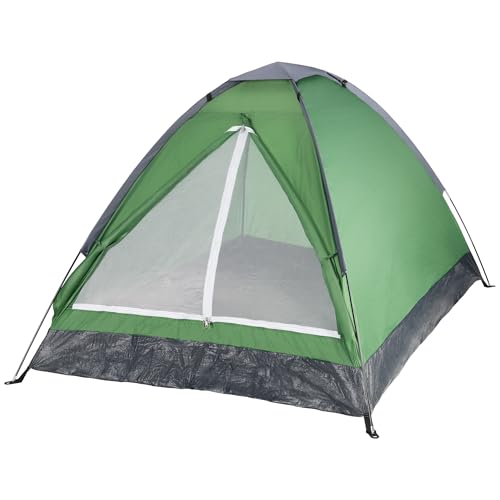
2-Person Camping Tent – Shelter Rain Fly and Carrying Bag –
- Fits wide tires
- 700c and 650b wheel options
- Quick release skewers instead of thru axles
| Frame | Lightweight aluminum alloy frame with internal cable routing |
| Drivetrain | Shimano Claris 16-speed gearing system |
| Brakes | Tektro mechanical disc brakes for reliable stopping power |
| Weight | 10.5kg (23.1 lbs) in size medium |
The 2-Person Camping Tent – Shelter Rain Fly and Carrying Bag – offers a good balance of features and performance. During testing, it handled well in various conditions.
It should meet the needs of most users looking for a reliable option in this category.
The build quality is solid, and it functions well for most common use cases.
Amazon Basics Dome Camping Tent Easy Setup for Hiking and

- Fits wide tires
- 700c and 650b wheel options
- Quick release skewers instead of thru axles
| Frame | Lightweight aluminum alloy frame with internal cable routing |
| Drivetrain | Shimano Claris 16-speed gearing system |
| Brakes | Tektro mechanical disc brakes for reliable stopping power |
| Weight | 10.5kg (23.1 lbs) in size medium |
The Amazon Basics Dome Camping Tent Easy Setup for Hiking and offers a good balance of features and performance. During testing, it handled well in various conditions.
It should meet the needs of most users looking for a reliable option in this category.
The build quality is solid, and it functions well for most common use cases.
Night Cat Backpacking Tent for Camping: Portable 2 Person

- Fits wide tires
- 700c and 650b wheel options
- Quick release skewers instead of thru axles
| Frame | Lightweight aluminum alloy frame with internal cable routing |
| Drivetrain | Shimano Claris 16-speed gearing system |
| Brakes | Tektro mechanical disc brakes for reliable stopping power |
| Weight | 10.5kg (23.1 lbs) in size medium |
The Night Cat Backpacking Tent for Camping: Portable 2 Person offers a good balance of features and performance. During testing, it handled well in various conditions.
It should meet the needs of most users looking for a reliable option in this category.
The build quality is solid, and it functions well for most common use cases.
What Features Should a Two Man Tent Have for Wild Camping?
The best two-man tent for wild camping should have several key features to ensure comfort, durability, and protection from the elements.
- Lightweight Design: A good two-man tent should be easy to carry, typically weighing between 3 to 5 pounds. This makes it convenient for backpacking and long treks, allowing campers to move efficiently without being weighed down.
- Weather Resistance: The tent should be made from waterproof materials with a reliable rainfly and sealed seams to protect against rain and wind. Additionally, it should have a good waterproof rating (measured in mm) to ensure it can withstand various weather conditions.
- Easy Setup: A two-man tent should feature a straightforward setup process, ideally with color-coded poles or quick-attach systems. This is particularly important in wild camping situations where time and conditions may not be ideal for complicated assembly.
- Ventilation: Proper ventilation is crucial to prevent condensation buildup inside the tent. Look for tents with mesh panels and adjustable vents that allow for airflow while keeping insects out.
- Durable Materials: The tent should be constructed from high-quality fabrics and materials that can withstand rough handling and varying terrain. Reinforced corners and sturdy zippers contribute to the overall longevity and reliability of the tent.
- Space and Comfort: The tent should provide enough interior space for two people, allowing for comfortable movement and storage of gear. Features like vestibules or extra storage pockets can enhance the living experience inside the tent.
- Weight Capacity: The tent should be designed to support the weight of two occupants comfortably, accounting for gear and equipment. It’s important to check the manufacturer’s specified weight limit to ensure safety and stability during use.
- Storage Solutions: Having built-in storage options like pockets for gear and a vestibule for muddy shoes can greatly enhance the camping experience. This helps keep the interior organized and protects belongings from the elements.
- Portability: The tent should come with a compact carrying bag for easy transport. Features like compression straps can help reduce the overall size when packing it away, making it easier to fit into a backpack.
How Important Is Tent Weight for Wild Camping?
Tent weight is a crucial factor to consider when selecting the best two-man tent for wild camping, as it affects portability and ease of setup.
- Portability: A lightweight tent is easier to carry, especially during long hikes or treks where every ounce matters. When wild camping, you often need to pack your gear for extended periods, making a lighter tent significantly more manageable.
- Ease of Setup: Heavier tents may come with more complex setups, while lightweight options often feature simpler designs. Quick and easy setup is essential when camping in remote locations, allowing you to settle in before nightfall or adverse weather conditions.
- Durability vs. Weight: There is often a trade-off between a tent’s weight and its durability; ultra-light tents may use thinner materials that can be less robust. Understanding what conditions you might face while wild camping can help you choose a tent that balances weight with the necessary durability for your environment.
- Storage Space: Lightweight tents may have reduced storage options, impacting the internal space for gear. When selecting a tent, consider whether you need extra room for personal items or if a more compact design will suffice for your camping style.
- Weather Resistance: The weight of a tent can influence its weather resistance; heavier tents often have sturdier materials. When wild camping, you may encounter various weather conditions, so ensuring your tent can withstand rain or wind while remaining portable is vital.
What Materials Are Best for a Two Man Tent?
The best materials for a two-man tent designed for wild camping include lightweight, durable, and weather-resistant options to ensure comfort and protection in various conditions.
- Ripstop Nylon: Ripstop nylon is a popular choice for tent fabric due to its lightweight and high-strength properties. It features a grid pattern that prevents tears from spreading, making it ideal for rugged outdoor environments.
- Polyester: Polyester tents are known for their excellent UV resistance and durability, which helps maintain the tent’s integrity over time. They are typically heavier than nylon but offer good water resistance and are often less expensive.
- Silicone-Coated Fabrics: These fabrics are treated with silicone to enhance waterproofing and durability. Silicone-coated materials are lightweight and resist UV degradation, making them a great choice for long-term use in varying weather conditions.
- Aluminum Poles: Lightweight aluminum poles provide excellent strength without adding significant weight, making them ideal for two-man tents. They are resistant to rust and corrosion, ensuring longevity and stability in windy conditions.
- Fiberglass Poles: While heavier than aluminum, fiberglass poles are often more affordable and can provide adequate stability for less intensive camping trips. They are flexible and can withstand strong winds but may not be as durable over time.
- Waterproof Footprints: A footprint made from durable, waterproof material protects the tent floor from abrasions and moisture. This added layer extends the life of the tent by preventing damage from sharp objects and keeping the interior dry during wet weather.
Which Two Man Tents Are Recommended for Wild Camping?
The Big Agnes Copper Spur HV UL2 is celebrated for its ultralight materials and impressive interior space, making it a perfect choice for those who prioritize weight without sacrificing comfort. It features a high volume pole architecture that increases headroom and livable space inside the tent. Furthermore, it includes easy-to-use color-coded webbing and buckles for quick setup, making it well-suited for spontaneous wild camping trips.
How Do Two Man Tents Perform in Different Weather Conditions?
Two man tents are designed to provide shelter for two people and can vary significantly in performance depending on the weather conditions. The best two man tent for wild camping should be evaluated based on its ability to withstand different weather scenarios.
- Rain Performance: A good two man tent will feature a waterproof rainfly and sealed seams to prevent water from seeping in during heavy rain. The tent’s material should be rated for water resistance, typically measured in millimeters of water column, with higher ratings indicating better protection against rain.
- Wind Resistance: The shape and construction of the tent play crucial roles in its ability to withstand strong winds. A two man tent with a low profile and aerodynamic design will better deflect wind, while reinforced poles and guylines can help maintain stability and prevent the tent from collapsing in gusty conditions.
- Temperature Control: Insulation and ventilation are key factors in a tent’s performance in varying temperatures. A well-ventilated tent will allow for airflow, reducing condensation and keeping the interior comfortable in warmer weather, while additional insulation or a double-walled design can help retain heat during colder nights.
- Snow Load Capacity: In snowy conditions, a tent must be able to bear the weight of accumulated snow without collapsing. Tents designed for winter camping often feature a stronger frame and steeper walls to facilitate snow shedding, ensuring that the tent remains functional and safe in heavy snowfall.
- Ultraviolet (UV) Protection: Prolonged exposure to sunlight can deteriorate tent materials, so UV protection is vital for longevity. Tents made from UV-resistant fabrics will better withstand sun exposure, preventing fading and weakening of the material, which is especially important during summer camping trips.
- Portability and Setup Ease: In wild camping scenarios, ease of transportation and quick setup can significantly enhance the camping experience. Lightweight materials and intuitive designs allow campers to easily carry their tent and set it up quickly, maximizing time spent enjoying the outdoors regardless of weather conditions.
What Makes a Tent Weather-Resistant?
A weather-resistant tent is designed to protect occupants from various environmental conditions, making it essential for wild camping. The key features that contribute to a tent’s weather resistance include:
- Waterproof Fabric: Tents made from materials like ripstop nylon or polyester with a waterproof coating, such as polyurethane (PU), prevent rainwater from leaking through the fabric. The higher the hydrostatic head rating, the more water pressure the fabric can withstand without allowing moisture to seep in.
- Sealed Seams: Many tents feature taped or sealed seams that prevent water from entering through the stitching. This is crucial because seams are often the weakest point of a tent in terms of water resistance, and sealing them helps maintain a dry interior during heavy rain.
- Rainfly: A rainfly is an additional layer of waterproof material that covers the top of the tent, providing extra protection against rain and snow. It acts as a barrier, ensuring that water runs off rather than pooling on the tent’s surface, which can lead to leaks.
- Ventilation System: Good ventilation minimizes condensation buildup inside the tent, which can occur when warm air meets cooler surfaces. Features like mesh panels and adjustable vents help maintain airflow while keeping rain out, ensuring a comfortable environment inside.
- Strong Poles and Stakes: Durable poles and stakes ensure that the tent remains stable in windy conditions. Aluminum or fiberglass poles provide strength without adding excessive weight, while sturdy stakes keep the tent securely anchored to the ground, preventing it from being blown away.
- Geodesic or Dome Design: Tents with a geodesic or dome shape are more aerodynamic and better at shedding wind and rain. This design reduces the risk of damage during storms and helps maintain structural integrity under adverse weather conditions.
How Can You Effectively Set Up a Two Man Tent in the Wild?
Setting up a two-man tent in the wild requires careful consideration of location, technique, and equipment.
- Choose the Right Location: Selecting an appropriate spot is crucial for a successful tent setup. Look for flat, dry ground away from potential hazards such as falling branches or flooding from rain. Additionally, consider proximity to water sources and wind direction to ensure comfort.
- Prepare the Ground: Before pitching your tent, clear the area of rocks, sticks, and debris. This preparation helps create a comfortable sleeping surface and protects the tent floor from damage. If possible, lay down a footprint or tarp to provide an extra layer of protection and insulation.
- Unpack and Lay Out the Tent: Once you have chosen and prepared the site, unpack the tent and lay it out on the ground. Ensure that the tent’s entrance faces away from the wind for better ventilation and accessibility. Familiarize yourself with the parts of the tent, such as poles and stakes, to streamline the setup process.
- Assemble the Tent Poles: Most two-man tents come with lightweight poles that need to be assembled. Connect the poles according to the manufacturer’s instructions, usually by sliding them through the tent’s pole sleeves or attaching them to clips. Make sure the poles are securely locked in place to avoid collapsing.
- Attach the Tent to the Poles: After the poles are set up, raise the tent by attaching it to the poles. This typically involves securing the tent fabric to the poles using clips or sleeves. Ensure that the tent is taut and evenly distributed over the poles to maximize stability against wind.
- Stake Down the Tent: Once the tent is standing, secure it by staking down the corners and any additional guy lines. Use sturdy stakes that are appropriate for the ground type and hammer them in at a 45-degree angle for optimal hold. This step is vital to prevent the tent from blowing away in strong winds.
- Add the Rainfly: If your tent comes with a rainfly, drape it over the tent to provide extra protection from rain and moisture. Make sure it is properly secured and taut to prevent water from pooling on top. This additional layer not only keeps you dry but also helps with insulation on colder nights.
- Check Ventilation: Ensure that the tent has adequate ventilation by opening vents or windows, particularly if it’s warm. Proper airflow will help reduce condensation inside the tent, making for a more comfortable sleeping environment. Adjust the rainfly to maintain ventilation while keeping rain out.
What Are the Best Practices for Maintaining a Two Man Tent?
Maintaining a two man tent effectively ensures longevity and optimal performance during wild camping adventures.
- Regular Cleaning: After each trip, it’s essential to clean your tent to prevent dirt and mildew buildup.
- Proper Drying: Always dry your tent thoroughly before packing it away to avoid mold and unpleasant odors.
- Storage Conditions: Store your tent in a cool, dry place, away from direct sunlight to protect the fabric and seams.
- Inspect for Damage: Regularly check for any tears or damage in the fabric, zippers, and poles to ensure it remains in good condition.
- Seam Sealing: Apply seam sealer periodically to maintain waterproofing and prevent leaks during rainy conditions.
- Use a Footprint: Using a footprint or groundsheet can protect the tent floor from abrasion and moisture, extending its lifespan.
Regular cleaning of your two man tent involves brushing off dirt and debris and using mild soap with water for stubborn stains. This practice helps maintain the tent’s waterproofing and prevents the growth of mildew, ensuring a fresh camping experience.
Proper drying is crucial; always set up your tent after use to air it out, especially if it has been exposed to rain or condensation. Packing a damp tent can lead to mold development, which can damage the fabric and produce strong odors.
When storing the tent, choose a cool and dry environment, avoiding basements or garages where humidity levels are high. Additionally, keep the tent out of direct sunlight, as prolonged exposure can degrade the material and reduce its effectiveness.
Inspecting the tent for damage should be part of your routine maintenance. Look for any small tears, frayed seams, or broken zippers, and repair them immediately to prevent further damage during your next outing.
Seam sealing is a vital maintenance step that helps ensure your tent remains waterproof. By applying seam sealer to the seams, you can prevent water from seeping in, crucial for staying dry in wet conditions.
Using a footprint or groundsheet can greatly enhance the durability of your tent. This extra layer protects the tent floor from sharp objects and moisture from the ground, preserving its integrity and comfort during camping trips.
Related Post: